Washington Imposes Sanctions on International Criminal Court Personnel Following Gaza Arrest Warrants
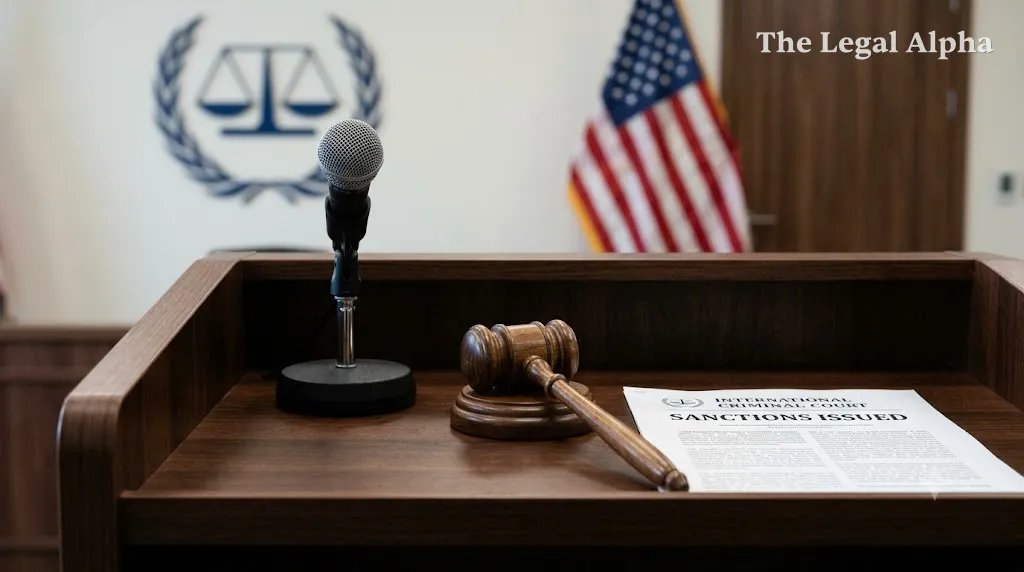
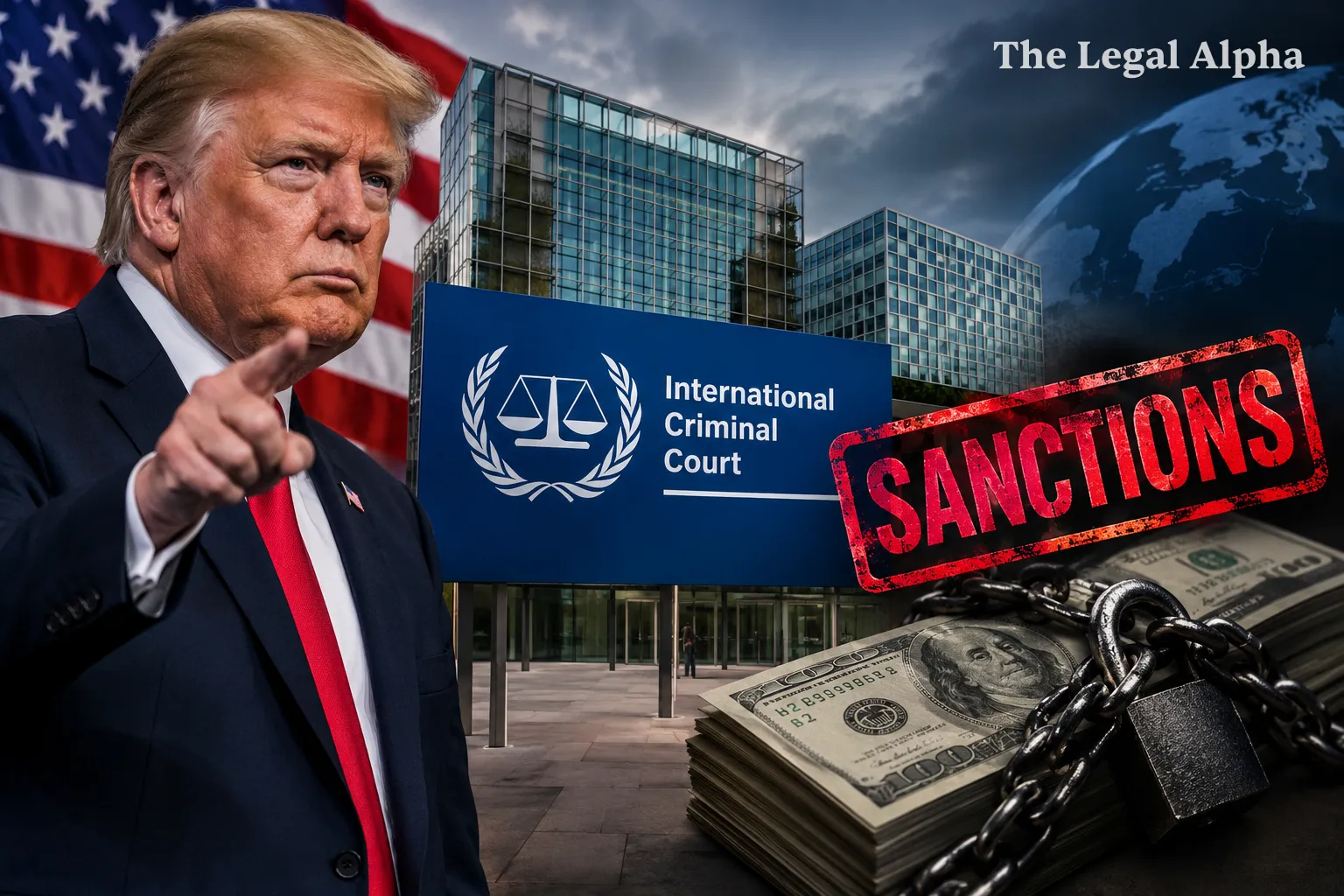
The United States government announced punitive economic and travel sanctions targeting officials and staff of the International Criminal Court (ICC). The executive action came shortly after the tribunal moved forward with investigations and arrest warrant proceedings involving senior leadership implicated in the ongoing conflict in Gaza, as well as longstanding friction over inquiries into U.S. personnel in Afghanistan. The timing coincided with global attention on international legal institutions, underscoring sharp diplomatic and jurisdictional clashes between non-member sovereign states and treaty-based international tribunals.
Legal Topic
Area of Law: Public International Law
Sub-topic: Sovereign Immunity / International Criminal Jurisdiction / Extraterritorial Sanctions
Core Legal Issue
The controversy centres on the jurisdictional reach of the ICC under the Rome Statute over nationals of non-State Parties. The primary legal dispute is whether treaty-established tribunals have legitimate authority to assert criminal jurisdiction over citizens of countries that have neither signed nor ratified the founding treaty, and whether a sovereign state may lawfully deploy domestic sanctions regimes to impede international legal proceedings.
What Did the Court / Authority Decide?
The executive branch of the United States issued financial restrictions and visa revocations aimed at obstructing ICC prosecutors, judges, and associated personnel from conducting investigations involving U.S. or allied nationals without sovereign consent. In response, the ICC reaffirmed its independence, maintaining that its judicial mandate derives from state referrals and territorial jurisdiction recognised under its governing treaty, and that bilateral domestic actions cannot legally extinguish international statutory obligations.
Key Legal Points
-
Territorial Jurisdiction vs. Nationality Jurisdiction: The ICC operates on the principle that it holds jurisdiction over crimes committed on the territory of a State Party (or an entity accepted as such), regardless of the nationality of the perpetrator.
-
Non-Party Sovereignty: Non-member states argue that exercising criminal jurisdiction over their officials without consent violates established principles of customary international law and treaty law under the Vienna Convention on the Law of Treaties.
-
Domestic Sanctions Powers: The U.S. measures deploy domestic executive authorities to impose property freezes and travel bans on international civil servants, framing tribunal actions as an infringement on national security and sovereign prerogative.
-
Judicial Independence: The measures raise procedural and institutional challenges regarding whether unilateral economic coercion violates international norms protecting the functional immunity and independence of judicial bodies.
Relevant Law
-
Rome Statute of the International Criminal Court: Article 12 (Preconditions to the Exercise of Jurisdiction) and Article 27 (Irrelevance of Official Capacity).
-
Vienna Convention on the Law of Treaties (1969): Article 34 (General rule regarding third States, establishing that treaties do not create obligations or rights for third States without their consent).
-
International Emergency Economic Powers Act (IEEPA): Domestic statutory basis frequently used by the U.S. Executive to enact blocking sanctions and travel prohibitions.
Arguments of the Parties
United States Government
The U.S. administration asserted that the ICC lacks both territorial and personal jurisdiction over nationals of non-member sovereign states that have not consented to its authority. It contended that the court’s actions represent an overreach that politicises international justice and compromises the national sovereignty and constitutional protections of targeted officials.
International Criminal Court & Supporting Member States
The ICC and member state representatives submitted that the court’s mandate is strictly complementary and legally founded upon crimes committed within territories where jurisdiction was validly lodged. They argued that unilateral state sanctions represent direct interference with an independent judicial organ and undermine the global rule of law and international accountability mechanisms.
Why Does It Matter?
This development highlights the structural fragility of international tribunals when enforcing mandates against major non-party states. The use of domestic economic levers against international judicial personnel creates a contentious precedent that could deter investigators, complicate cooperative evidence gathering, and divide treaty signatories. It also signals that sovereign states with significant financial and geopolitical power will continue to assert extraterritorial legal barriers to insulate their citizens from international criminal proceedings.
Legal Takeaway
Treaty-based international courts derive their authority strictly from sovereign consent or United Nations Security Council referrals. When a non-member state faces proceedings under territorial jurisdiction provisions, the friction between domestic sovereign immunity and universal international accountability typically results in jurisdictional deadlock enforced through domestic sanctions.
Sources
Primary Source:
Rome Statute of the International Criminal Court (Articles 12, 27, and 34); Official Executive Orders and State Department statements on International Criminal Court sanctions.
Additional Sources:
Vienna Convention on the Law of Treaties (1969); Deccan Chronicle reporting on U.S. diplomatic actions regarding international tribunals.