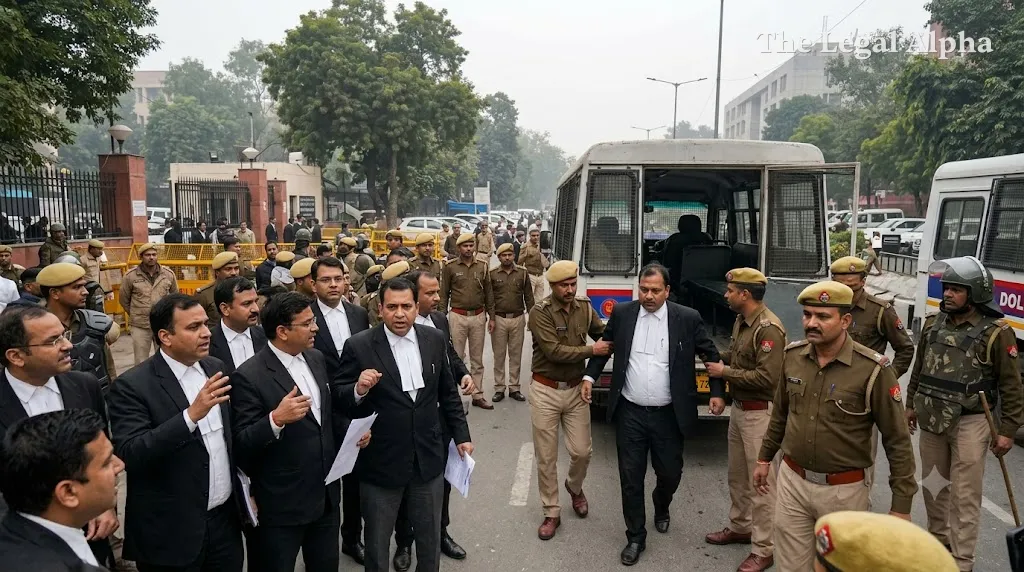
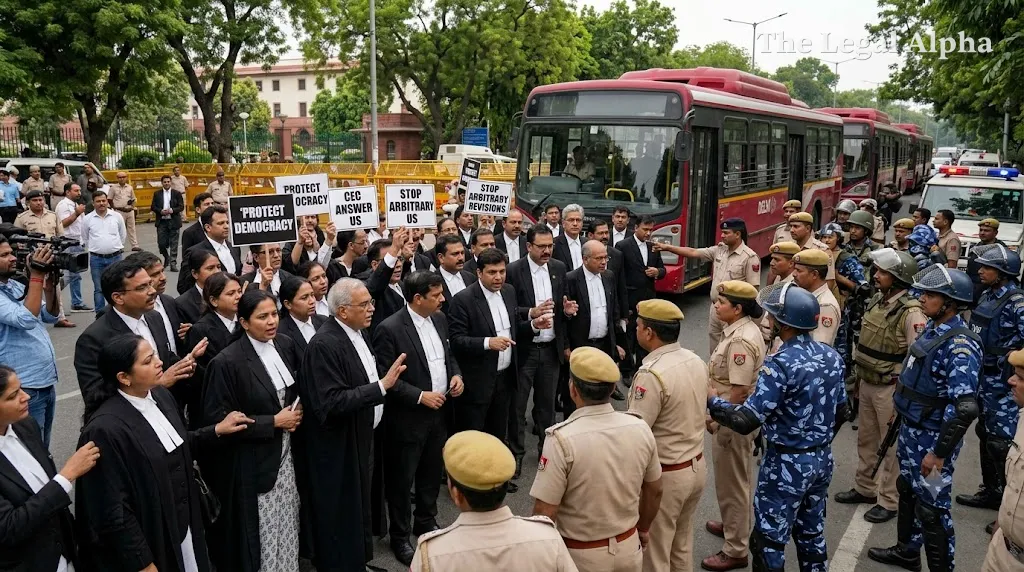
Pre-Emptive Curbs Under Scrutiny as Police Detain Lawyers Ahead of Jantar Mantar Demonstration
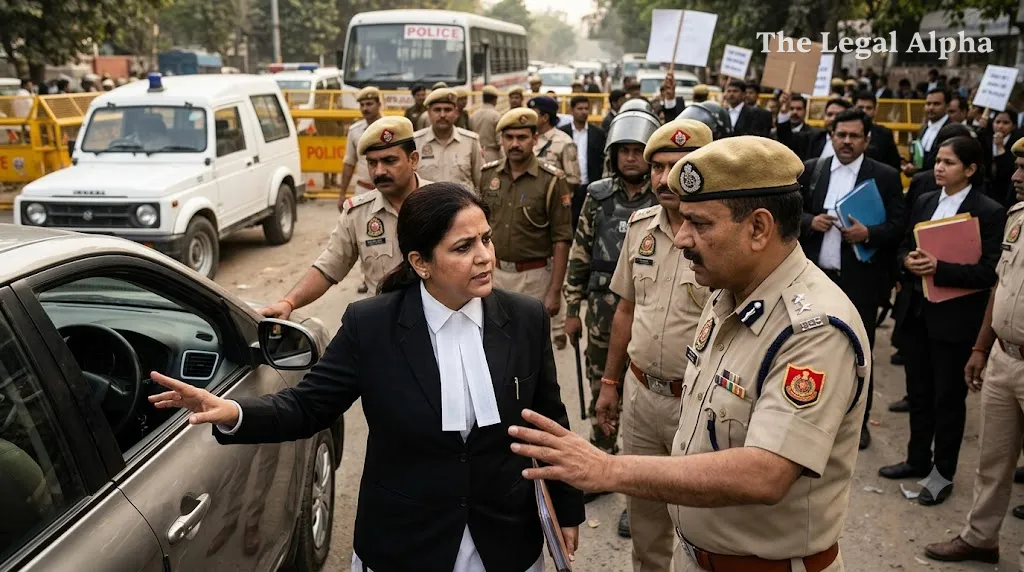
Delhi Police intercepted and detained Ratna Singh, head of the Cockroach Janta Party's legal team, outside her residence on Saturday morning. Officers prevented her vehicle from leaving as she prepared to join a gathering of lawyers intending to assemble near the Supreme Court before marching to Jantar Mantar.
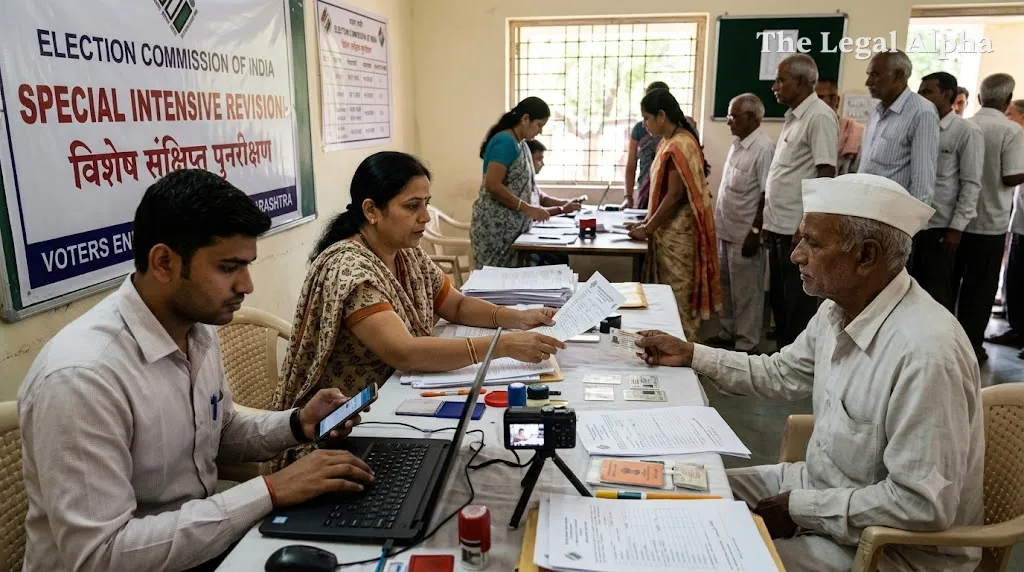
The action was part of a broader security sweep by law enforcement to preempt demonstrations opposing Chief Election Commissioner Gyanesh Kumar and the Election Commission's Special Intensive Revision of electoral rolls. Singh stated that police officers cited unwritten executive directives, declined to furnish a written warrant or formal detention order, and restricted her liberty at her home. In response, legal counsel representing her confirmed plans to move an application before the Chief Metropolitan Magistrate to challenge the restraint as unlawful custodial detention.
Legal Topic
Area of Law: Constitutional and Criminal Procedure Law
Sub-topic: Preventive Custody / Fundamental Rights to Personal Liberty and Assembly
Core Legal Issue
The controversy turns on whether law enforcement agencies can execute de facto preventive detentions by physically confining individuals to their homes or vehicles based solely on informal executive directives, without producing a statutory order or formal grounds under the Code of Criminal Procedure / Bharatiya Nagarik Suraksha Sanhita.
At stake is the constitutional balance between the State’s authority to maintain public order and an individual's fundamental freedoms of movement, assembly, and personal liberty under Articles 19 and 21 of the Constitution.
What Did the Authority Decide?
The Delhi Police initiated preventive security measures across the capital, restricting key organizers and legal representatives from reaching demonstration venues.
No formal court ruling has been issued yet. The detained legal representatives have announced immediate legal recourse before the jurisdictional Chief Metropolitan Magistrate to contest the validity of the restraint and secure unconditional release.
Key Legal Points
-
Preventive restraints without written statutory orders or formal communication of grounds contravene mandatory arrest and detention procedures.
-
The requirement for written justification remains a prerequisite under constitutional safeguards against arbitrary State detention.
-
Physical confinement without a formal arrest record or statutory sanction amounts to de facto wrongful confinement under criminal law.
-
Restraints applied to small groups not constituting an unlawful assembly challenge the statutory justification often claimed under general preventive provisions.
Relevant Law
-
Article 19(1)(a), (b), and (d) of the Constitution of India (Freedoms of speech, peaceful assembly without arms, and movement)
-
Article 21 and Article 22(1) of the Constitution of India (Protection of personal liberty and the mandatory right to be informed of the grounds of detention)
-
Sections 149 and 151 of the Code of Criminal Procedure, 1973 / Corresponding Sections 168 and 170 of the Bharatiya Nagarik Suraksha Sanhita, 2023 (Police powers to prevent cognizable offences and conditions governing preventive arrest)
-
Section 340 of the Indian Penal Code / Section 127 of the Bharatiya Nyaya Sanhita (Wrongful confinement)
-
D.K. Basu v. State of West Bengal (Supreme Court guidelines governing arrest, memo preparation, and informing detenu of legal grounds)
Arguments of the Parties
Aggrieved Detenu
The legal team argued that the restraint is entirely illegal because law enforcement failed to produce any warrant, statutory notice, or formal grounds of arrest. They contended that confining an individual inside a vehicle or residence on vague "verbal orders" violates procedural safeguards. They also maintained that peaceful intent to protest cannot trigger preventive custody where no cognizable offence has occurred or been attempted.
Law Enforcement / State
The police maintained that preventive deployment and movement curbs were necessary to preserve law and order in the national capital. Authorities relied on administrative assessments to prevent potential public disruption and unauthorized assemblies in sensitive, high-security zones.
Why Does It Matter?
The practice of informally confining activists, lawyers, and political representatives to their houses ahead of demonstrations bypasses traditional judicial review mechanisms. When police do not record a formal arrest, detenus are often left without immediate remand hearings or statutory bail applications, effectively neutralizing their right to assemble without procedural accountability. The proposed challenge before the Magistrate will spotlight whether informal "house confinements" can pass constitutional scrutiny or constitute actionable wrongful confinement by public servants.
Legal Takeaway
Preventive restraint must strictly adhere to statutory and constitutional requirements, including the formal recording and communication of lawful grounds. Restricting a citizen's movement based on verbal administrative instructions lacks legal authority and is open to immediate judicial challenge as arbitrary confinement.
Sources
Primary Source:
-
Legal application and submissions slated before the Chief Metropolitan Magistrate, New Delhi, regarding the detention of Ratna Singh.
Additional Sources:
-
Delhi Police administrative notifications and deployment advisories for Central Delhi.
-
Public statements and legal notices issued by the Cockroach Janta Party legal team.