Supreme Court Bar Association Calls on Chief Justice of India to Intervene After Police Detain Protesting Advocates in New Delhi
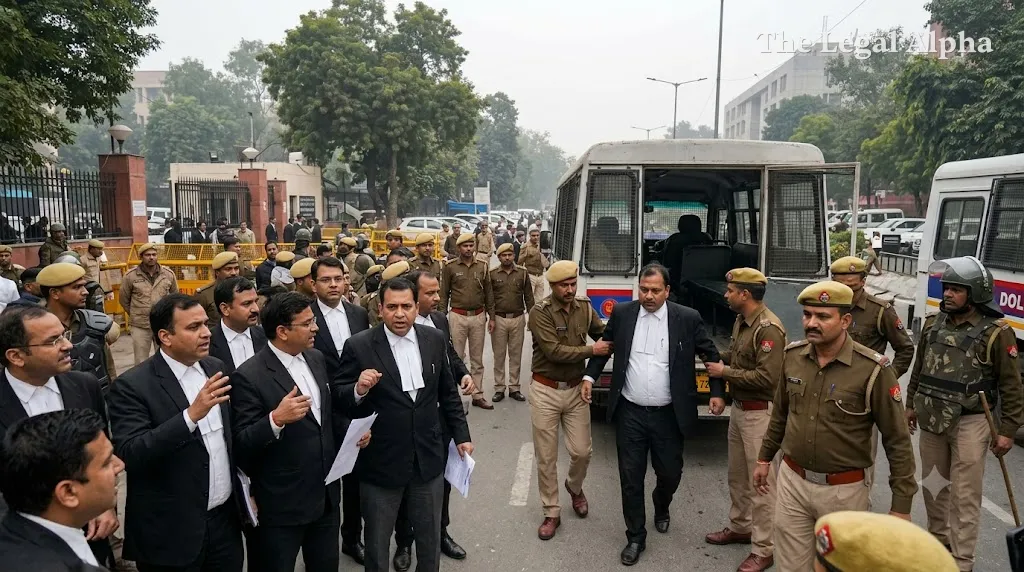
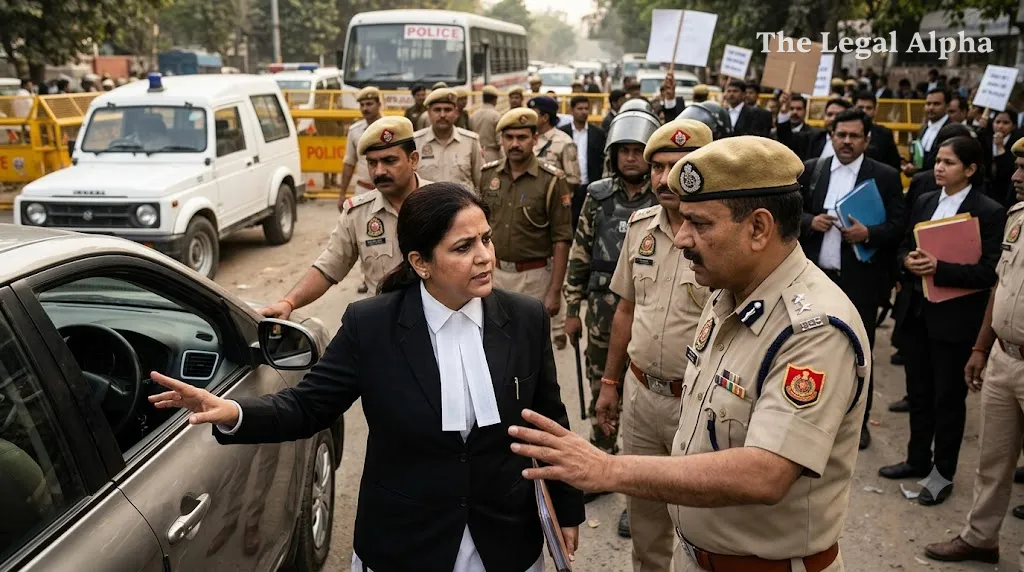
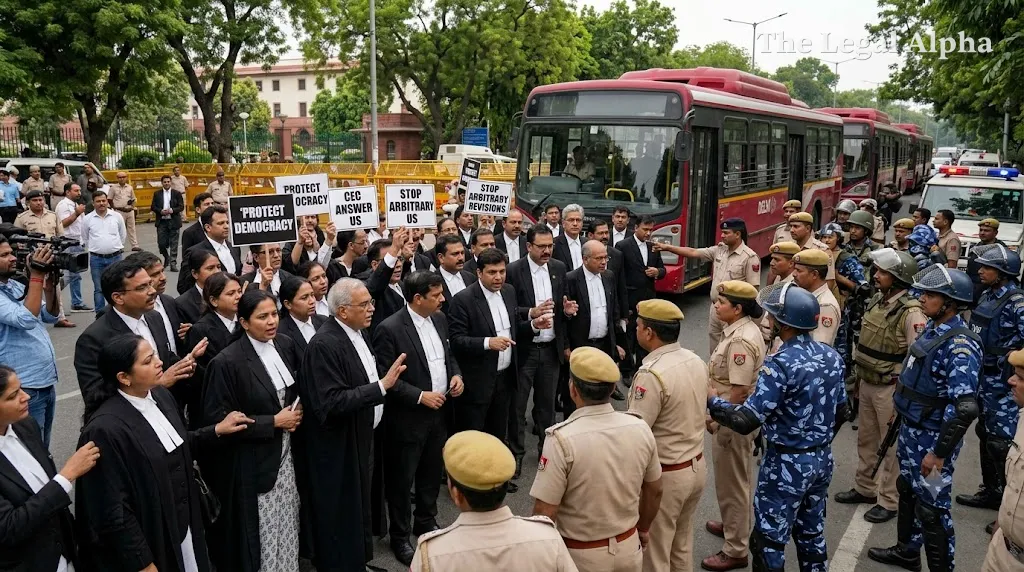
The Supreme Court Bar Association (SCBA) has stepped in following the preventive detention of several advocates by Delhi Police personnel near the Supreme Court premises and lawyers' chamber blocks. The detentions took place amid heavy security deployment and curbs placed across parts of the national capital. After reports emerged that multiple practitioners, including Advocates-on-Record, were picked up in police vehicles without clarity on their destination or explicit formal charges, the SCBA passed an urgent resolution requesting the Chief Justice of India to intervene with law enforcement authorities. The association sought confirmation of the lawyers' safety, immediate legal counsel for those in custody, and the prompt release of anyone held without lawful justification.
Legal Topic
Area of Law: Constitutional and Criminal Procedure Law
Sub-topic: Preventive Detention, Right to Counsel, and Fundamental Freedoms
Core Legal Issue
The controversy centres on whether police authorities can constitutionally use broad preventive curbs to pick up practicing advocates near court premises without communicating the grounds of arrest, and whether holding individuals without access to counsel violates procedural safeguards guaranteed under Indian constitutional and criminal law.
What Did the Court / Authority Decide?
The SCBA's executive body passed an official resolution resolving to formally approach the Chief Justice of India. In its representation, the Bar has requested the head of the judiciary to:
-
Take up the issue immediately with government and police authorities to trace the whereabouts and verify the safety of every detained practitioner.
-
Facilitate unrestricted access to legal representation for all detained advocates.
-
Order the immediate release of any advocate detained without valid statutory grounds.
-
Direct an administrative examination into the circumstances surrounding the police action, including allegations regarding the excessive use of force.
A formal judicial order has not yet been issued; the resolution has been placed before the Chief Justice of India for urgent administrative and judicial consideration.
Key Legal Points
-
Constitutional safeguards on arrest: Under Article 22 of the Constitution of India, every arrested person has a fundamental right to be informed of the grounds of detention and to consult legal counsel of their choice without delay.
-
Statutory arrest procedures: Section 50 of the Code of Criminal Procedure, 1973 (and corresponding provisions under the Bharatiya Nagarik Suraksha Sanhita, 2023) mandates that police officers must promptly disclose full particulars of the alleged offence or the statutory basis for preventive custody.
-
Protection of legal professionals: The summary detention of officers of the court while in or around court precincts raises serious questions regarding judicial independence and access to justice.
-
Scrutiny of force: Any coercive state action, including crowd-control detentions, must adhere to strict tests of proportionality, reasonable necessity, and established police manual protocols.
Relevant Law
-
Constitution of India: Article 19(1)(a) and 19(1)(b) (Freedoms of speech, expression, and peaceful assembly); Article 21 (Right to life and personal liberty); Article 22 (Protection against arbitrary arrest and detention).
-
Criminal Procedure: Provisions governing arrest and preventive action under the Code of Criminal Procedure, 1973 / Bharatiya Nagarik Suraksha Sanhita, 2023.
-
Judicial Precedent: D.K. Basu v. State of West Bengal (laying down binding guidelines to prevent custodial abuse, requiring clear identification of arresting officers, memo of arrest, and immediate notification of next of kin or counsel).
Arguments of the Parties
Supreme Court Bar Association
The Bar submitted that advocates were rounded up in transit vehicles without being informed of where they were being taken or on what legal authority they were held. The association argued that subjecting officers of the court to arbitrary detention and alleged physical force undermines the rule of law and infringes directly upon their fundamental freedoms and professional duties.
Police and Law Enforcement
While formal counter-affidavits have not yet been placed in open court, police authorities generally justify preventive detentions around sensitive administrative zones by citing maintenance of public order, prohibitions issued under Section 144 orders, and the need to prevent unauthorized demonstrations in high-security security corridors.
Why Does It Matter?
This development highlights the delicate boundary between state security measures and individual civil liberties. When law enforcement bodies deploy preventive detention measures that affect practicing lawyers near the highest court of the land, it touches the core of procedural fairness:
-
It sets an alarming precedent if citizens, including legal practitioners, can be detained without immediate notification of grounds or access to legal representation.
-
It reiterates the continuing relevance of the Supreme Court's D.K. Basu guidelines, which require visible identification of arresting officers and transparent arrest memos.
-
It tests the protective responsibilities of judicial leadership in safeguarding court premises and the bar from unwarranted executive interference.
Legal Takeaway
Preventive police power is not absolute and remains subject to the constitutional mandates of Article 22 and mandatory arrest guidelines. Law enforcement agencies cannot bypass the obligation to disclose arrest grounds and provide prompt access to legal assistance, even when acting under security alerts or public order restrictions.
Sources
Primary Source:
Official Resolution of the Supreme Court Bar Association (SCBA) addressed to the Chief Justice of India (October 2026).
Additional Sources:
-
LiveLaw News Report: "SCBA Condemns Detention Of Protesting Lawyers, Seeks CJI's Urgent Intervention"
-
Bar & Bench Legal Updates on advocate detentions in New Delhi