Jurist Bimal Patel Elected to International Tribunal for the Law of the Sea, Securing Continued Indian Representation on Hamburg Bench
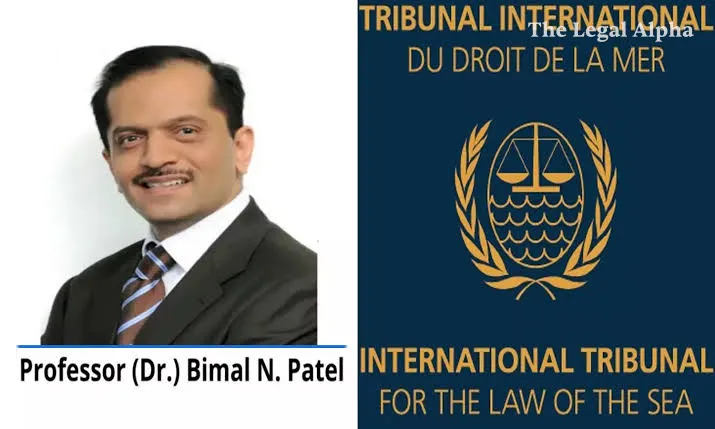
Indian legal scholar and institutional administrator Professor Bimal N. Patel has been elected as a Judge of the International Tribunal for the Law of the Sea (ITLOS). The election took place during the Thirty-Sixth Meeting of States Parties to the United Nations Convention on the Law of the Sea (UNCLOS) held at the UN Headquarters in New York. Patel garnered 115 votes out of 168 valid ballots cast by member states, winning one of the two seats open to the Asia-Pacific regional bloc for the 2026–2035 term. His election ensures continuity in India’s presence on the 21-member maritime bench following the conclusion of Judge Neeru Chadha’s tenure.
Legal Topic
Area of Law: Public International Law
Sub-topic: International Dispute Settlement / Law of the Sea (UNCLOS)
Core Legal Issue
The legal mechanism at issue governs the election and geographic constitution of judges presiding over dispute adjudication under the law of the sea framework.
Under Article 2 of the Statute of the International Tribunal for the Law of the Sea, the assembly of States Parties must select 21 independent members with demonstrated competence in maritime jurisprudence, while strictly ensuring equitable geographic distribution and representation of the world's principal legal systems. The vote addressed whether the nominated jurist possessed the statutory threshold of international legal expertise to assume judicial responsibilities over complex sovereign disputes concerning ocean governance, boundary delimitation, and marine resource stewardship.
What Did the Court / Authority Decide?
The Meeting of States Parties formally elected seven judges across regional groups to fill vacancies for nine-year terms running from 2026 through 2035.
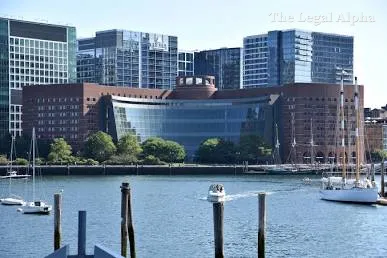
Patel secured one of the contested Asian Group seats alongside Vietnam’s Nguyen Lan-Anh Thi. The electoral authority declared the election conclusive, establishing that Patel assumes office effective October 1, 2026, at the ITLOS seat in Hamburg, Germany.
Key Legal Points
-
Jurisdictional Competence: Members of ITLOS exercise judicial authority over disputes involving the interpretation and application of UNCLOS, including binding rulings on maritime boundary delimitations, marine environmental protection, deep-seabed activities, and the prompt release of detained vessels and crews.
-
Institutional Impartiality and Representation: Statute rules mandate that no two sitting judges can be nationals of the same State, and judicial appointments must preserve parity among civil law, common law, and regional legal doctrines.
-
Tenure and Succession: Judges serve staggered nine-year mandates with judicial terms governed by the Statute, maintaining procedural continuity in ongoing contentious and advisory proceedings.
Relevant Law
-
United Nations Convention on the Law of the Sea (UNCLOS), 1982: Annex VI (Statute of the International Tribunal for the Law of the Sea), specifically Articles 2 through 4 governing composition, qualifications, and the nomination and election procedures of judges.
-
UNCLOS Part XV (Settlement of Disputes): Framework Articles 279–288 establishing judicial and arbitral dispute resolution mechanisms.
Arguments of the Parties
Because this development concerns a multilateral election within an international treaty body rather than an adversarial courtroom proceeding, there were no petitioner or respondent arguments. The proceedings involved sovereign voting delegations evaluating candidates nominated by State Parties based on technical credentials, jurisprudence track records, and geopolitical representation within the UNCLOS framework.
Why Does It Matter?
ITLOS plays an increasingly active role in clarifying international ocean governance, from high-stakes territorial and economic-zone delimitations to recent landmark advisory proceedings on maritime emissions and climate change impacts under marine treaties. Electing an Indian academic and international law practitioner—who also serves on the UN International Law Commission—reinforces the Global South's jurisprudential voice on critical oceans policy. For coastal states and global maritime commercial shipping, the composition of ITLOS directly influences the judicial consistency with which freedom of navigation, continental shelf claims, and conservation standards are interpreted across global waters.
Legal Takeaway
Judicial appointments under UNCLOS Annex VI balance high-level international competence with global geographic distribution to ensure balanced maritime adjudication. Patel’s nine-year appointment to the ITLOS bench maintains India's direct engagement in shaping binding judicial interpretations of the primary treaty governing world oceans.
Sources
Primary Source:
-
United Nations Convention on the Law of the Sea, Annex VI (Statute of the International Tribunal for the Law of the Sea)
-
Thirty-Sixth Meeting of States Parties to the UN Convention on the Law of the Sea (Official Election Proceedings, June 2026)
Additional Sources:
-
Doordarshan News Report (June 19, 2026)
-
Press Information Bureau / Ministry of External Affairs Statements (June 2026)