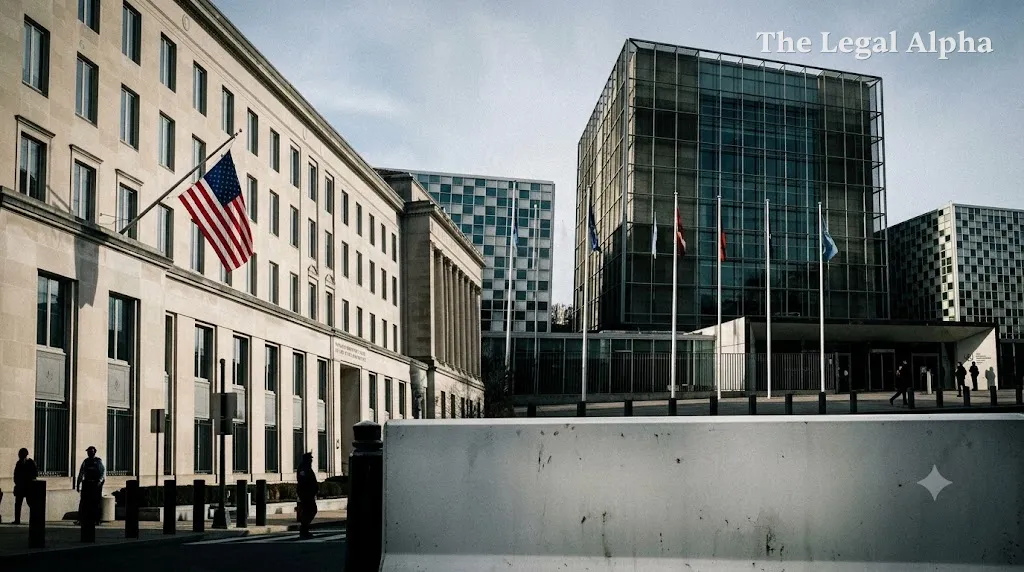
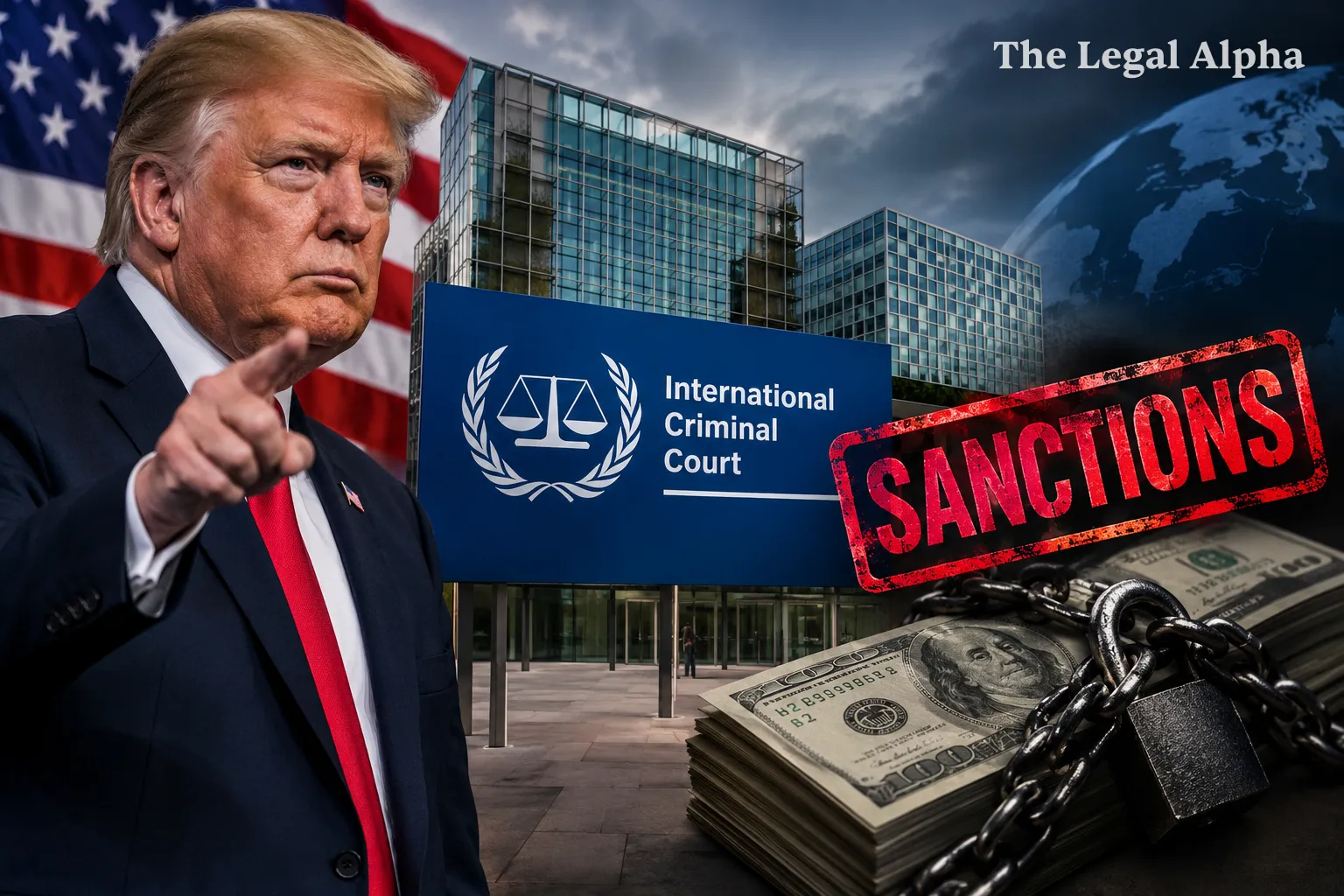
International Criminal Court Decries Unprecedented United States Institutional Sanctions as Assault on Global Legal Order
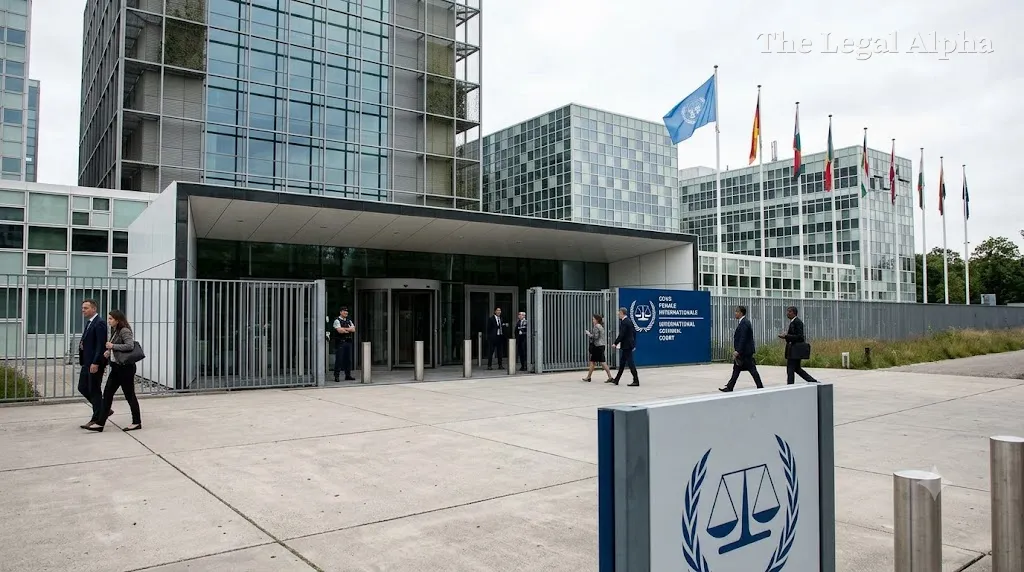
The United States government escalated its diplomatic and economic confrontation with the International Criminal Court (ICC) by imposing direct institutional sanctions against the judicial body. While previous American measures singled out individual personnel, including prosecutors and judges, the latest executive action targets the Hague-based tribunal as an entity, restricting broader operational transactions and threatening secondary penalties on service providers.
In response, the leadership of the ICC issued a formal rebuke, characterizing the move as an impermissible attempt to derail active international investigations and undermine judicial independence. The dispute marks one of the sharpest institutional standoffs between a major global power and the international treaty system designed to prosecute atrocity crimes. (Note: While certain initial news syndication headlines mistakenly referred to the acronym "ICRC," the substantive action and statements exclusively concern the International Criminal Court).
Legal Topic
Area of Law: Public International Law
Sub-topic: International Criminal Justice / Judicial Independence and Jurisdictional Immunity
Core Legal Issue
The controversy centers on whether a sovereign state may lawfully deploy domestic economic sanctions and executive embargo mechanisms to obstruct an independent international judicial institution created by multilateral treaty.
At stake is the boundary between sovereign foreign policy prerogatives—such as non-recognition of a treaty regime to which a state is not party—and the customary protections shielding international tribunals from unilateral interference, coercive state action, and retaliatory measures designed to halt ongoing proceedings.
What Did the Court / Authority Decide?
The ICC did not capitulate to the unilateral restrictions. Court President Tomoko Akane announced that the tribunal will fully continue discharging its judicial and investigative mandates across all designated situations, asserting that proceedings will proceed strictly on the basis of evidence and statutory law rather than political pressure.
Additionally, the Court:
-
Formalized an urgent appeal to its 125 States Parties to execute collective diplomatic, legal, and operational safeguards to defend the institution.
-
Continued active filings and proceedings, rejecting any pause in outstanding arrest warrants or inquiries.
-
Meanwhile, the U.S. Department of the Treasury accompanied its designation with limited general licenses—carving out specific exemptions for basic telecommunications, core software maintenance, pension administration, and the basic welfare of detainees in ICC custody.
Key Legal Points
-
Institutional Independence: Unilateral domestic sanctions directed against a treaty-based court violate foundational tenets of judicial non-interference and the rule of law.
-
Delegated Authority vs. Non-Party Sovereignty: The clash highlights the tension between Rome Statute jurisdiction (delegated by territorial state parties) and third-party sovereign non-consent.
-
Functional Immunities: International judicial organizations rely on international legal personality and customary immunities to safeguard their operations from domestic executive orders.
-
Secondary Compliance Risk: By targeting institutional vendors, broad sanctions introduce commercial and procedural friction into evidence gathering, banking, and defense registry functions.
Relevant Law
-
Rome Statute of the International Criminal Court (1998): Article 4 (Legal status and powers of the Court) and Article 48 (Privileges and immunities necessary for the fulfillment of its purposes).
-
United States Domestic Law: International Emergency Economic Powers Act (IEEPA) and related Executive Orders authorizing asset freezes and transactional prohibitions.
-
Agreement on the Privileges and Immunities of the International Criminal Court (APIC): Governing the functional protections of court premises, communications, and archives.
Arguments of the Parties
The International Criminal Court
The ICC asserted that the American measures represent an impermissible assault on the rule of law and an effort to place powerful states above international accountability. The Court emphasized that its jurisdiction is grounded in law and treaty obligations, arguing that allowing political sanctions to dictate court dockets would erode the integrity of global criminal justice and deny redress to victims of war crimes and crimes against humanity.
The United States Government
The U.S. executive branch maintained that the Court has exceeded its legitimate mandate by claiming jurisdiction over nationals of non-party states, specifically regarding matters in Palestine and historical reviews in Afghanistan. Washington contended that the court functions without proper checks and balances, characterizing the tribunal as an infringing political body whose decisions infringe upon domestic and allied sovereignty.
Why Does It Matter?
This development moves the friction between national sovereignty and international accountability from political rhetoric into practical administrative conflict. If financial institutions, software providers, and logistics contractors face regulatory penalties in the United States for dealing with the ICC, the Court's operational infrastructure could experience significant logistical strain.
Furthermore, the standoff tests the commitment of the 125 States Parties. Member nations, including major U.S. allies in Europe and Asia, now face competing legal duties: their international obligations to assist the Court under the Rome Statute versus the extraterritorial exposure created by U.S. banking and compliance regimes.
Legal Takeaway
Unilateral sanctions imposed on an international court challenge the operational viability of multilateral treaties and create deep jurisdictional friction for global compliance. The ultimate resilience of the International Criminal Court now depends on whether its member states establish viable legal and financial firewalls to shield independent tribunals from external sovereign pressure.
Sources
Primary Source:
-
Official Statement of the Presidency of the International Criminal Court on United States Sanctions Measures (The Hague).
-
Rome Statute of the International Criminal Court, 2187 U.N.T.S. 90.
Additional Sources:
-
U.S. Department of the Treasury, Office of Foreign Assets Control (OFAC) Regulatory Determinations and General Licenses.
-
Ukrainian News Agency / UNN Diplomatic Dispatches and Associated Press / Reuters Institutional Coverage.