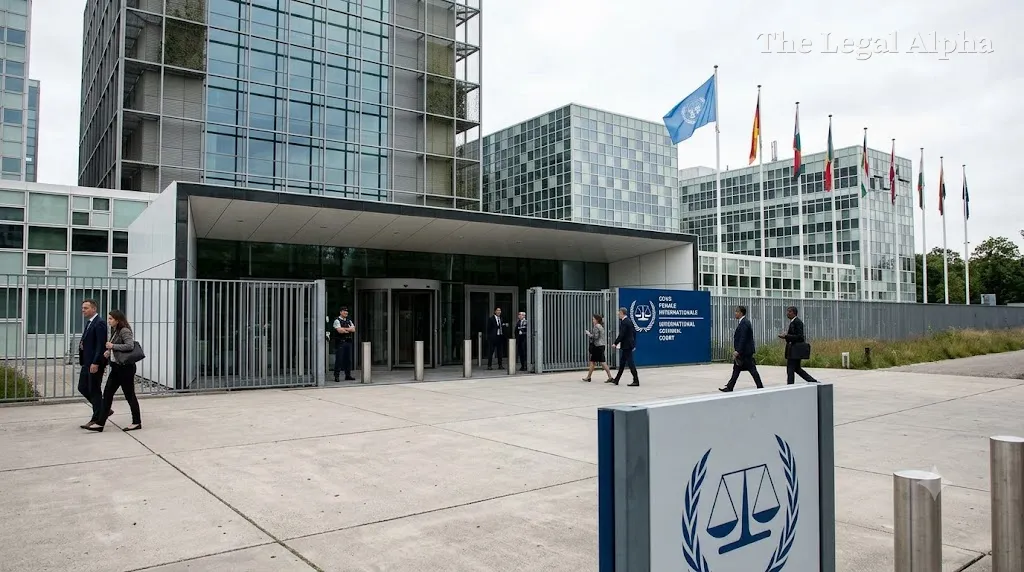
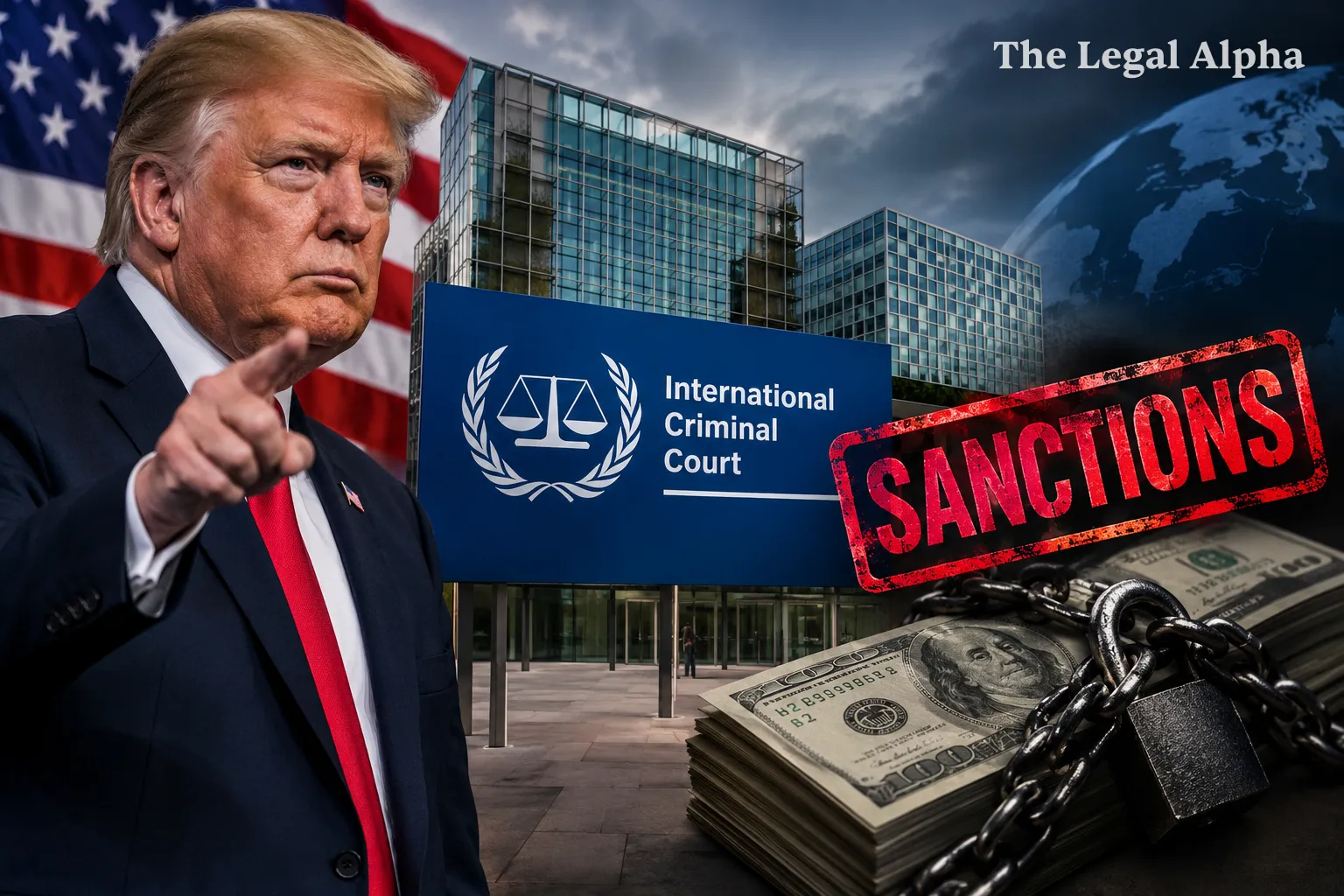
Washington Imposes Broad Economic Sanctions Against International Criminal Court to Curb Jurisdictional Reach
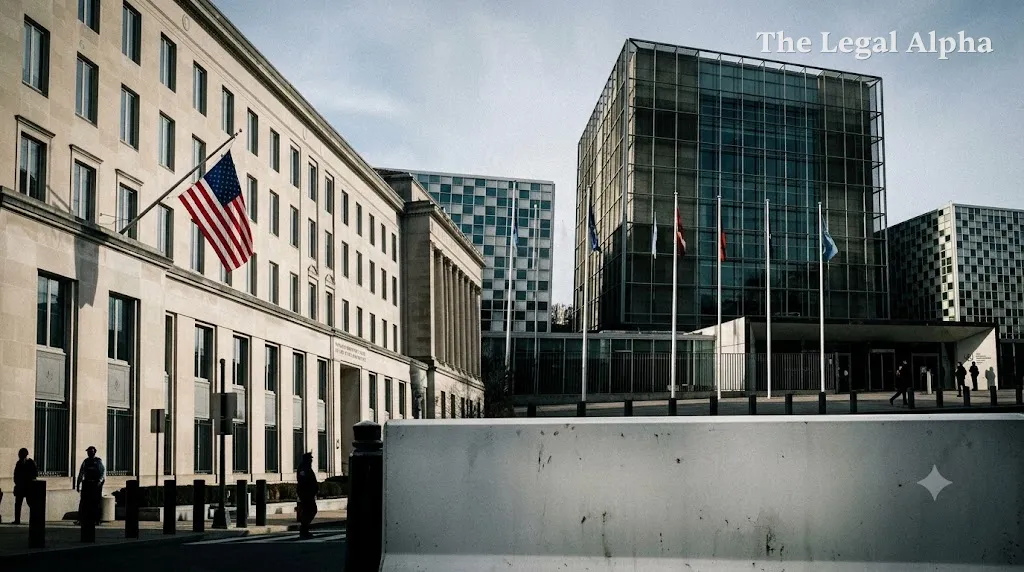
The United States government announced comprehensive economic and technological sanctions directed at the International Criminal Court (ICC). U.S. Secretary of State Marco Rubio declared that Washington intends to bar all transactions involving the The Hague-based court, effectively blocking it from utilizing American financial institutions, cloud and enterprise technology services, and transactions denominated in U.S. dollars. The administration set a wind-down period allowing American corporations and entities six months to disengage from active commercial or operational arrangements with the court.
The sanctions follow longstanding disputes between Washington and the ICC over investigations into military and political personnel from non-party states, specifically targeting probes involving the U.S. and key allies such as Israel. Officials from the ICC, along with the United Nations and multiple allied countries—including Canada, France, Germany, Japan, and the United Kingdom—promptly criticized the measures as an attempt to undermine multilateral legal processes and judicial independence.
Legal Topic
-
Area of Law: Public International Law
-
Sub-topic: International Criminal Jurisdiction / Sovereign Immunity / Unilateral Coercive Measures
Core Legal Issue
The controversy centres on the jurisdictional boundaries established by the Rome Statute and the friction generated when an international tribunal asserts authority over nationals of non-signatory states. Under international treaty law, treaties generally bind only consenting states (pacta tertiis nec nocent nec prosunt). However, the Rome Statute empowers the ICC to exercise territorial jurisdiction when alleged war crimes, crimes against humanity, or genocide occur on the territory of an ICC State Party, regardless of the nationality of the perpetrator.
The legal question is whether unilateral sanctions and economic blockades imposed by a non-member sovereign state represent a lawful exercise of foreign policy power or an unlawful coercive interference with a judicial body mandated by multilateral treaty obligations and the United Nations framework.
What Did the Court / Authority Decide?
-
Executive Branch of the United States: Directed sweeping sanctions prohibiting American natural and legal persons from transacting with or providing operational, logistical, or software services to the ICC. The action institutes a six-month wind-down timeline before full prohibitions take effect.
-
Presidency of the International Criminal Court: Judge Tomoko Akane issued an official response stating that the tribunal’s mandate remains active and that coercive external actions compromise the international rule of law. The court confirmed it will continue proceedings under its statutory framework while liaising with member states on countermeasures.
-
Status of Proceedings: The court has not altered or suspended any pending arrest warrants or prosecutorial inquiries. Meanwhile, European authorities, including the Dutch government, have examined the deployment of defensive legal instruments—such as the European Union’s Blocking Statute—to restrict European firms from complying with extraterritorial U.S. directives.
Key Legal Points
-
Territorial Jurisdiction vs. Sovereign Non-Consent: The dispute emphasizes the recurring friction between Article 12 of the Rome Statute—which allows prosecution of non-member citizens for actions committed inside member territory—and the traditional requirement of sovereign state consent in public international law.
-
Extraterritorial Sanctions and Secondary Liability: By targeting commercial vendors, enterprise tech providers, and clearing services using the U.S. financial system, Washington is deploying its extraterritorial regulatory authority to isolate an intergovernmental entity.
-
Conflict of Laws and Blocking Statutes: Jurisdictions hosting the court or supporting its operations may deploy statutory countermeasures that penalize domestic institutions if they comply with foreign unilateral sanctions against the tribunal.
-
Institutional Immunity of International Tribunals: The measures raise unresolved questions regarding functional immunity and privileges typically accorded to international judicial bodies under international conventions.
Relevant Law
-
Rome Statute of the International Criminal Court (1998): Articles 12 (preconditions to the exercise of jurisdiction), 27 (irrelevance of official capacity), and 98 (cooperation with respect to waiver of immunity and consent to surrender).
-
Vienna Convention on the Law of Treaties (1969): Article 34 (general rule regarding third states, establishing that a treaty creates neither obligations nor rights for a third state without its consent).
-
International Emergency Economic Powers Act (IEEPA), 50 U.S.C. § 1701 et seq.: The primary domestic statutory authority utilized by the U.S. President to impose foreign transaction controls, asset freezes, and financial embargoes.
-
Council Regulation (EC) No 2271/96 (EU Blocking Statute): The regulatory mechanism providing protection against and counteracting the effects of the extra-territorial application of specified foreign legislation and actions based thereon.
Arguments of the Parties
The United States Government
-
Maintained that the ICC is attempting to exercise illegitimate universal jurisdiction over nationals of sovereign states that have neither signed nor ratified the Rome Statute.
-
Asserted that sovereign nations with established, independent domestic justice systems cannot have their military or political officials placed under the authority of an external tribunal without explicit treaty consent.
-
Argued that the administration is legally empowered through domestic emergency economic statutes to protect its service members and diplomatic interests from foreign judicial overreach.
The International Criminal Court and Allied Member States
-
Argued that the tribunal functions under delegated territorial jurisdiction conferred validly by its 125 member states, allowing it to investigate offenses committed within their borders.
-
Contended that political sanctions against a court of law amount to obstruction of justice and violate basic principles of judicial independence.
-
Submitted that international criminal justice requires an impartial forum to hold individuals accountable for core international crimes, regardless of state power.
Why Does It Matter?
This conflict tests the operational resilience of multilateral tribunals when confronted with economic isolation by a global financial hub. Because international tribunals rely on enterprise technology, translation software, cloud storage, banking rails, and travel services, an aggressive sanctions campaign exposes the administrative vulnerability of global judicial bodies.
For commercial enterprises, banks, and contractors operating across transatlantic markets, the action threatens to create severe compliance conflicts. If European and other member states activate blocking legislation, multinational vendors could face conflicting legal commands: violating U.S. sanctions law by continuing to service the ICC, or violating European domestic regulations by terminating those same contracts.
Legal Takeaway
Unilateral economic sanctions targeting an international tribunal highlight the fundamental conflict between domestic sovereignty and multilateral treaty-based criminal jurisdiction. While the ICC retains formal legal authority under the Rome Statute, its practical capacity to execute warrants and manage trials remains deeply dependent on the broader financial and enforcement architecture of sovereign states.
Sources
-
Primary Source: Official announcements and directives issued by the U.S. Department of State and Executive Branch; formal response statements released by ICC President Tomoko Akane.
-
Additional Sources: Associated Press reporting on U.S. foreign policy toward the ICC; statements from the Office of the UN Secretary-General; joint diplomatic communiqués from ICC State Parties.