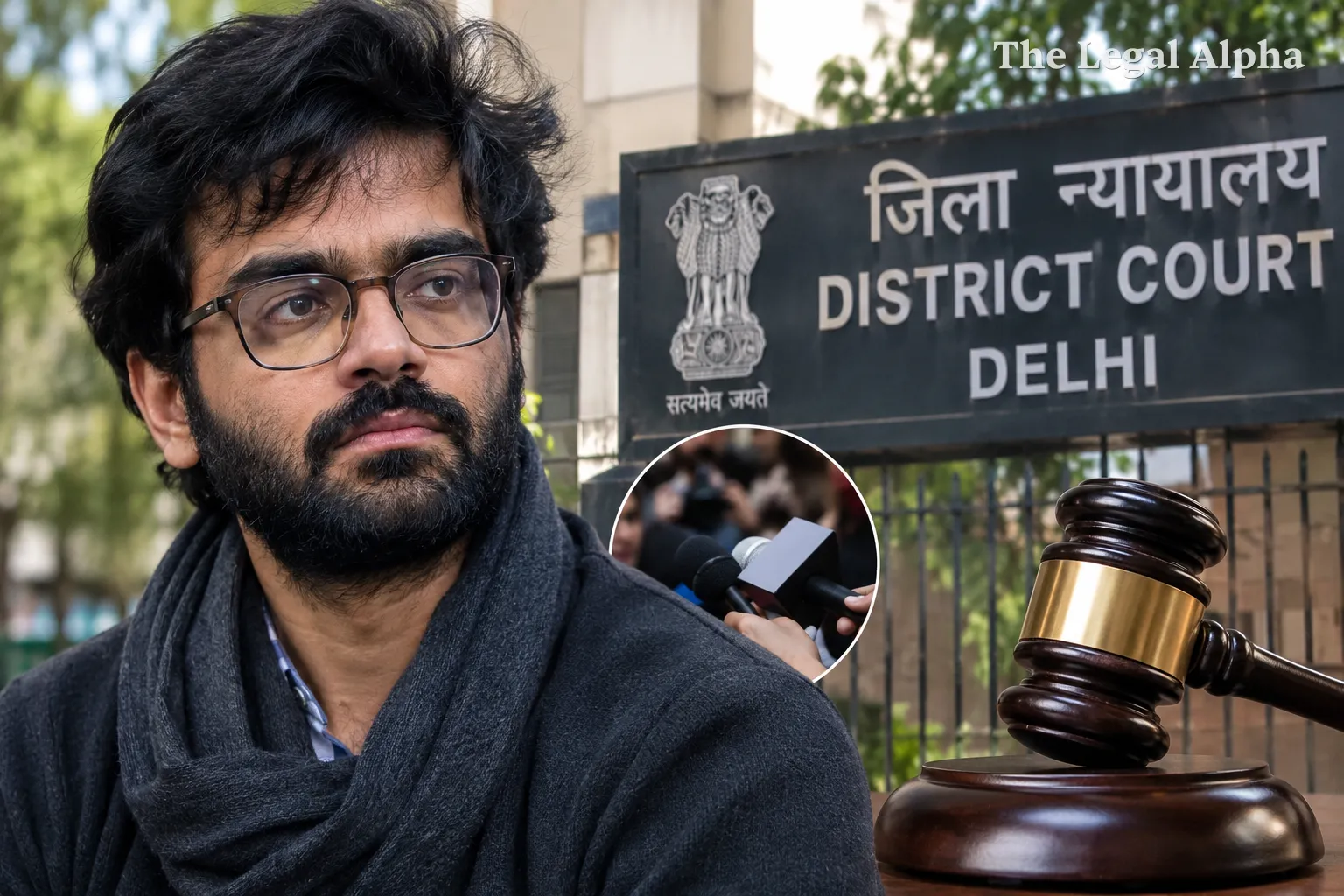
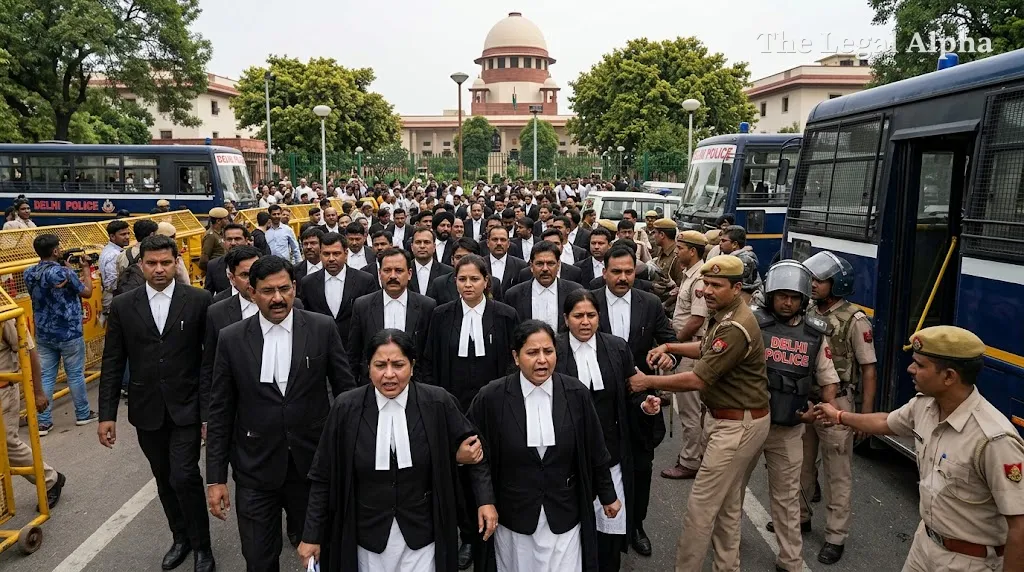
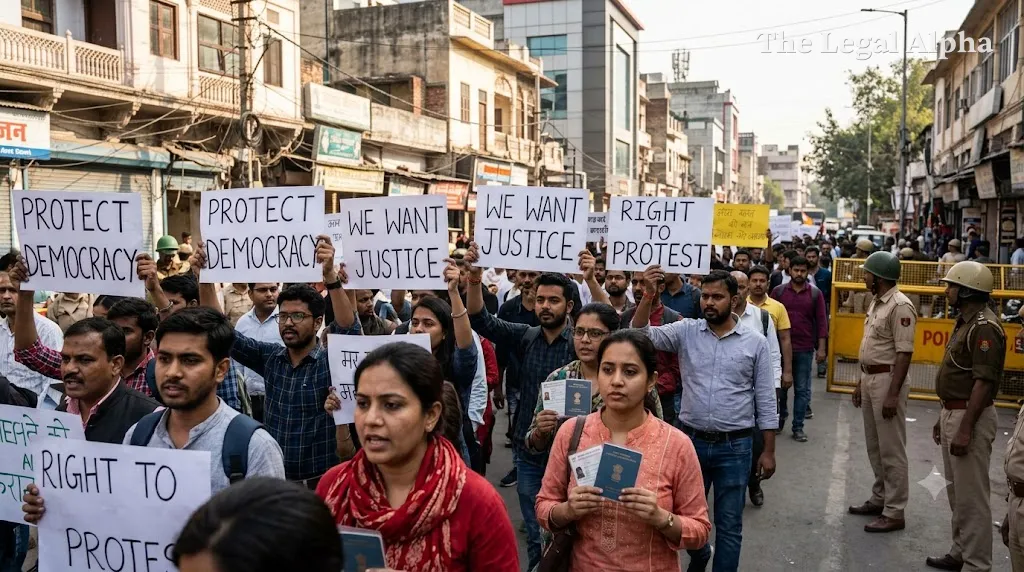
Demands for Chief Election Commissioner’s Stepping Down Trigger Security Crackdown and Prohibitory Curbs in New Delhi
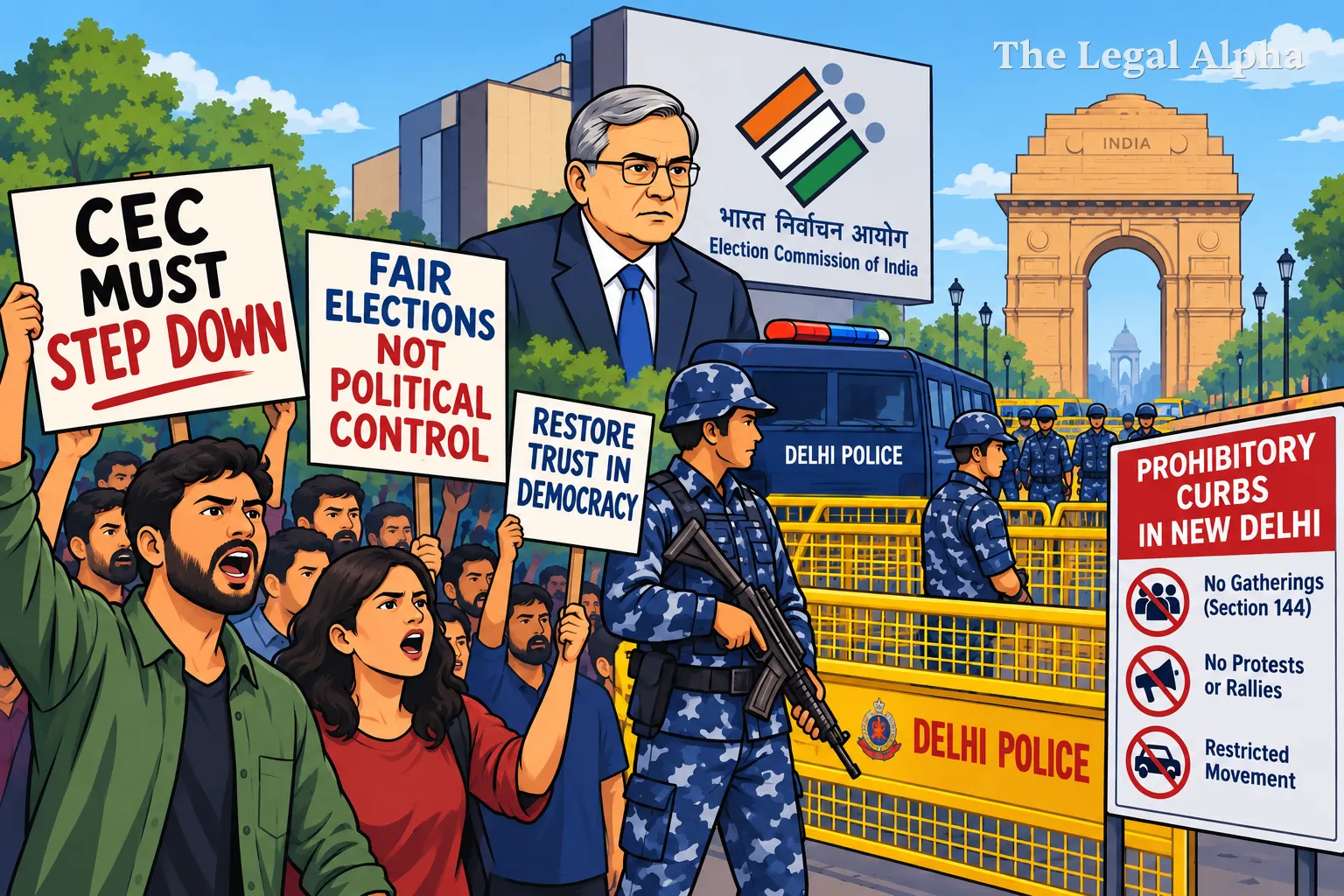
Mass civic demonstrations mobilized by youth groups and civil society bodies, including the All India Students' Association (AISA) and activist groups, converged toward Jantar Mantar in New Delhi demanding the immediate stepping down and criminal prosecution of Chief Election Commissioner Gyanesh Kumar over alleged electoral roll discrepancies.
In response, the New Delhi district administration and Delhi Police clamped down heavily, invoking prohibitory orders under Section 163 of the Bharatiya Nagarik Suraksha Sanhita (BNSS), 2023, preemptively denying permission for the gathering. Authorities deployed tens of thousands of police and central paramilitary forces, shuttered scores of transit points, curbed vehicular traffic, and enforced temporary internet shutdowns across central administrative zones. Several key organizers and student leaders were detained prior to reaching the venue. The standoff highlights a constitutional friction point: the conflict between public dissent calling for institutional accountability and the state's invocation of executive security powers to preserve public order.
Legal Topic
-
Area of Law: Constitutional & Administrative Law
-
Sub-topic: Institutional Independence, Removal Procedures of Constitutional Functionaries, and Freedom of Assembly
Core Legal Issue
The controversy turns on two overlapping legal questions. First, what are the constitutional and statutory thresholds for enforcing accountability against the Chief Election Commissioner, specifically whether an incumbent can be subjected to criminal prosecution or removal outside the rigid constitutional procedure prescribed under Article 324 read with Article 124(4) of the Constitution of India?
Second, it brings into question the proportionate use of preventive executive mechanisms—specifically prohibitory orders under Section 163 BNSS (analogous to former Section 144 CrPC) coupled with telecommunication suspensions—against citizens exercising their fundamental freedom of peaceful assembly under Article 19(1)(b).
What Did the Court / Authority Decide?
No judicial forum has delivered a ruling or passed orders regarding this demonstration. The relevant statutory action remains purely executive:
-
The Office of the Deputy Commissioner of Police (New Delhi District) issued orders invoking Section 163 BNSS, legally prohibiting congregations, assemblies, and public agitation within the Lutyens' administrative zone.
-
The administration systematically denied permission for the Jantar Mantar rally and enacted preemptive detentions under preventive detention provisions.
-
The Ministry of Home Affairs sanctioned auxiliary paramilitary deployments and temporary localized suspensions of internet communications citing public safety and law-and-order concerns.
-
No formal impeachment motion or presidential reference has been initiated within Parliament, leaving the status of the Election Commission unaffected in official administrative terms.
Key Legal Points
-
Constitutional tenure safeguards provide that the Chief Election Commissioner cannot be removed from office except on grounds of proven misbehaviour or incapacity, following the exact procedure and parliamentary majority prescribed for a Supreme Court judge under Article 324(5) read with Article 124(4).
-
The Chief Election Commissioner and Other Election Commissioners (Appointment, Conditions of Service and Term of Office) Act, 2023 establishes statutory immunities shielding election commissioners from court actions and criminal proceedings for acts done in discharge of official functions.
-
The invocation of prohibitory orders under Section 163 BNSS requires objective material demonstrating imminent apprehension of danger, riot, or public nuisance, subject to judicial review under the doctrine of proportionality.
-
Preventative suspensions of telecommunication services must strictly conform to procedural checks stipulated by statutory rules and tests laid down in landmark Supreme Court jurisprudence on digital rights.
Relevant Law
-
Constitution of India, Article 324(5): Guarantees security of tenure to the Chief Election Commissioner, equating removal thresholds to those of a Judge of the Supreme Court.
-
Constitution of India, Article 124(4): Sets out the parliamentary address and special majority procedure required for removal on grounds of proven misbehaviour or incapacity.
-
Constitution of India, Article 19(1)(a) & 19(1)(b): Guarantees freedom of speech, expression, and peaceful assembly without arms, subject to reasonable restrictions under Articles 19(2) and 19(3).
-
Bharatiya Nagarik Suraksha Sanhita (BNSS), 2023, Section 163: Authorizes District Magistrates and executive authorities to issue urgent orders in cases of nuisance or apprehended danger.
-
Chief Election Commissioner and Other Election Commissioners Act, 2023: Statutory framework governing the appointment, terms, protections, and institutional conduct of Election Commission members.
Arguments of the Parties
Agitators and Student Groups
The organizers and demonstration leaders argued that the Election Commission failed in its constitutional duty to guarantee free, fair, and transparent electoral processes, alleging serious discrepancies within the voter registries. They contended that peaceful public protest is a constitutionally protected fundamental right under Article 19 that cannot be blanketly suppressed through emergency administrative curbs, arguing that institutional functionaries must face accountability and immediate administrative stepping-aside pending an inquiry.
Law Enforcement and Executive Administration
The state authorities submitted that the assembly could not be permitted due to intelligence assessments indicating a high likelihood of public disorder, traffic disruption, and threats to security across sensitive central government enclaves. Law enforcement maintained that prohibitory restrictions under Section 163 BNSS were necessary, lawful, and preventive, designed to avoid disruptions to key transit corridors and administrative operations.
Why Does It Matter?
This development highlights the balance of powers governing India's constitutional oversight architecture. While public calls for resignations reflect political and civil mobilization, constitutional bodies such as the Election Commission are insulated from immediate executive or popular removal precisely to shield the electoral process from external volatility.
At the same time, the state's reliance on broad preventive bans, internet shutdowns, and mass transit closures to counter planned civic demonstrations raises concerns around administrative proportionality. When routine democratic assembly is met with security gridlocks, it creates friction between public order powers and the constitutional freedom to assemble peacefully.
Legal Takeaway
A Chief Election Commissioner cannot be compelled to vacate office through administrative orders or criminal filings for official acts; removal remains strictly governed by parliamentary impeachment under Articles 324(5) and 124(4) of the Constitution. Concurrently, executive curbs under Section 163 BNSS must be tailored and proportionate, ensuring that preventive measures do not curtail the constitutional right to peaceful assembly.
Sources
Primary Source:
-
Constitution of India, Articles 19, 124(4), and 324
-
Bharatiya Nagarik Suraksha Sanhita (BNSS), 2023, Section 163
-
The Chief Election Commissioner and Other Election Commissioners (Appointment, Conditions of Service and Term of Office) Act, 2023
Additional Sources:
-
Delhi Police Orders and Ministry of Home Affairs Security Directives (October 2026)
-
Field reporting and documentation of Jantar Mantar demonstrations and preventative detentions