Can Foreign Nationals Protest in India? The Constitutional and Immigration Framework Explained
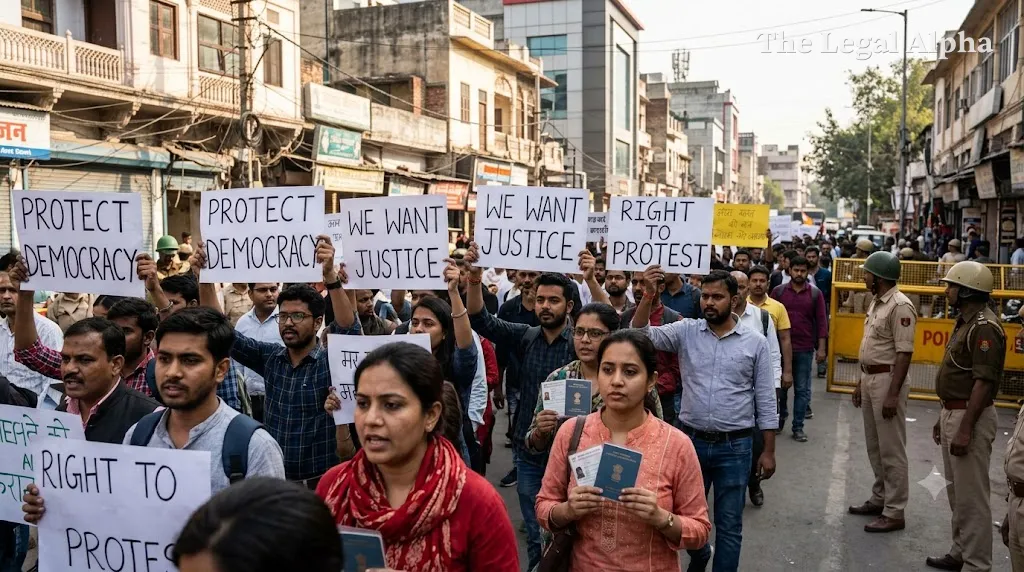
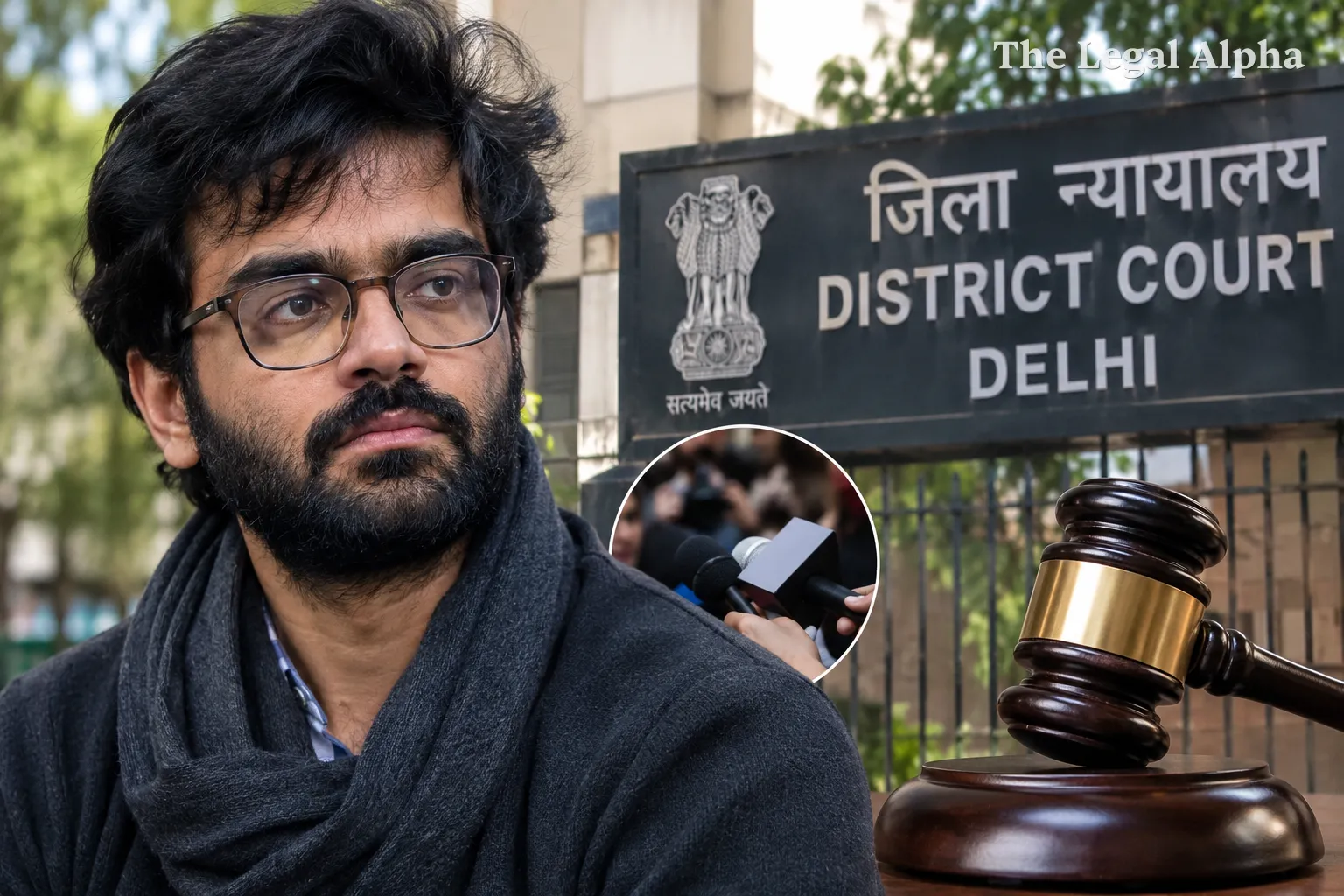
Political controversy and scrutiny erupted following the participation of YouTuber and political commentator Dhruv Rathee in a demonstration in Bengaluru. Following his appearance and subsequent reports concerning his detention from his Gurugram premises, former Bengaluru Police Commissioner and BJP leader Bhaskar Rao submitted a formal representation to the Union Ministry of Home Affairs (MHA). Rao requested an inquiry into Rathee’s citizenship records, visa credentials, and entry-exit documentation, questioning whether a person holding foreign nationality or an Overseas Citizen of India (OCI) card is legally permitted to participate in political protests on Indian soil.
Legal Topic
-
Area of Law: Constitutional Law & Immigration Law
-
Sub-topic: Fundamental Rights of Non-Citizens / Visa Compliance and Foreigners' Regulations
Core Legal Issue
The controversy centres on whether non-citizens residing or visiting India possess the right to assemble peacefully and voice political protest, and whether participating in political demonstrations constitutes a breach of entry visa conditions and immigration statutes.
Under Indian jurisprudence, the threshold question is whether the freedoms of speech, expression, and assembly extend to foreigners, or if their presence remains strictly conditional upon the terms of their visa and the sovereign discretion of the State.
What Did the Authority Decide?
The Union Home Ministry has not yet issued a conclusive finding on Rathee's citizenship status or confirmed specific statutory breaches. The development currently rests on a formal representation filed by Rao requesting that immigration authorities preserve entry logs and investigate whether applicable visa rules were breached. Law enforcement authorities retain the jurisdiction to verify immigration documentation, and any consequential action—such as visa cancellation, issuance of a Leave India notice, or deportation—remains contingent upon the outcome of official scrutiny.
Key Legal Points
-
Differential Scope of Fundamental Rights: Article 19(1)(a) (freedom of speech and expression) and Article 19(1)(b) (peaceful assembly without arms) are strictly reserved for Indian citizens, meaning non-citizens cannot assert them against the State.
-
General Constitutional Protections: Foreign nationals are entitled to the guarantees of Article 14 (equality before the law) and Article 21 (protection of life and personal liberty), but these rights do not confer an unfettered entitlement to enter, reside in, or politically mobilise within India.
-
Conditional Entry and Stay: Visas, tourist permissions, and OCI cards are statutory privileges rather than fundamental rights; participation in political rallies or unauthorized public agitation is routinely construed by authorities as a violation of standard visa conditions.
-
Executive Discretion in Immigration: Under established precedent, the Central Government retains plenary sovereign power to regulate, restrict, or expel foreign nationals who breach immigration norms or engage in political activities contrary to their declared purpose of visit.
Relevant Law
-
The Constitution of India:
-
Article 19(1)(a) & (b): Freedom of speech, expression, and peaceful assembly (conferred exclusively upon citizens).
-
Article 21: Right to life and personal liberty (applicable to both citizens and foreigners).
-
-
Foreigners Act, 1946 / Immigration and Foreigners Framework: Empowers the executive to impose conditions on foreign nationals, regulate their movements, cancel visas, and order deportation for violations of stay conditions.
-
Foreigners Order, 1948 & Visa Manual Provisions: Prescribe that foreign nationals visiting on tourist, business, or dependent visas must not engage in political agitations or demonstrations without explicit statutory clearance.
-
Judicial Precedents: Hans Muller of Nurenburg v. Superintendent, Presidency Jail, Calcutta (1955) and Louis De Raedt v. Union of India (1991), where the Supreme Court held that the government possesses unrestricted power to expel foreigners, as they have no fundamental right to reside in India beyond what is permitted by law.
Arguments of the Parties
-
The Complainant / Calling for Inquiry: Former police chief Bhaskar Rao contended that immigration rules strictly forbid foreign nationals or individuals on specific visa categories from engaging in local political rallies and public tribunals. He submitted that the government must verify whether Rathee renounced his Indian citizenship, holds a foreign passport or OCI card, and whether entering political protests breached his declared visa parameters.
-
The Stand on Foreign Rights & Rathee’s Position: Observers and legal representatives typically argue that mere attendance at a public gathering or exercising standard civic expression does not equate to public disorder or illegal political subversion. Furthermore, civil liberties advocates emphasize that non-citizens remain protected under Article 21 against arbitrary detention or punitive expulsion without due process. In Rathee's specific case, supporters and commentators maintain that his Indian citizenship remains intact by birth unless voluntary acquisition of foreign citizenship is proven.
Why Does It Matter?
This issue highlights the sharp boundary between constitutional protections and immigration enforcement in India. Previous controversies—notably during the 2019–2020 Citizenship Amendment Act demonstrations, where foreign exchange students and visitors were served deportation notices for participating in protests—established that executive authorities strictly enforce political neutrality clauses on foreign visitors.
If immigration authorities expand the definition of political participation to include attending civil rallies or speaking at independent gatherings, foreign nationals, OCI cardholders, and dual-heritage diaspora members will face stricter compliance scrutiny whenever engaging in public discourse in India.
Legal Takeaway
Non-citizens and foreign passport holders do not enjoy the constitutional right to protest or assemble under Article 19, leaving their activities governed strictly by immigration and visa conditions. Engaging in political rallies or demonstrations while visiting India on a standard visa exposes foreign nationals to immediate visa revocation, blacklisting, or deportation under the sovereign authority of the Foreigners Act.
Sources
-
Primary Source: The Constitution of India (Articles 14, 19, and 21); The Foreigners Act, 1946; Supreme Court of India rulings in Hans Muller of Nurenburg (1955) and Louis De Raedt (1991).
-
Additional Sources: Formal representation by Bhaskar Rao to the Ministry of Home Affairs; official reports on immigration and visa guidelines regarding political activities.