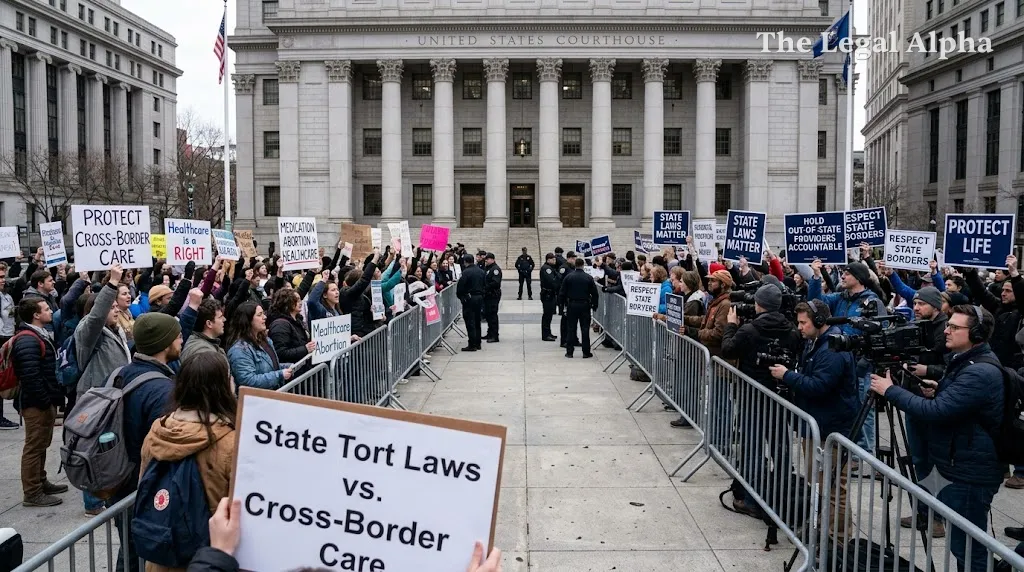
Tennessee Judge Orders Preservation of Execution Evidence After Lethal Injection Attempt Leaves Inmate Hospitalized
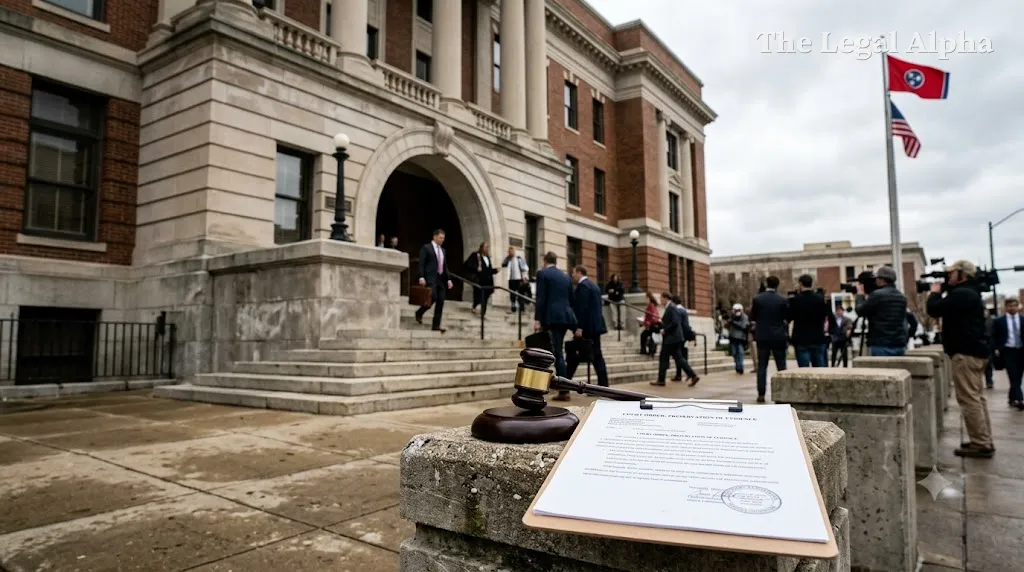
Tennessee death row inmate Christa Pike survived an attempted execution by lethal injection on September 30, 2026, leaving her severely injured and hospitalized. Following the incident, her legal team moved swiftly in a Nashville court to demand immediate access to and forensic inspection of physical evidence from the death chamber, specifically targeting used syringes, intravenous lines, and residual chemical compounds.
In response to the emergency filings, a state court judge directed correctional authorities to secure and preserve all physical materials, medical records, and chemical substances used during the procedure. The failed execution—believed to be the first time in modern American history that an inmate has survived a completed administration of lethal injection drugs—has triggered widespread legal fallout, the resignation of Tennessee's corrections commissioner, and an executive moratorium on all capital punishment across the state pending independent review.
Legal Topic
Area of Law: Constitutional Law / Criminal Procedure
Sub-topic: Capital Punishment / Eighth Amendment / Preservation of Evidence
Core Legal Issue
The primary legal dispute centers on whether correctional authorities must submit lethal injection hardware, execution logs, and drug residues to independent forensic inspection and chain-of-custody orders to substantiate an inmate's constitutional claims.
At its core, the matter raises the threshold question of how death row prisoners can access evidence shielded by state execution secrecy statutes when investigating potential violations of the constitutional protection against cruel and unusual punishment.
What Did the Court / Authority Decide?
The court granted emergency relief requiring the Tennessee Department of Correction to preserve all physical evidence related to the September 30 execution attempt. This includes syringes, tubing, IV delivery apparatuses, chemical residues, and contemporaneous internal logs.
While the court confirmed the state's ongoing duty to safeguard the physical instruments, it left pending the specific terms, protocols, and third-party laboratory access Pike’s attorneys sought to inspect the chemical composition of the drugs. Concurrently, Tennessee Governor Bill Lee imposed a temporary moratorium suspending all scheduled executions through the end of the year, commissioning an independent third-party investigation into procedural compliance.
Key Legal Points
-
Preservation of Critical Evidence: The court formalized an evidentiary hold requiring the state to maintain the exact physical and chemical condition of all execution materials, preventing the routine disposal of medical waste.
-
Evidentiary Threshold Under the Eighth Amendment: To substantiate a future claim that an execution protocol constitutes cruel and unusual punishment, counsel requires direct access to physical apparatuses to determine if drugs entered tissue due to blown veins rather than the bloodstream.
-
Conflict with Secrecy Statutes: The proceedings challenge state confidentiality statutes designed to conceal the sourcing, compounding, and handling of lethal injection chemicals.
-
Status of Post-Survival Jurisprudence: The court must navigate unchartered territory regarding whether the state can constitutionally attempt a second execution after subjecting an inmate to a prolonged, non-fatal procedure.
Relevant Law
-
U.S. Constitution, Eighth Amendment: Prohibits the infliction of cruel and unusual punishments, including execution methods that create a substantial risk of severe pain or wanton suffering.
-
U.S. Constitution, Fourteenth Amendment (Due Process Clause): Protects a prisoner's right to meaningful access to the courts and safeguards relevant exculpatory or investigative evidence.
-
Baze v. Rees (2008) & Glossip v. Gross (2015): U.S. Supreme Court precedents establishing the legal burden an inmate must meet to challenge an execution method, requiring proof of a demonstrated risk of severe pain relative to feasible alternatives.
-
Tennessee Code Annotated (Execution Protocol & Confidentiality Provisions): State statutory framework governing execution secrecy and lethal injection implementation.
Arguments of the Parties
Petitioner / Applicant
Counsel for Christa Pike argued that physical evidence must be secured and independently tested to establish how the procedure failed. The attorneys submitted that prison officials blew her veins and improperly administered pentobarbital into surrounding muscle tissue instead of the bloodstream, causing severe chemical burns, internal swelling, and prolonged agony. They contended that without direct analysis of the syringes, tubing, and drug residues, the state would destroy vital proof demonstrating that the execution attempt breached Eighth Amendment protections against cruel and unusual punishment.
Respondent / State
The State contended that an explicit preservation order was largely redundant because correctional authorities and law enforcement agencies are already bound by legal duties to retain records and relevant materials in ongoing investigations. Representatives for the state maintained that established execution protocols were followed in good faith and indicated that internal and independent administrative reviews would sufficiently assess procedural discrepancies without compromising statutory confidentiality surrounding execution drugs.
Why Does It Matter?
This litigation strikes at the heart of administrative secrecy in American capital punishment. For years, states have utilized compounding pharmacies and non-disclosure statutes to shield their execution drug supplies from public disclosure and federal regulatory oversight. By seeking direct forensic discovery of used execution hardware, Pike’s legal team is creating an avenue to legally bypass state secrecy shields.
Beyond evidentiary protocol, the matter reopens foundational constitutional questions. If an inmate survives the actual administration of lethal drugs and endures extensive physical trauma, subsequent attempts to carry out a death sentence face unprecedented scrutiny under the Eighth Amendment. The outcome of Tennessee’s independent review and the court's evidentiary rulings will serve as a critical benchmark for defense attorneys litigating intravenous access failures and drug efficacy nationwide.
Legal Takeaway
When a state execution protocol fails mid-process, emergency preservation motions become vital constitutional tools to prevent the disposal of physical execution apparatuses. Securing syringes, tubing, and chemical residues establishes an indispensable evidentiary record to test whether execution failures violate Eighth Amendment protections.
Sources
Primary Source:
-
Emergency Preservation Motions and Court Directives, Knox County Criminal Court / Chancery Court of Davidson County, Nashville, Tennessee (October 2026).
-
Executive Moratorium Announcement, Office of Governor Bill Lee, State of Tennessee (October 2026).
Additional Sources:
-
Legal reports and court reporting via Reuters, The Associated Press, and PBS NewsHour.