Malaysia Weighs Dedicated Statutory Definition for Femicide to Close Gender-Based Violence Gaps
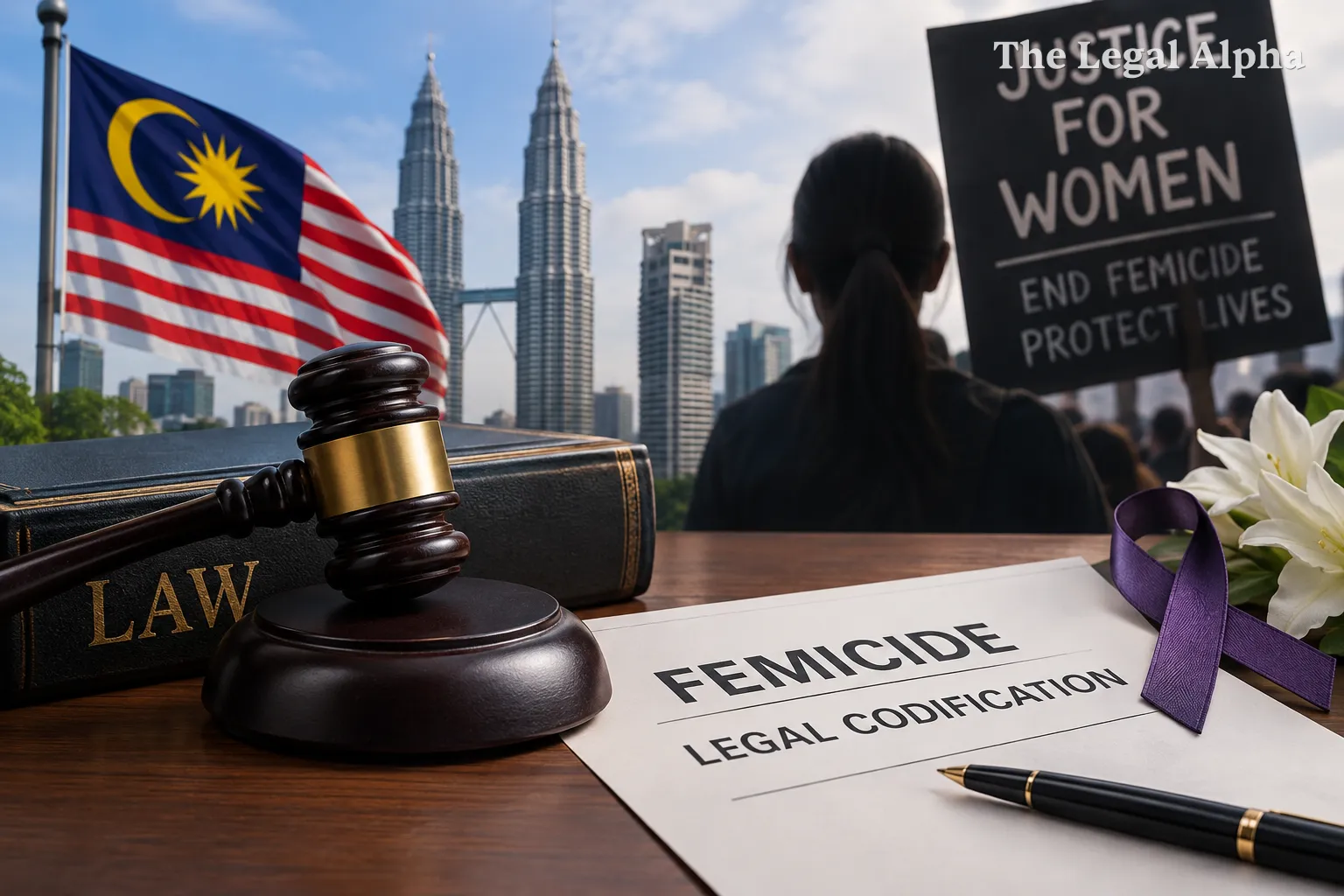
The Malaysian government has initiated preliminary considerations regarding the formal legal recognition of femicide—the gender-motivated killing of women and girls. Following mounting advocacy from civil society groups, including the Women’s Aid Organisation (WAO), Minister of Women, Family and Community Development Datuk Seri Nancy Shukri stated that introducing femicide into statutory law requires extensive cross-agency coordination before any legislative reform can proceed.
The ministry confirmed it will consult with law enforcement agencies, including the Royal Malaysia Police (PDRM), and the Attorney General’s Chambers to determine how gender-motivated homicides can be effectively tracked, categorized, and prosecuted under criminal law.
Legal Topic
-
Area of Law: Criminal Law / Gender Rights Law
-
Sub-topic: Statutory Codification / Gender-Based Violence / Offenses Affecting Life
Core Legal Issue
The core issue is whether Malaysia’s existing statutory framework governing homicide sufficiently addresses the systemic, gender-based drivers of fatal violence against women, or whether distinct statutory categorization and sentencing mechanisms for femicide are necessary.
Currently, Malaysian criminal jurisprudence treats the killing of women under generalized murder and culpable homicide provisions. The question confronting legal policymakers is whether the absence of a distinct legal definition hinders effective inter-agency intervention, criminal risk profiling, and targeted deterrence against intimate partner and gender-motivated killings.
What Did the Authority Decide?
Minister Nancy Shukri stopped short of announcing immediate legislative amendments, clarifying that her ministry cannot unilaterally alter penal definitions. Instead, the ministry resolved to undertake multi-agency consultations involving legal authorities, criminal justice stakeholders, and law enforcement.
The immediate next step involves assessing whether femicide should be introduced as a standalone criminal offense, formulated as an aggravating factor at sentencing, or instituted primarily through administrative and statistical tracking across police and judicial dockets.
Key Legal Points
-
Absence of Distinct Offense: Under current penal statutes, gender-motivated fatal violence does not constitute an independent legal charge or sub-offense.
-
Inter-Agency Jurisdiction: Defining and codifying new criminal classifications requires statutory sponsorship through the Attorney General’s Chambers and operational integration by the police, precluding unilateral ministerial reform.
-
Evidentiary and Data Gaps: The lack of formal legal nomenclature limits systemic data collection on fatal domestic and gender-based violence, obscuring patterns of risk escalation in pre-incident proceedings.
-
Potential Statutory Avenues: Jurisdictional options under review include drafting specific penal amendments or establishing defined statutory aggravators in existing homicide provisions.
Relevant Law
-
Penal Code (Act 574): Sections 299 to 302 (governing Culpable Homicide and Murder).
-
Domestic Violence Act 1994 (Act 521): Sections governing Emergency Protection Orders (EPO) and Interim Protection Orders (IPO).
-
Criminal Procedure Code (Act 593): Framework regulating police investigations, charge drafting, and prosecutorial discretion under Article 145(3) of the Federal Constitution.
Arguments of the Parties
Civil Society and Rights Advocates
Rights advocates argue that subsuming femicide under general murder charges obscures the structural, repetitive patterns of domestic abuse, coercive control, and gender dynamics leading up to fatalities. They contend that without specific legal recognition, law enforcement and prosecutors treat intimate partner fatalities as isolated domestic disputes rather than preventable gender crimes, leading to inadequate risk assessments and statistical invisibility.
Ministry and Executive Authorities
The Ministry of Women, Family and Community Development maintains that introducing new criminal categories touches core criminal law statutes and investigative procedure. The executive's position is that criminal statutes must remain coherent, evidentiary thresholds must be legally workable for prosecutors, and reforms cannot be enacted without thorough legal vetting and alignment across all enforcement agencies.
Why Does It Matter?
Recognizing femicide within a legal system creates a direct shift in criminal investigation protocols, bail hearings, and sentencing considerations. In jurisdictions where femicide is codified, prosecutors are equipped to introduce patterns of prior coercive control, stalking, and gender hatred as core aggravating elements rather than ancillary evidence.
For the broader justice system, formal classification compels law enforcement to improve domestic violence intervention triggers before violence turns fatal. It also establishes formal statistical reporting requirements, clarifying whether civil protection orders and emergency remedies are failing to protect vulnerable persons.
Legal Takeaway
Codifying femicide requires bridging the gap between general homicide law and the targeted prosecution of gender-motivated violence. While executive consultation marks the first step, enforceable legal reform will depend on how the Attorney General's Chambers and Parliament define the burden of proof and statutory criteria for gender hostility in future criminal trials.
Sources
-
Primary Source: Official Statements by Minister of Women, Family and Community Development, Datuk Seri Nancy Shukri.
-
Additional Sources: Malaysiakini News Reports (Reporting on Ministry Briefings and Civil Society Demands by the Women's Aid Organisation).