Federal Grand Jury Subpoenas Relatives and Authorities Confiscate Phone in Criminal Investigation Involving Representative Ilhan Omar
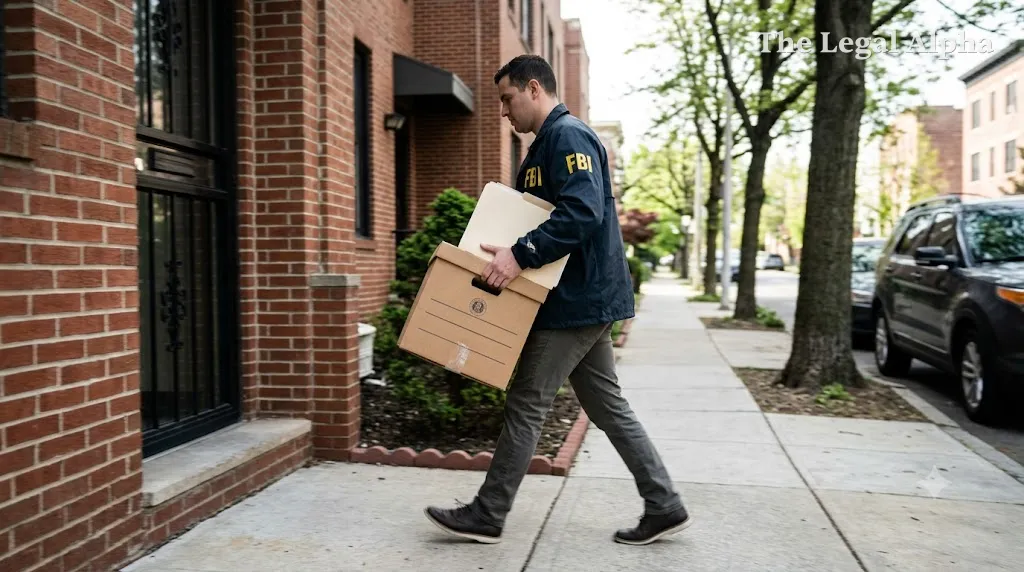
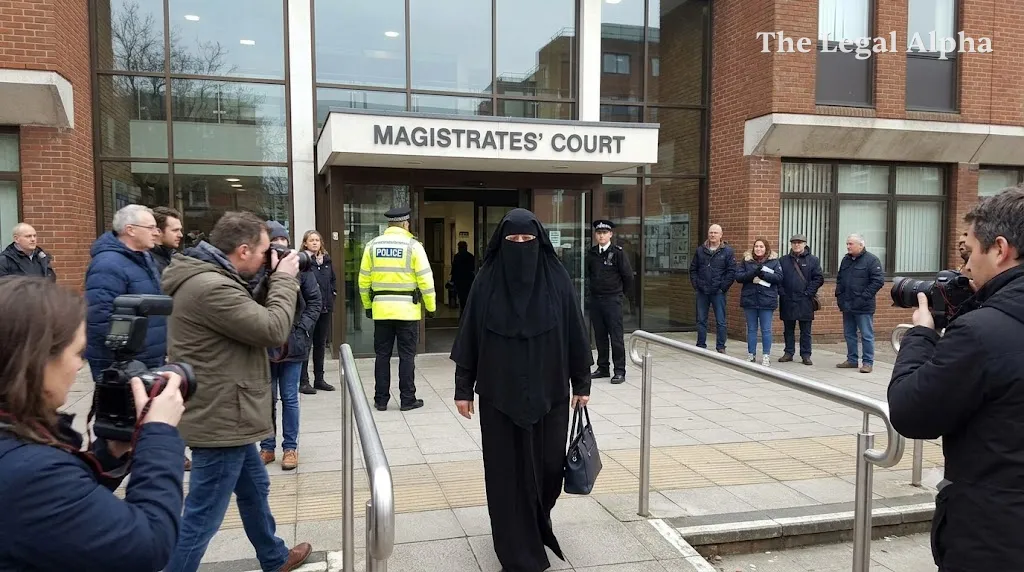
Federal law enforcement authorities have seized the personal mobile device of United States Representative Ilhan Omar and issued more than a dozen grand jury subpoenas directed at her relatives and associates. The investigative actions follow a court-authorized search carried out by federal agents at the Minnesota Democrat’s Washington, D.C., residence.
The subpoenas originate from a federal grand jury impaneled in Minnesota examining potential fraud and documentation irregularities connected to historical immigration paperwork. Concurrently, federal prosecutors have indicated that financial disclosure statements filed by the lawmaker are undergoing review. The execution of search warrants and grand jury subpoenas just weeks before national midterm elections has triggered heightened public scrutiny regarding the procedural norms governing federal investigative steps near election cycles.
Legal Topic
-
Area of Law: Criminal Law & Procedure
-
Sub-topic: Grand Jury Subpoenas / Search and Seizure / Immigration Fraud
Core Legal Issue
The primary legal issue concerns whether evidentiary probable cause supported the issuance of judicial search warrants for a sitting lawmaker’s home and digital devices, alongside whether the federal government possesses sufficient jurisdiction and evidence to substantiate potential criminal statutory violations—such as false statements or immigration fraud—governed by federal criminal codes.
A secondary legal and constitutional consideration involves the standards regulating grand jury inquiries and whether overt prosecutorial actions executed immediately prior to an election adhere to internal Department of Justice policy guidelines designed to prevent undue electoral interference.
What Did the Court / Authority Decide?
No formal indictment, trial verdict, or final judicial disposition has been issued in the matter. A federal magistrate or district court judge previously reviewed and approved search warrant applications authorizing the seizure of electronic devices and physical records upon a finding of probable cause.
The grand jury process in Minnesota remains active and secret pursuant to federal procedural rules. The grand jury is presently receiving testimony and subpoenaed documentation to evaluate whether the evidentiary threshold justifies returning an indictment.
Key Legal Points
-
Probable Cause Threshold for Electronic Seizures: To seize personal communications and digital devices, federal investigators must convince a neutral magistrate that probable cause exists indicating the device contains evidence, fruits, or instrumentalities of specified federal crimes.
-
Grand Jury Subpoena Power: A grand jury operates with broad investigative authority under federal law, permitting the issuance of subpoenas duces tecum and subpoenas ad testificandum to compel testimony and documents without requiring a preliminary showing of probable cause.
-
DOJ Election-Year Sensitivities ("60-Day Rule"): Unwritten but historically observed Department of Justice policies caution prosecutors against taking overt, public investigative steps against political candidates within a 60-day window before an election to avoid influencing democratic outcomes.
-
Separation of Allegations from Guilt: Executing search warrants and issuing grand jury subpoenas represent unilateral fact-gathering stages; they do not establish criminal culpability or equate to formal charges.
Relevant Law
-
Fourth Amendment to the U.S. Constitution: Protects individuals against unreasonable searches and seizures and requires judicial warrants supported by probable cause.
-
Rule 6 and Rule 17 of the Federal Rules of Criminal Procedure: Govern grand jury secrecy, proceedings, and subpoena issuance for witnesses and physical evidence.
-
18 U.S.C. § 1001: False statements statute penalizing willful, material misstatements made within the jurisdiction of the executive, legislative, or judicial branch of the federal government.
-
18 U.S.C. § 1546: Fraud and misuse of visas, permits, and other immigration documents.
Arguments of the Parties
Federal Authorities / Department of Justice Federal law enforcement officials have contended that the investigation is a standard exercise of statutory oversight into potential criminal wrongdoing. Prosecutors emphasize that if evidence establishes violations of federal law regarding immigration submissions or financial disclosure filings, the government has an institutional mandate to pursue accountability regardless of an individual's legislative standing.
Representative Ilhan Omar and Legal Representation Representative Omar and allied lawmakers have characterized the investigative actions as an abuse of state power and an unlawful political vendetta aimed at intimidating an elected official ahead of the midterm elections. Omar contends that the allegations are unsubstantiated, historically repetitive smears, asserting that the deployment of federal law enforcement just prior to an election violates established procedural traditions.
Why Does It Matter?
This development highlights the fragile intersection of federal criminal investigative powers and democratic electoral processes. The seizure of a lawmaker’s electronic communications tests constitutional safeguards surrounding digital privacy and legislative protections.
Furthermore, executing overt investigative actions against candidates during an election season tests the Department of Justice's institutional neutrality. For the public and legal practitioners, the matter underscores the extraordinary scope of federal grand jury investigations and how procedural decisions by prosecutors can intersect directly with constitutional norms and public administration.
Legal Takeaway
Search warrants and grand jury subpoenas are investigatory instruments that require judicial authorization or statutory process, but they do not establish guilt or constitute a criminal indictment. In high-profile matters involving public officials, the legal process hinges on whether prosecutors can substantiate probable cause with admissible evidence while adhering strictly to statutory standards and procedural fairness.
Sources
Primary Source:
-
Official filings and statements regarding grand jury subpoena issuance and warrant execution, United States District Court / U.S. Department of Justice.
Additional Sources:
-
Associated Press investigative reports on the federal inquiry into Rep. Ilhan Omar.
-
Public statements and disclosures by the U.S. Attorney's Office and Office of Rep. Ilhan Omar.