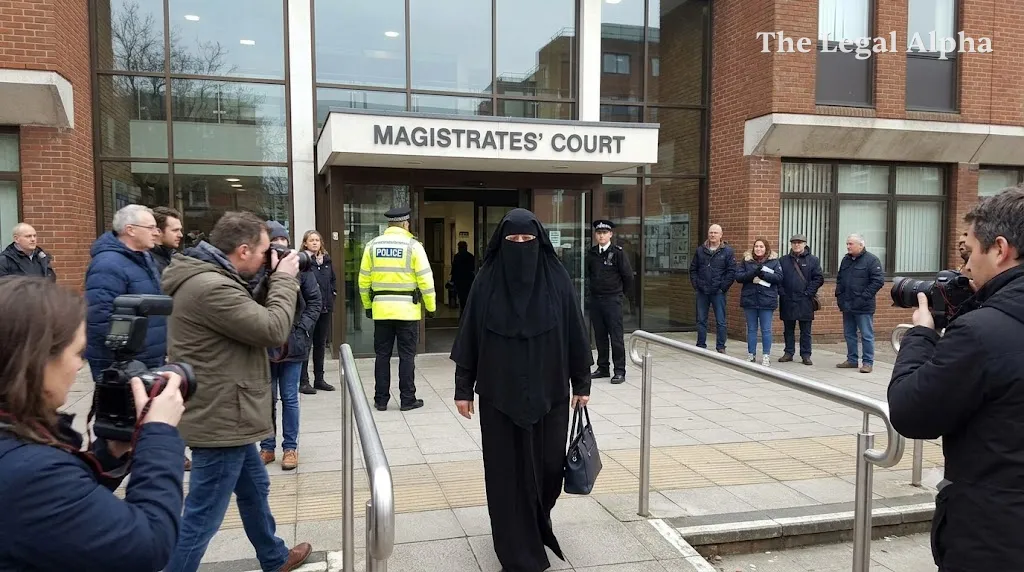
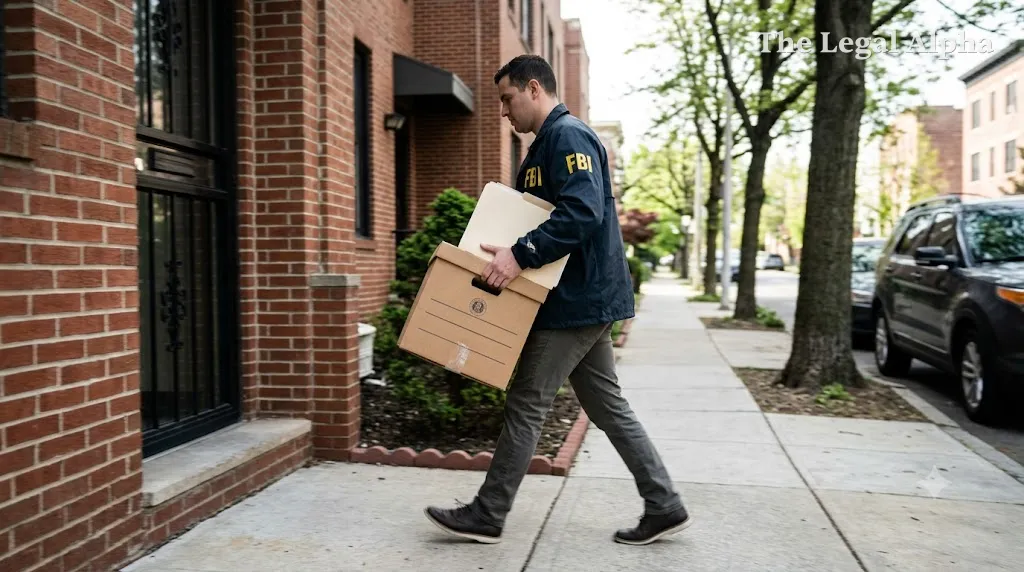
Constitutional Safeguards and Statutory Boundaries: Examining Executive Authority Ahead of the 2026 U.S. Midterms
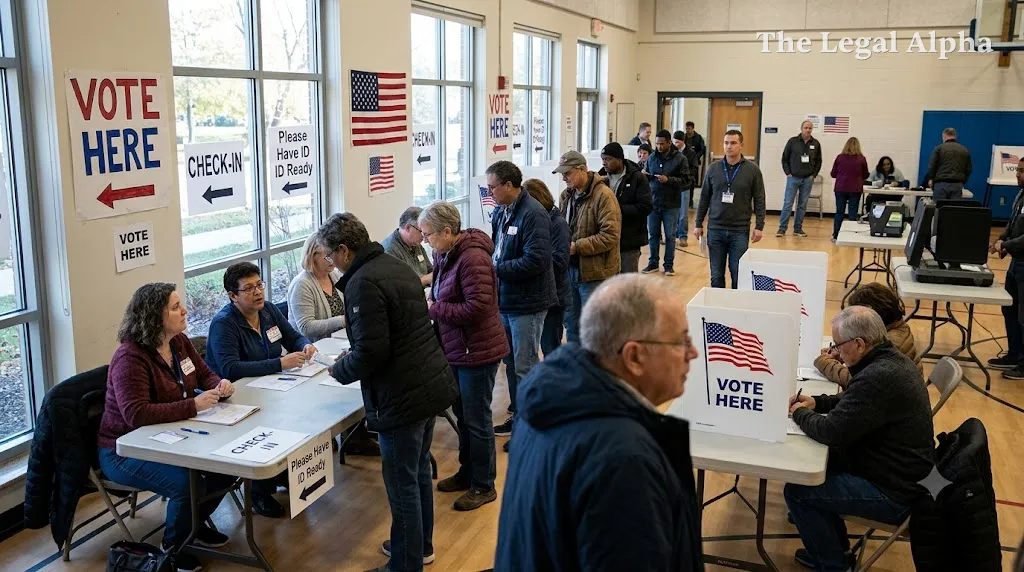
Legal scholars, voting rights attorneys, and election administrators have intensified scrutiny over the legal boundaries governing federal executive intervention in state-run elections ahead of the November 2026 congressional midterms. Drawing on statutory frameworks and procedural protocols, election integrity specialists have outlined critical friction points where executive power could run up against state election machinery. These flashpoints encompass potential executive assertions of authority to deploy federal observers or armed law enforcement near polling sites, use emergency statutes to intervene in local counting, or pressure state canvassing boards during the certification process. The analysis is particularly newsworthy because it delineates the constitutional firewalls that restrict federal overreach into decentralized state and county election processes.
Legal Topic
Area of Law: Constitutional Law / Election Law
Sub-topic: Federalism, Executive Authority Limits, and Election Administration Safeguards
Core Legal Issue
The core legal question centers on the scope and limits of presidential and executive authority to intervene in federal elections administered by individual states under the Elections Clause of the U.S. Constitution. Specifically, the issue examines whether the Executive Branch possesses statutory or constitutional latitude to deploy federal personnel, initiate criminal inquiries to halt ballot certification, or challenge state administrative determinations without violating federal prohibitions against armed forces at polling stations and voter intimidation.
What Did the Court / Authority Decide?
Because these scenarios represent legal vulnerability assessments rather than a single unified judicial ruling, no blanket judgment has been rendered. However, established legal standards, statutory bars, and recent court precedents establish clear administrative parameters:
-
Reaffirmation of State Authority: Federal and state courts have consistently held that the administration, counting, and initial certification of congressional elections remain strictly within state statutory jurisdiction under Article I, Section 4.
-
Statutory Barriers to Armed Deployment: Federal law explicitly bars the stationing of military forces or armed federal agents at polling places, and defense officials have reiterated that the military has no mandate to seize voting machinery or station personnel at ballot sites.
-
Interim Status: While administrative protocols permit Department of Justice civil rights monitors, such observers are legally constrained to monitoring compliance with federal voting rights acts and lack the legal power to alter ballot counts, seize tabulators, or delay certified returns.
Key Legal Points
-
Decentralized Constitutional Structure: Under the Elections Clause (Article I, Section 4, Clause 1), the "Times, Places and Manner" of holding elections for Senators and Representatives are prescribed by state legislatures, leaving federal authority limited to express acts of Congress rather than unilateral executive decrees.
-
Prohibitions Against Armed Intimidation: 18 U.S. Code § 592 criminalizes the stationing of armed federal troops or civil officers at any place where an election is held, establishing a stringent statutory shield against physical federal intervention.
-
Posse Comitatus and Emergency Powers: The Posse Comitatus Act sharply curtails the domestic deployment of armed forces for law enforcement purposes, and legal consensus holds that invocation of the Insurrection Act cannot bypass independent statutory prohibitions on voter intimidation or election interference.
-
Mandatory Duty to Certify: Canvassing and certification by local and state boards are ministerial duties; officials cannot legally withhold certification based on unverified allegations of irregularities without specific statutory authority or a judicial injunction.
Relevant Law
-
U.S. Constitution, Article I, Section 4, Clause 1 (The Elections Clause): Grants primary authority over election mechanics to state legislatures, subject to congressional alteration.
-
18 U.S. Code § 592: Prohibits troops or armed federal officers at polls.
-
18 U.S. Code § 594: Prohibits intimidation of voters.
-
The Posse Comitatus Act (18 U.S.C. § 1385): Restricts the use of the military to execute civil domestic laws.
-
The Insurrection Act (10 U.S.C. §§ 251–255): Governs statutory presidential authority to deploy forces domestically during armed uprisings or civil unrest.
-
Voting Rights Act of 1965 (52 U.S.C. § 10301 et seq.): Governs federal monitoring and protects against discriminatory practices and denial of voting rights.
Arguments of the Parties
Proponents of Broad Executive Authority
Proponents of aggressive executive oversight argue that the President has a constitutional mandate under Article II to "take Care that the Laws be faithfully executed," which includes enforcing federal election statutes and preventing alleged fraud. They contend that federal monitoring operations and civil rights inquiries are lawful administrative tools designed to safeguard ballot integrity and ensure full transparency across local jurisdictions.
State Administrators and Civil Rights Advocates
State election officials and voting rights advocates contend that unilateral executive attempts to inject federal agents, criminal probes, or military personnel into state polling environments violate core federalism principles and express statutory bans. They argue that state administrative procedures—incorporating auditable paper trails, public pre-election testing, and bipartisan canvassing—provide comprehensive legal protections that executive interventions would unlawfully subvert.
Why Does It Matter?
This analysis highlights the operational resilience of decentralized election systems under the U.S. Constitution. By distinguishing permissible federal oversight (such as passive statutory civil rights monitoring) from illegal executive encroachment (such as armed posturing or extrajudicial tampering with certification), the framework reinforces the rule of law for both local administrators and the public. For legal practitioners and public officials, it underscores that the certification of election results remains a non-discretionary, judicially enforceable legal duty designed to resist administrative and political coercion.
Legal Takeaway
Under the U.S. constitutional framework, election administration is fundamentally reserved to the states, and unilateral federal executive interference is strictly curtailed by federal statutes prohibiting troops at the polls and voter intimidation. State canvassing boards hold a mandatory duty to certify lawful returns, leaving disputes to be resolved through evidentiary proceedings in the courts rather than through executive fiat.
Sources
Primary Source:
-
U.S. Constitution (Article I, § 4; Article II, § 3); Title 18, United States Code §§ 592, 594, 1385; Title 10, United States Code §§ 251–255; Title 52, United States Code (Voting Rights).
Additional Sources:
-
Reuters Special Report & Investigation: Election Administration Scenarios and Safeguards (October 2026).
-
U.S. Department of Defense and Department of Justice Administrative Guidance on Election Monitoring and Civil Rights Protections.