Civil Suit Filed Against YouTuber Dhruv Rathee Over Video on Hindu Deities; Plaintiff Seeks Permanent Injunction and ₹50 Lakh in Damages
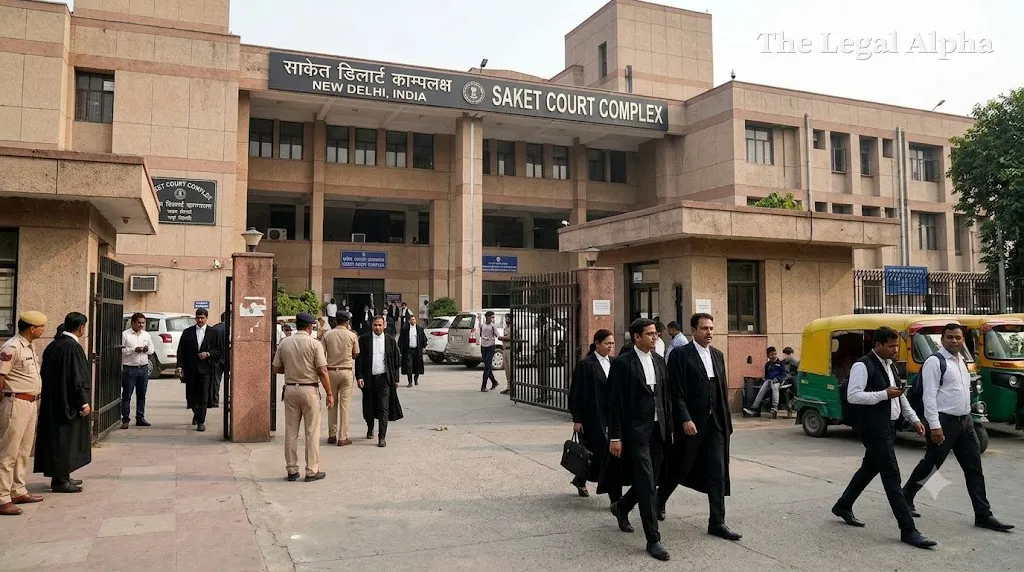
A civil suit has been instituted before the Saket District Court in New Delhi against YouTuber and digital content creator Dhruv Rathee. The plaintiff, an advocate representing Hindu devotees, contends that an explanatory video published across Rathee's social media channels regarding Hindu dietary practices and deities contains assertions that hurt religious sensibilities and lower the dignity of revered figures.
The plaint seeks declaratory relief, a permanent restraint order prohibiting the dissemination or re-uploading of the contested content, and ₹50 lakh in damages. Following initial submissions, the trial court listed the matter for further proceedings and consideration on November 5.
Legal Topic
Area of Law: Civil Law / Media & Defamation Law
Sub-topic: Civil Defamation, Restraint Injunctions, and Digital Content Intermediaries
Core Legal Issue
The primary legal inquiry centers on whether a devotee or individual citizen maintains the actionable civil standing to claim damages and injunctive relief for civil defamation allegedly directed at religious deities and collective religious traditions.
The court must assess whether the disputed statements surpass the constitutional protections of free speech, academic discussion, or commentary under Article 19(1)(a) of the Indian Constitution, and whether a blanket injunction barring online discourse or ordering damages meets the stringent tripartite test governing civil injunctions.
What Did the Court Decide?
The Saket District Court has not entered a final decree or granted ex-parte emergency injunctions at this initial stage. The court entertained the filing and listed the proceedings for November 5 for preliminary scrutiny and consideration of interim prayers.
The substantive allegations and the viability of the relief sought remain pending adjudication.
Key Legal Points
-
Threshold of Defamation Against Deities: Defamation in tort and civil law fundamentally redresses harm to the personal reputation of an individual or identifiable legal person; claims asserting injury to collective faith through civil defamation remain a highly contested and narrow legal remedy.
-
Application of Injunctive Tests: To warrant pre-trial suppression of digital speech, the plaintiff must satisfy the traditional legal standard: a prima facie case, balance of convenience, and demonstration of irreparable injury.
-
Redirection of Civil Damages: The plaintiff requested that any damages awarded by the court be deposited and redirected toward temple upkeep and public religious welfare, raising questions regarding the nature of restitution in tort claims.
-
Intermediary and Re-upload Obligations: The suit implicates digital dissemination standards, especially where content removed or scrutinized under regulatory grievance procedures resurfaces on alternative portals.
Relevant Law
-
Code of Civil Procedure, 1908 (CPC): Section 9 (Courts to try all civil suits unless barred) and Order XXXIX, Rules 1 and 2 (Temporary injunctions and interlocutory orders).
-
Specific Relief Act, 1963: Sections 38 and 39 (Perpetual and mandatory injunctions).
-
Constitution of India: Article 19(1)(a) (Freedom of speech and expression) read with Article 19(2) (Reasonable restrictions).
-
Information Technology Act, 2000 & IT Rules, 2021: Guidelines on digital content removal, publisher obligations, and intermediary takedown mechanisms.
Arguments of the Parties
Plaintiff / Applicant
-
Submitted that the video contains remarks concerning Bhagwan Shri Ram, Sita Maa, and Bhagwan Shri Krishna that severely demean their dignity, sanctity, and public estimation.
-
Argued that the publication of such material in permanent digital form constitutes actionable civil injury and deliberately offends the religious sentiments of millions of practicing devotees.
-
Urged the court to issue a restraining decree against further distribution and requested that ₹50 lakh in damages be directed to the maintenance of relevant temples and public welfare purposes.
Respondent / Defense
-
Formal defense pleadings are pending before the court; however, standard defenses in such digital speech challenges assert the fundamental right to free expression, analytical commentary, and the absence of malicious intent.
-
Prior precedents maintain that hurting sentiments alone does not automatically equate to common law defamation, and prior restraint on speech must strictly adhere to the high thresholds established by the Supreme Court of India.
Why Does It Matter?
This litigation underscores a growing friction between online public commentary and civil jurisprudence in India. While complaints alleging hurt religious feelings are typically routed through criminal law under provisions regulating public order and harmony, utilizing civil suits for defamation and injunctive censorship presents a different legal paradigm.
If lower courts begin recognizing individual devotees as competent plaintiffs entitled to seek civil damages for statements made about historical or religious figures, it could open a wide avenue for civil litigation targeting authors, commentators, and digital creators. Conversely, the matter highlights the scrutiny internet platforms face when controversial socio-theological content is circulated to wide digital audiences.
Legal Takeaway
A civil claim for defamation requires establishing identifiable legal harm to reputation, making disputes involving religious sentiments legally difficult to sustain under traditional tort principles. Until the Saket Court decides the interim relief application, the matter serves as a test case for whether civil injunctions can be effectively leveraged against digital commentary concerning faith and historical figures.
Sources
Primary Source:
-
Plaint and proceedings before the Court of the Civil Judge / District Court, Saket Courts Complex, New Delhi (Listed for hearing on November 5).
Additional Sources:
-
News filings and agency reports via Asianet Newsable and Republic World (October 14, 2026).