NEET-UG Paper Leak Probe: CBI Files Final Chargesheet, Exonerates Government and NTA Officials
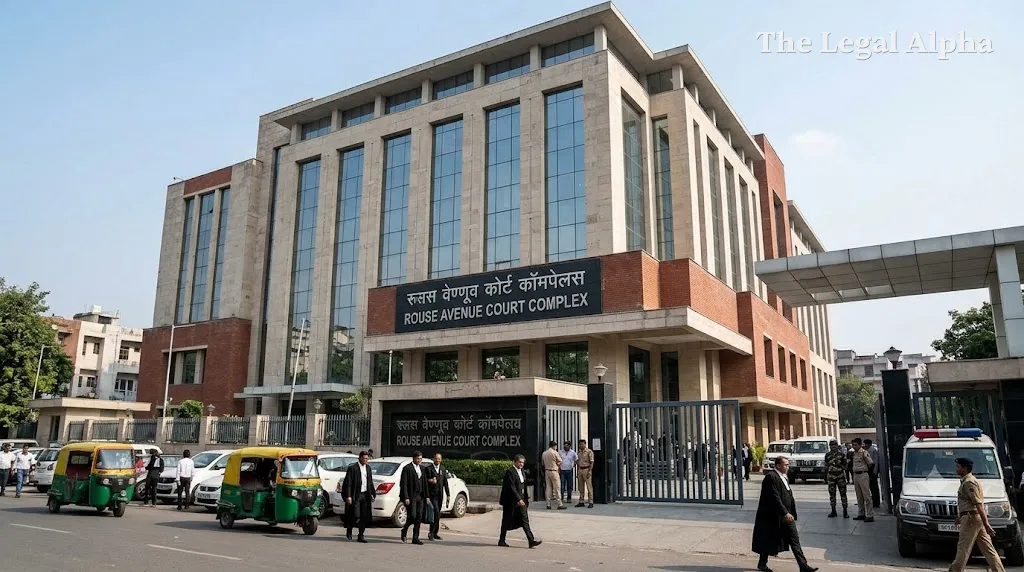
India’s Central Bureau of Investigation (CBI) has submitted a supplementary chargesheet before a special court in New Delhi concerning the leak of the National Eligibility cum Entrance Test (NEET-UG) question paper. The investigative agency’s findings concluded that there is no evidence establishing any criminal complicity or collusion on the part of government officials or permanent employees of the National Testing Agency (NTA).
The latest filing names an additional private accused person (Accused No. 14) and incorporates comprehensive forensic reports into the case record. This step follows nationwide scrutiny and the cancellation of the original test after leaked question sets were confirmed to match the actual exam material.
Legal Topic
Area of Law: Criminal Law / Education & Academic Integrity Law Sub-topic: Examination Malpractices / Fraud and Criminal Conspiracy in Public Exams
Core Legal Issue
The legal dispute centers on delineating criminal liability in national-level examination breaches: specifically, whether the breach stemmed from institutional corruption and criminal conspiracy within the testing authority (NTA), or whether it was an external operation executed by contracted subject-matter experts, intermediaries, and private coaching networks.
What Did the Court / Authority Decide?
-
The supplementary chargesheet was submitted and accepted before the designated Special Fast Track Court at the Rouse Avenue Courts Complex in New Delhi.
-
The CBI established that no permanent officials from the NTA or the Ministry of Education were criminally involved in the leaks.
-
The special court scheduled subsequent hearings to formally consider charges against the newly added accused and the remaining individuals named in the probe.
Key Legal Points
-
Demarcation of Liability: Criminal prosecution has been focused strictly on 14 accused parties, including three third-party subject matter experts engaged on contract by the NTA, alongside external touts and coaching center associates.
-
Absence of Institutional Collusion: The prosecution concluded there was no prima facie proof of active conspiracy, willful negligence amounting to criminal intent, or bribery involving public servants.
-
Special Procedural Framework: Proceedings are moving forward under the anti-cheating provisions outlined in the Public Examinations (Prevention of Unfair Means) Act, alongside general penal provisions.
-
Forensic and Documentary Evidence: The CBI anchored its case on laboratory analysis, digital forensics, and witness testimony to establish a clear chain of custody showing where the breach took place outside official offices.
Relevant Law
-
Public Examinations (Prevention of Unfair Means) Act, 2024: Key legislation governing unauthorized disclosure, paper leaks, and organized unfair practices during public and entrance examinations.
-
Indian Penal Code / Bharatiya Nyaya Sanhita (BNS): Statutory provisions addressing cheating, criminal breach of trust, and criminal conspiracy.
Arguments of the Parties
-
The Prosecution (CBI): The CBI submitted that the leakage occurred through external breaches involving contracted question preparers and outside networks of middlemen. The agency affirmed that technical and physical evidence shows no inside collaboration or authorization from NTA administration.
-
The Defense / Accused: Defense counsel for certain implicated persons argued that the investigation suffers from procedural gaps in the chain of custody and claimed that private contractors and intermediaries are being singled out to shield broader systemic oversights.
Why Does It Matter?
This filing draws a clean legal line between administrative failure and criminal conspiracy. While the National Testing Agency has faced widespread administrative scrutiny and institutional restructuring, this outcome removes direct criminal liability from state officials. Furthermore, it marks a significant test case for India’s newer statutory framework penalizing cheating and organized fraud, establishing that contracted experts and outside intermediaries can be held directly liable under stringent anti-leak provisions.
Legal Takeaway
The CBI’s final chargesheet confirms that the NEET-UG paper leak was carried out by external networks and contracted experts rather than through internal institutional complicity. The critical legal takeaway is that independent contractors and external facilitators handling sensitive public exam materials are fully accountable as primary offenders under stringent academic integrity and penal statutes.
Sources
-
Primary Source: Supplementary Chargesheet filed by the Central Bureau of Investigation (CBI) before the Special Court, Rouse Avenue Courts Complex, New Delhi.
-
Additional Sources: Press statements by the CBI; Ministry of Education case filings; legal reportage from Hindustan Times and ABP Live.