Opposition Moves Supreme Court Seeking Judicial Audit and Due Process Safeguards in Special Intensive Revision of Electoral Rolls
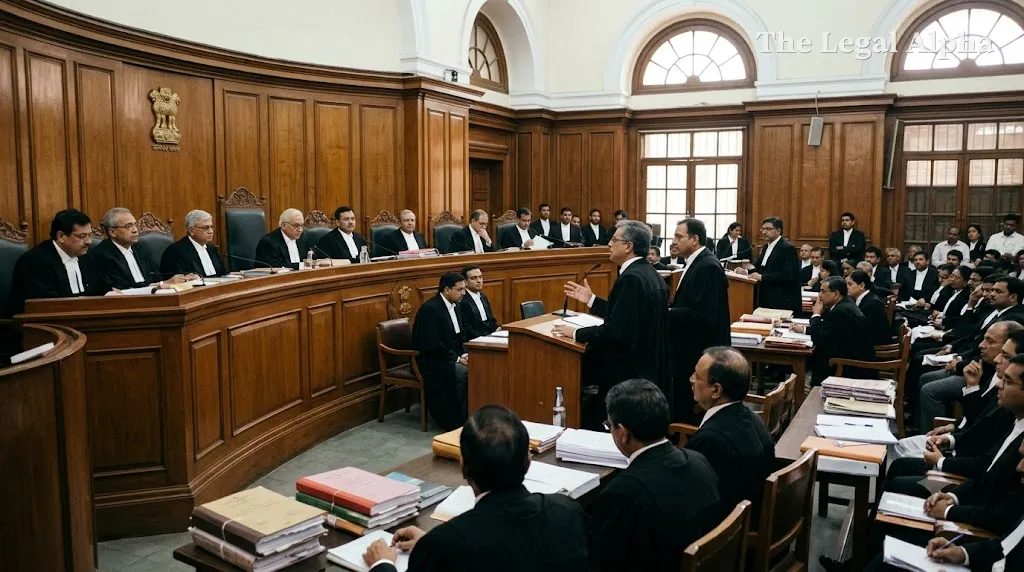
Leader of the Opposition in the Lok Sabha Rahul Gandhi, joined by ten other INDIA bloc leaders, has approached the Supreme Court of India challenging administrative procedures and widespread deletions under the Election Commission of India’s Special Intensive Revision (SIR) exercise.
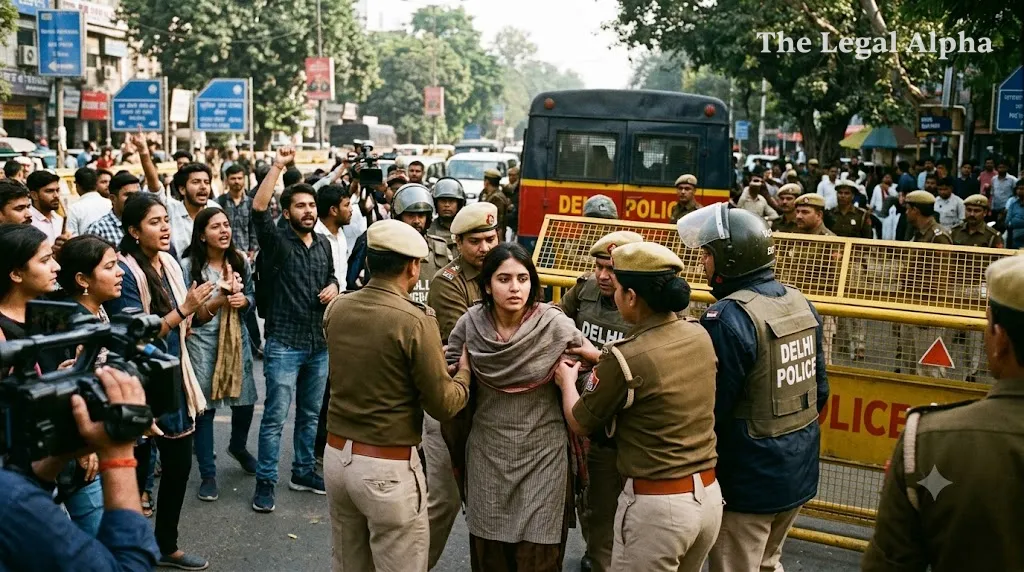
The petitioners contend that extensive voter deletions have taken place without following fundamental natural justice safeguards, such as individual advance notice or personal hearings before removal from the rolls. They are urging the apex court to mandate an independent forensic audit of electoral roll modifications, summon internal decision-making records of the poll body, and halt ongoing SIR operations across multiple states pending judicial review.
Legal Topic
-
Area of Law: Constitutional & Election Law
-
Sub-topic: Electoral Roll Integrity, Multi-Member Commission Governance, and Natural Justice
Core Legal Issue
The petition raises fundamental constitutional and statutory questions: Can the Election Commission summarily delete electors from voter rolls without adhering to statutory procedural fairness and principles of natural justice?
It further asks whether institutional decisions regarding nationwide Special Intensive Revisions satisfy the multi-member consensus governance framework mandated under Article 324 of the Constitution and governing election statutes, or whether administrative actions suffered from unilateral exercise of authority.
What Did the Court / Authority Decide?
The Supreme Court has registered and scheduled the writ petition for an initial hearing to examine the preliminary maintainability and urgency of the reliefs sought.
No final determination or binding directions on the merits have been issued yet. The matter remains at the pre-admission and preliminary hearing stage, where the bench will decide whether to issue formal notice to the Election Commission of India and consider prayers for interim relief, including the proposed stay on ongoing SIR activities.
Key Legal Points
-
Right to Fair Hearing in Electoral Inclusion: The petition asserts that the right to vote encompasses procedural safeguards against arbitrary disenfranchisement, requiring individualized notice and an opportunity to be heard before an entry is deleted from the electoral roll.
-
Institutional Governance of the Commission: Reliance is placed on constitutional jurisprudence establishing that the Election Commission operates as a collegial, multi-member body where decisions must reflect collective deliberation rather than unilateral executive direction.
-
Digital Transparency and Data Integrity: The petitioners request judicial scrutiny over backend audit trails, including access logs of ECINET and ERONET portals, to evaluate allegations of unauthorized batch processing or systemic procedural deviations.
-
Public Disclosure Mandate: The plea seeks directions requiring booth-level, disaggregated publication of deleted names accompanied by specific reasons for deletion.
Relevant Law
-
Constitution of India:
-
Article 324: Superintendence, direction, and control of elections vested in an independent Election Commission.
-
Article 14 & Article 21: Procedural fairness, protection against arbitrariness, and principles of natural justice.
-
Article 326: Universal adult suffrage and statutory basis for disqualification/entitlement.
-
-
Statutory Provisions:
-
Representation of the People Act, 1950: Sections 21, 22, and 23 governing preparation, revision, correction, and deletion of entries in electoral rolls.
-
Registration of Electors Rules, 1960: Rules governing claims, objections, summary revision, and the procedural mandate to issue notices before deletion.
-
Chief Election Commissioner and other Election Commissioners (Appointment, Conditions of Service and Term of Office) Act, 2023: Regulating commission meetings and transaction of business.
-
-
Judicial Precedent:
-
T.N. Seshan, Chief Election Commissioner of India v. Union of India (1995): Reaffirming the multi-member character of the Commission and establishing equality of status among the CEC and Election Commissioners.
-
Arguments of the Parties
Petitioners (Rahul Gandhi & Opposition Leaders) The petitioners argue that the Special Intensive Revision has led to large-scale deletions without adequate verification, infringing on citizens' democratic rights. They contend that removing voters without prior notice, reasoned orders, or an opportunity to defend eligibility violates both the Registration of Electors Rules and the bedrock principle of natural justice (audi alteram partem). Furthermore, they allege that major policy directions on roll revision were undertaken without following collegiate decision-making norms, thereby demanding an independent judicial audit and complete disclosure of Commission logs, agendas, and file notings.
Election Commission of India (Public Stance) While the Commission will formally place its counter-affidavit on record before the court, the poll panel has maintained in official communications that all voter roll revisions, including Special Intensive Revisions, are conducted strictly according to statutory procedure. The Commission asserts that draft electoral rolls are systematically shared with recognized political parties at local levels, objections are addressed within the statutory window, and decisions are taken collegially and unanimously by the three-member body to maintain roll accuracy and eliminate duplicate or deceased entries.
Why Does It Matter?
The petition touches upon the foundational integrity of representative democracy. At its core, the dispute balances administrative efficiency in purging ineligible, duplicate, or shifted electors with the constitutional necessity of protecting genuine citizens from wrongful disenfranchisement.
If the Supreme Court entertains the plea and issues procedural guidelines, it could establish a strict judicial standard for automated and intensive electoral roll revisions, mandating verifiable paper and digital audit trails. Conversely, the case will test the extent to which the judiciary will scrutinize the internal administrative autonomy and procedural discretion of the Election Commission during ongoing electoral preparation cycles.
Legal Takeaway
Electoral roll management is governed by statutory due process: arbitrary or summary removal of an elector without notice and a fair opportunity to contest the exclusion risks offending natural justice and constitutional guarantees. The upcoming proceedings will test whether the administrative autonomy of the Election Commission under Article 324 permits accelerated revisions without individualized hearings.
Sources
-
Primary Source: Writ Petition filed under Article 32 of the Constitution of India before the Supreme Court (Rahul Gandhi & Ors. v. Election Commission of India & Ors.).
-
Additional Sources: Supreme Court cause list notifications; Press statements and procedural guidelines issued by the Election Commission of India; T.N. Seshan v. Union of India (1995) 4 SCC 611.