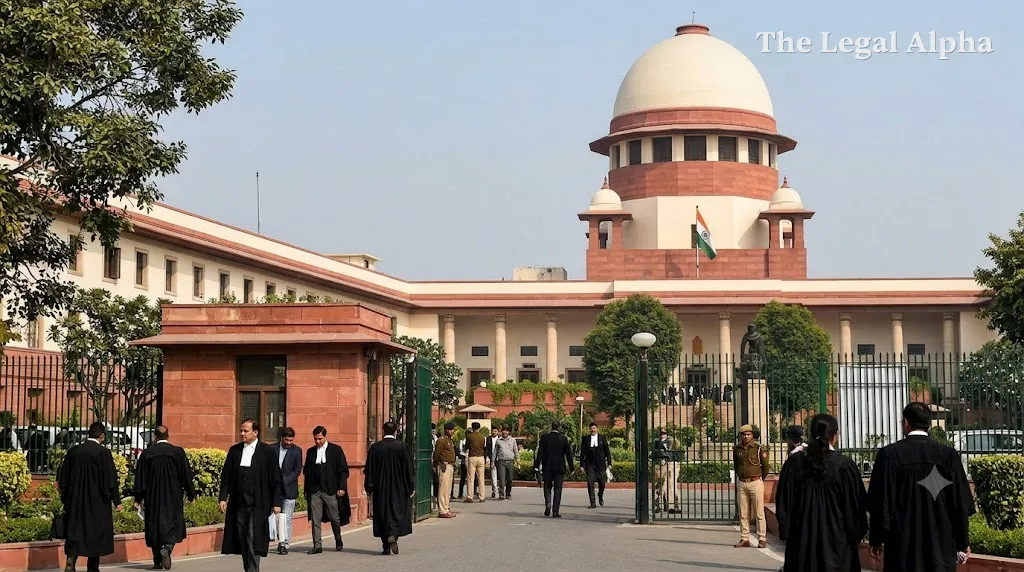
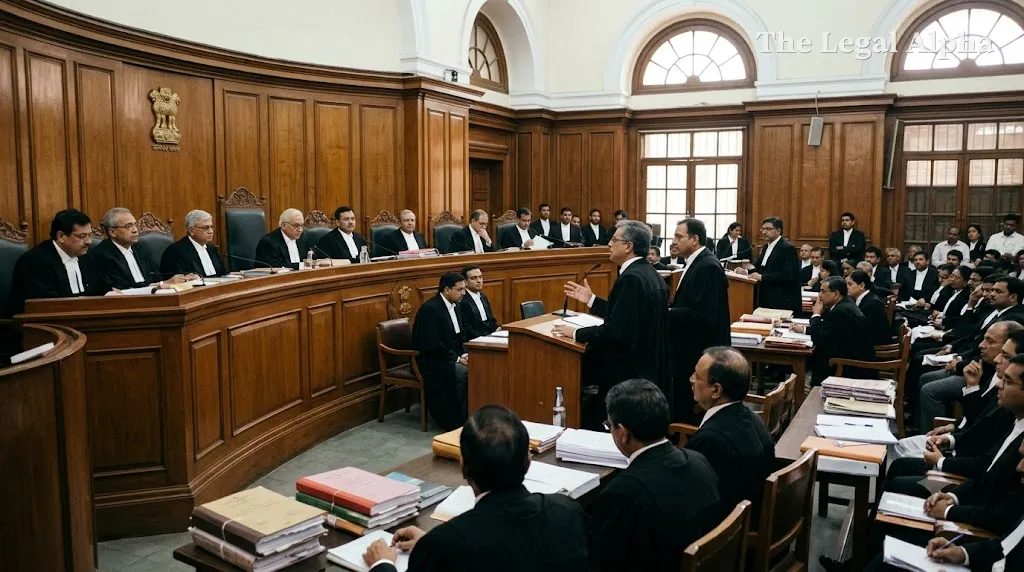
Supreme Court Weighs Relief for Deleted Delhi Voters Forced to File Form 6 as New Applicants
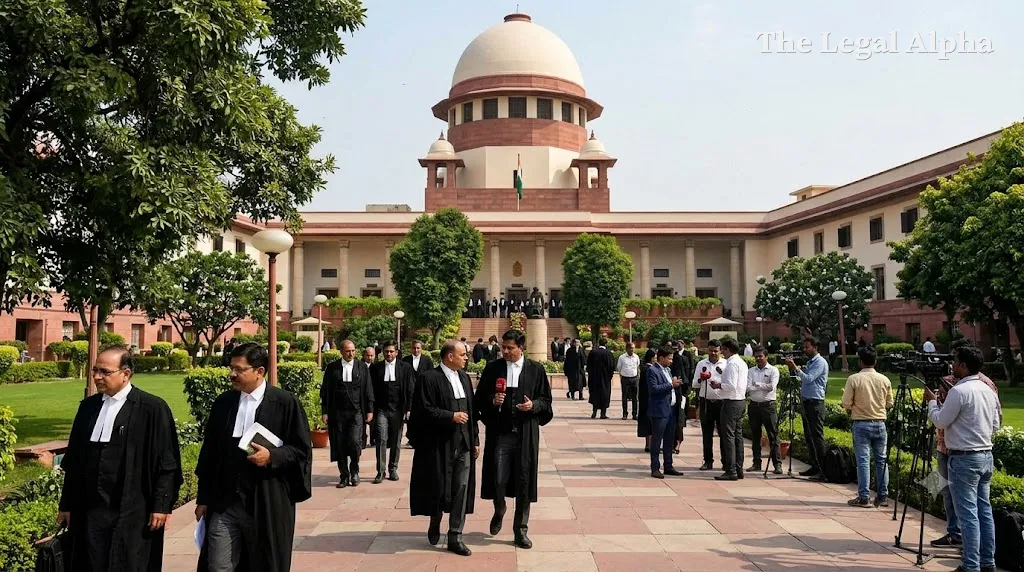
The Supreme Court of India stepped in after transparency activists flagged a procedural catch-22 confronting thousands of voters in Delhi. Under the ongoing Special Intensive Revision (SIR) of electoral rolls in the national capital, individuals whose names were summarily removed are being directed by election authorities to submit Form 6 to get their names reinstated.
However, Form 6 is statutorily designated for fresh, first-time applicants and requires a formal declaration stating that the individual has never been registered as an elector before. Submitting an untrue declaration under this provision triggers potential criminal prosecution and imprisonment under electoral law. When advocate Prashant Bhushan mentioned the urgency of the issue before a bench headed by Chief Justice of India Surya Kant, pointing out that the window to file claims and objections shuts on October 30, the Court assured counsel that it is considering passing an order to protect electors and advanced the hearing date to October 28.
Legal Topic
-
Area of Law: Election Law / Constitutional Law
-
Sub-topic: Electoral Roll Revisions / Voter Enrolment Procedures / Statutory Forms
Core Legal Issue
The primary legal controversy centers on whether the Election Commission of India (ECI) can lawfully compel previously enrolled voters—whose names were deleted during a revision exercise—to apply for re-inclusion through Form 6, an application meant exclusively for first-time electors.
This raises the constitutional and statutory question of whether administrative directives during special revisions can force citizens into signing factually incorrect declarations under risk of penal consequences, rather than routing their claims through appropriate avenues such as Form 8 or framing an authorized procedure under the governing rules.
What Did the Court Decide?
The Supreme Court did not dismiss the application or defer it beyond the statutory deadline; instead, it intervened to avert the plea from becoming infructuous.
The bench observed, "We are thinking of passing an order that will take care of it," reassuring petitioners that their concerns regarding criminal liability and disenfranchisement would be addressed. To grant substantive relief before the October 30 cut-off for filing claims and objections, the Court preponed the hearing of the main petition and the interlocutory application from October 30 to October 28. The core legal issues remain pending for adjudication on that date.
Key Legal Points
-
Penal Exposure under Statutory Declarations: Compelling a previously registered citizen to sign a declaration affirming they have never enrolled or voted before subjects them to criminal liability under Section 31 of the Representation of the People Act, 1950.
-
Misalignment of Statutory Forms: Form 6 is designed under the Registration of Electors Rules, 1960 for entry of first-time voters, whereas Form 8 governs correction, shifting, or transposition; re-registration through Form 6 ignores an existing elector's historical voting record.
-
Validity of Executive Additions to Rule-Based Forms: The petitioners challenged additional declarations introduced through administrative guidelines, questioning whether executive instructions can amend or supplement statutory forms without following parliamentary laying procedures under Section 28 of the 1950 Act.
-
Protection Against Procedural Disenfranchisement: The Court took note of the fast-approaching claim deadline to ensure legitimate voters are not excluded simply due to contradictory procedural demands from election authorities.
Relevant Law
-
Section 31, Representation of the People Act, 1950: Makes making a false declaration in connection with the preparation or revision of electoral rolls punishable with imprisonment, fine, or both.
-
Section 28, Representation of the People Act, 1950: Prescribes the rule-making power of the Central Government in consultation with the Election Commission, requiring notifications and parliamentary tabling.
-
Rule 13 & Rule 26, Registration of Electors Rules, 1960: Prescribe the statutory forms (Form 6, Form 7, Form 8) used for claims, objections, deletions, and corrections in voter rolls.
-
Article 324 & Article 326 of the Constitution of India: Govern the superintendence and conduct of elections and the fundamental right of adult franchise.
Arguments of the Parties
Petitioners
Appearing for transparency activists Anjali Bhardwaj and Amrita Johri, advocate Prashant Bhushan contended that asking deleted voters to fill Form 6 places citizens in legal jeopardy. The petitioners argued that Form 6 requires applicants to assert that they have never previously been enrolled or voted. Submitting this under duress exposes existing voters to penal prosecution for false statements under Section 31 of the Representation of the People Act. The petitioners submitted that the Election Commission should either allow such electors to apply using Form 8 (which accounts for shifted voters) or issue a separate, tailored mechanism to restore their names without demanding untrue declarations.
Respondents
The Election Commission of India has maintained that the Special Intensive Revision in Delhi is a targeted exercise intended to purge duplicate entries, logical discrepancies, and untraceable electors to ensure a verified, authentic roll. While opposing interim stay applications in earlier hearings, the Commission defended its administrative procedures as necessary to uphold verification standards, arguing that claims and objections remain open to any aggrieved person up to the designated revision deadline.
Why Does It Matter?
This dispute highlights a recurrent flaw in Indian electoral roll management: administrative rules clashing with statutory forms. When massive sanitization exercises like Delhi's SIR delete electors under automated algorithmic flags or "logical discrepancies," procedural pathways to get restored must be legally sound.
If the Supreme Court formally directs the ECI to modify the process or accept Form 8 for deleted voters, it will establish an essential precedent. Such a directive would prevent the executive from forcing citizens into choosing between giving up their constitutional voting franchise or signing legally vulnerable false declarations under threat of criminal prosecution. Furthermore, it sets strict boundaries on whether the Election Commission can unilaterally alter registration obligations through administrative notices without amending the Registration of Electors Rules.
Legal Takeaway
Electoral administrators cannot compel previously registered citizens to sign false declarations reserved for first-time voters as a condition to restore their names to the voter list. Administrative guidelines cannot override the Registration of Electors Rules or force citizens into self-incriminating, legally vulnerable positions under the Representation of the People Act.
Sources
-
Primary Source: Record of Proceedings / Mentioning before the Supreme Court of India in Anjali Bhardwaj & Anr. v. Election Commission of India & Anr. (Writ Petition (Civil) No. 1188 of 2026), bench comprising Chief Justice Surya Kant and Justice Joymalya Bagchi.
-
Additional Sources: The Representation of the People Act, 1950 (Sections 28 & 31); The Registration of Electors Rules, 1960 (Forms 6 & 8); Election Commission of India Delhi SIR notifications.