Supreme Court Intervenes in Andhra Pradesh Local Polls, Directs Extension of Nominations Across 19 Municipalities
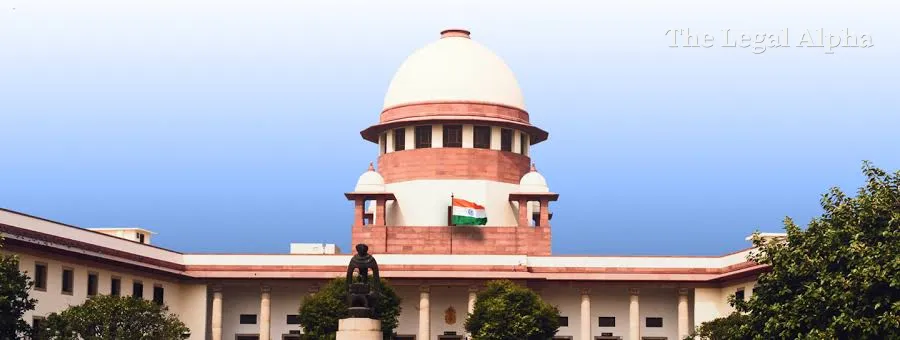
The Supreme Court of India intervened in the ongoing urban local body elections in Andhra Pradesh, directing the State Election Commission (SEC) to extend the window and accept fresh nomination papers in 19 municipalities and nagar panchayats. The order came after the principal opposition party, the Yuvajana Sramika Rythu Congress Party (YSRCP), moved the top court alleging widespread intimidation, physical obstruction, and administrative barriers preventing their candidates from filing nomination papers.
The court stepped in on the deadline date scheduled for candidate list publication, directing that the final candidate roster be deferred by at least two days to ensure all willing contestants get an unimpeded opportunity to file.
Legal Topic
-
Area of Law: Constitutional Law / Election Law
-
Sub-topic: Local Self-Government Elections / Judicial Review of Electoral Process
Core Legal Issue
The fundamental legal question before the Supreme Court was whether constitutional courts can intervene in an ongoing electoral timeline when substantial allegations show that candidates from an opposition party are forcibly prevented from participating in the nomination process.
The issue required balancing the long-established doctrine of judicial non-interference under Article 243-ZG / Article 329—which mandates that election schedules must not be stalled once set in motion—against the court's constitutional duty to ensure free, fair, and participatory democratic elections.
What Did the Court / Authority Decide?
The bench held that constitutional courts cannot remain passive spectators when substantial material indicates that opposition candidates are prevented from exercising their right to contest.
-
Directed the State Election Commission to allow fresh filings and extend the nomination process specifically across the 19 contested municipal bodies.
-
Directed the election authorities to postpone the publication of the final list of contesting candidates by at least two days to accommodate the extended process.
-
Reaffirmed that while the general schedule of elections should proceed, adequate safeguards, including verification of candidate security and CCTV preservation, must be strictly enforced.
-
Listed the matter for further review and compliance reporting on October 26, 2026.
Key Legal Points
-
Doctrine of Necessity vs. Constitutional Custodianship: While judicial deference ensures election schedules are not mired in endless litigation, constitutional courts remain the ultimate custodians of democratic values and fair elections.
-
Integrity of Nominations: The right to contest through filing nominations is an indispensable prerequisite for a free and fair electoral exercise; muting judicial review at the threshold stage defeats democratic legitimacy.
-
Targeted Interim Relief: Rather than staying the entire statewide election mechanism, the court exercised proportional judicial intervention restricted specifically to the 19 affected urban local bodies.
-
State Election Commission's Neutral Mandate: As an independent constitutional authority under Article 243K, the SEC must actively eliminate physical and administrative hindrances faced by candidates across party lines.
Relevant Law
-
Constitution of India, Article 243ZA / Article 243K: Powers and superintendence of elections to Municipalities and Panchayats vested in the State Election Commission.
-
Constitution of India, Article 243ZG: Bar to interference by courts in electoral matters (and its constitutional limits regarding threshold democracy).
-
Constitution of India, Article 32 / Article 142: Inherent powers of the Supreme Court to issue directions ensuring complete justice and upholding democratic norms.
-
Relevant Precedents: Election Commission of India v. Ashok Kumar (2000) — establishing that judicial intervention subserving the progress of an election to facilitate a fair vote is permissible, whereas orders stalling or postponing elections are discouraged.
Arguments of the Parties
Petitioner (YSRCP)
The petitioner argued that ruling party workers, with alleged administrative collusion, forcibly prevented opposition candidates from obtaining necessary certificates (such as caste and no-due certificates) and physically blocked them from entering returning offices to file papers. They submitted contemporaneous representations filed prior to and during the nomination process demonstrating systemic suppression, resulting in uncontested walkovers, and urged the court to stay declaring results or mandate fresh nominations.
Respondent (State Authorities & Election Commission)
The respondents submitted that the electoral process had already been formally notified and set in motion, invoking the established precedent that courts should not alter timelines midway. They contended that the SEC had put in place adequate administrative mechanisms—including district observers and expedited certificate issuances—and argued that any individual candidate grievances must be raised post-election via statutory election petitions rather than halting the ongoing schedule.
Why Does It Matter?
This intervention provides a significant blueprint for how constitutional courts can address pre-poll booth and nomination sabotage without halting an entire election cycle. In local body elections across Indian states, opposition parties frequently allege local-level administrative capture that leads to manufactured "unanimous" victories.
By distinguishing between orders that derail an election and orders that facilitate broader democratic participation, the Supreme Court demonstrated that the constitutional bar under Article 243ZG does not grant election administrators total immunity from judicial scrutiny when the basic integrity of candidate nominations is compromised.
Legal Takeaway
The constitutional bar against judicial interference in ongoing elections does not strip the Supreme Court of its power to intervene when candidates are systematically blocked from filing nominations. Courts can issue tailored procedural directions—such as extending nomination windows—to safeguard electoral fairness without derailing the overall polling schedule.
Sources
-
Primary Source: Supreme Court of India Order / Proceedings in YSRCP v. State Election Commission, Andhra Pradesh & Ors. (Bench presided over by CJI; Order dated October 21, 2026).
-
Additional Sources: Andhra Pradesh State Election Commission Local Body Election Notifications and Schedule (October 2026); Law report coverage by Verdictum and regional press updates (October 21, 2026).