Meghalaya Shifts Prolonged Birth and Death Registrations to Judicial Magistrates Under Amended Statutory Regime
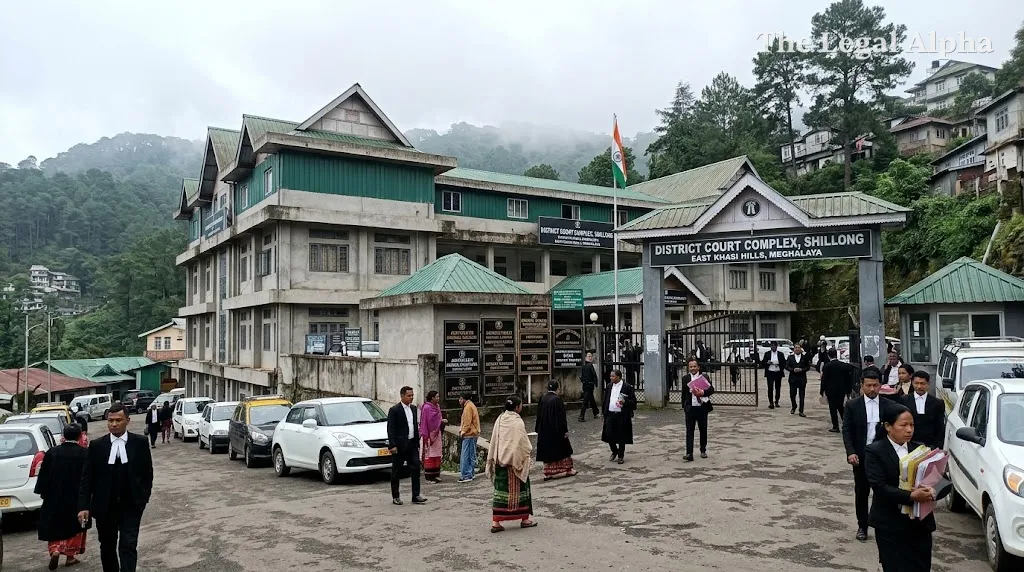
The District Magistrate of East Khasi Hills, Meghalaya, issued a formal directive stripping Executive Magistrates of their authority to sanction birth and death registrations delayed by more than two years. Under the revised statutory mechanism, exclusive jurisdiction over these prolonged delays now vests with the Judicial Magistrate of the First Class (JMFC).
The directive mandates that all fresh applications as well as matters currently pending beyond the two-year mark must be presented directly before the competent JMFC. This change implements central statutory amendments to the registration regime that took effect on October 1, establishing stricter judicial scrutiny for late entries.
Legal Topic
-
Area of Law: Administrative and Civil Registration Law
-
Sub-topic: Vital Statistics / Jurisdiction and Procedure for Delayed Registration
Core Legal Issue
The primary legal issue concerns the jurisdictional competence of executive versus judicial authorities in verifying vital events that remain unreported for substantial periods.
Specifically, the issue involves whether executive authorities retain jurisdiction over heavily delayed registrations once statutory amendments explicitly assign the adjudicatory power to verify correctness after a multi-year lapse exclusively to the judicial magistracy.
What Did the Authority Decide?
The District Magistrate determined that administrative officers functioning as Executive Magistrates can no longer entertain or process birth and death registrations delayed beyond two years:
-
Exclusive Forum: All applications for births or deaths reported more than two years after occurrence must be filed exclusively before a Judicial Magistrate First Class having territorial jurisdiction.
-
Transfer and Re-filing: The directive applies uniformly across the district to both newly initiated applications and applications currently pending consideration.
-
Immediate Cessation of Executive Action: Administrative desks are restrained from issuing late-registration verification orders under the older framework, requiring applicants to route petitions through judicial proceedings.
Key Legal Points
-
Jurisdictional Divestment: Administrative and revenue officials designated as Executive Magistrates have been divested of authority to condone registrations delayed past two years, curbing administrative discretion.
-
Higher Standard of Evidentiary Verification: Entrusting the process to a Judicial Magistrate First Class subjects delayed claims to formal judicial inquiry and statutory rules of proof to ensure factual authenticity.
-
Procedural Transition for Pending Matters: The administrative notification leaves no saving provision for pending executive applications beyond the threshold, requiring parties to approach judicial courts directly.
-
Fraud Prevention Safeguard: Shifting older claims to the judicial branch acts as a safeguard against identity falsification, disputed succession claims, and simulated dates of birth or death.
Relevant Law
-
Section 13, Registration of Births and Deaths Act, 1969: Governs delayed registration of vital events, establishing tiered conditions and competent authorities based on elapsed time.
-
Registration of Births and Deaths (Amendment) Act: The central amending legislation enforcing the requirement of a JMFC order for entries delayed beyond the statutory threshold.
-
Code of Criminal Procedure / Bharatiya Nagarik Suraksha Sanhita: Governs the distinction, appointment, and judicial powers of Judicial Magistrates of the First Class versus Executive Magistrates.
Arguments of the Parties
-
District Administration / State Authority: The administration highlighted that the transition is a mandatory alignment with amended central law. Its position is that statutory compliance requires immediate cessation of executive orders to prevent jurisdictional invalidity in newly issued certificates.
-
Affected Applicants / General Public: While individuals seeking belated documentation must now comply with formal court procedures, the administrative notice serves as public guidance to prevent applicants from submitting flawed petitions to executive offices that can no longer issue valid orders.
Why Does It Matter?
This procedural shift significantly alters how delayed civic identities and records are established. In practical terms, applicants can no longer rely on executive route affidavits or revenue inquiries for entries delayed over two years; they must now initiate judicial proceedings before a magistrate.
While this step adds formal court requirements for citizens, it establishes a reliable evidentiary barrier against identity fraud, fraudulent inheritance documents, and manipulated public records. For district courts, it brings an expanded case volume under administrative-judicial dockets, emphasizing the role of the judiciary as the final verifier of delayed legal identity.
Legal Takeaway
Registrations of births and deaths delayed by more than two years are now subject to judicial scrutiny rather than executive discretion. Applicants must approach a Judicial Magistrate First Class under amended Section 13, as orders issued by Executive Magistrates beyond this threshold are legally invalid.
Sources
-
Primary Source: Public Notification, Office of the District Magistrate, East Khasi Hills District, Shillong, Meghalaya (Issued October 19); Registration of Births and Deaths Act, 1969 (Section 13).
-
Additional Sources: Departmental Announcements, Government of Meghalaya Portal; Legislative Department, Ministry of Law and Justice.