Calcutta High Court Directs State Government to Appoint Retired Judge to Head Inquiry Commission into Chorbagan Durga Puja Stampede
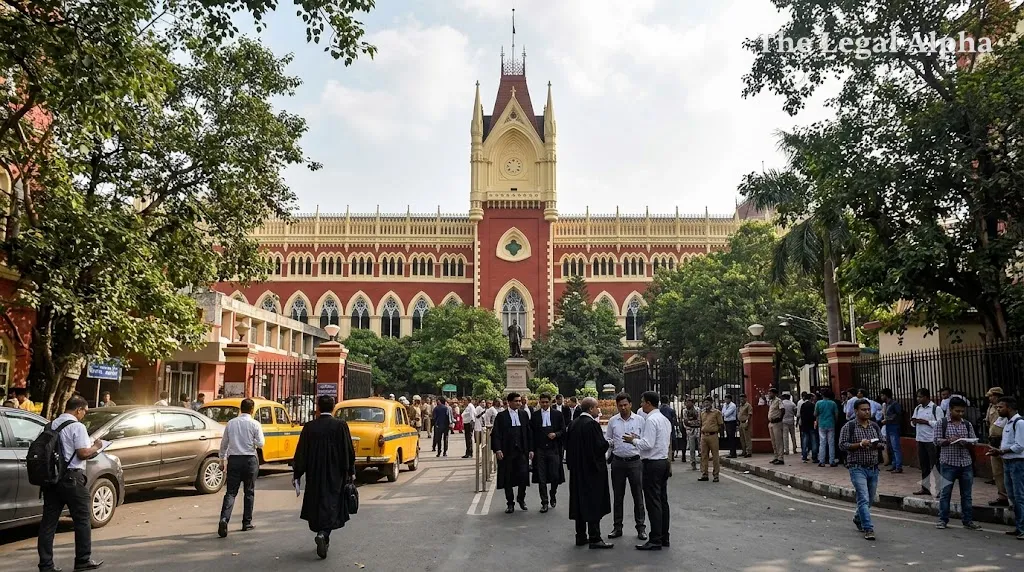
The Calcutta High Court ordered the West Bengal government to constitute a commission of inquiry led by a retired High Court judge to investigate the deadly stampede at the Chorbagan Durga Puja pandal. The incident, which took place on October 17, resulted in the loss of 19 lives.
The state government had initially sought the appointment of a sitting judge of the High Court to lead the investigation to ensure complete neutrality and avoid bias. However, a division bench presided over by Chief Justice Ravindra V. Ghuge declined the request for an active judge, pointing to binding directives from the Supreme Court that restrict sitting judges from heading administrative inquiry commissions. The bench held that the state must instead select a retired judge of the High Court to examine what triggered the disaster and fix institutional accountability.
Legal Topic
-
Area of Law: Public Law / Administrative Law
-
Sub-topic: Judicial Inquiries, Disaster Management & Executive Accountability
Core Legal Issue
The matter focuses on whether the executive branch can enlist a sitting High Court judge to conduct a fact-finding administrative inquiry into a major public safety tragedy.
The core issue involves the separation of judicial duties from statutory investigative commissions under the Commissions of Inquiry Act, particularly in light of Supreme Court precedents barring the assignment of sitting members of the higher judiciary to executive probe panels.
What Did the Court Decide?
The division bench ruled that the West Bengal government cannot appoint a sitting judge to preside over the probe panel. It held that:
-
The state government is directed to constitute an inquiry commission headed by a retired High Court judge.
-
The commission must determine the proximate causes of the stampede, assess crowd-management failures, and identify the entities or personnel responsible for the lapse.
-
While the executive sought a sitting judge's oversight, Supreme Court jurisprudence firmly limits such deployments to preserve the day-to-day functioning of constitutional courts and maintain institutional separation.
-
The state government retains the administrative prerogative to select and notify the specific retired judge who will chair the probe.
Key Legal Points
-
Supreme Court directives restrain the executive from assigning sitting High Court or Supreme Court judges to head commissions of inquiry, preserving judicial resources for active adjudication.
-
High Courts possess the supervisory authority under Article 226 of the Constitution to regulate how fact-finding bodies are structured in matters of urgent public interest and mass casualties.
-
Establishing an independent inquiry under a retired judge ensures impartiality and shields the investigation from potential executive or policing conflicts of interest.
-
The mandate of such an inquiry commission is primarily fact-finding and systemic reform, operating alongside independent statutory criminal investigations into potential penal negligence.
Relevant Law
-
Commissions of Inquiry Act, 1952: Governs the appointment, powers, and procedures of inquiry commissions set up by Central or State governments.
-
Constitution of India — Article 226: Empowers High Courts to issue orders and writs to state authorities to protect fundamental rights, including the right to life under Article 21.
-
Supreme Court Directives on Judicial Appointments to Inquiries: Binding precedents establishing that sitting judges of superior courts should not be deployed to head ad-hoc inquiry commissions.
Arguments of the Parties
State of West Bengal: The state government requested that the High Court nominate a sitting judge to head the investigative commission. The administration submitted that having an active judge lead the panel was necessary to ensure public trust, prevent allegations of political or administrative bias, and exclude police or puja committee members from influencing the outcome.
The Court’s Position: The division bench noted that while the tragedy was grave and required an independent, rigorous investigation, the state’s prayer for a sitting judge could not be accepted. The bench highlighted that the Supreme Court has laid down explicit guidelines barring sitting judges from heading inquiry commissions, leaving the constitution of the panel under a retired judge as the lawful mechanism.
Why Does It Matter?
The order highlights the limits on using the sitting judiciary for executive fact-finding panels. Whenever mass-casualty events occur during public festivals or political rallies, governments frequently call for sitting-judge inquiries to signal decisive action and quell public outcry.
By strictly enforcing Supreme Court directives, the Calcutta High Court reaffirmed that judicial capacity cannot be diverted into executive fact-finding bodies. For district administrations, event organizers, and civic bodies, the resulting inquiry sets the benchmark for administrative liability, establishing clear guidelines for crowd management, venue safety norms, and executive negligence during mass religious gatherings.
Legal Takeaway
State governments cannot draft sitting High Court judges to lead administrative or statutory inquiry commissions into public tragedies, regardless of the scale of the incident. To safeguard judicial independence and preserve court bandwidth, independent inquiries into administrative failures must instead be entrusted to retired members of the judiciary.
Sources
-
Primary Source: Order of the Division Bench, High Court at Calcutta, presided over by Chief Justice Ravindra V. Ghuge (passed October 20, 2026).
-
Additional Sources: Press Trust of India (PTI) court reporting; Official updates on the Chorbagan Durga Puja pandal incident.