Supreme Court Fast-Tracks Delhi Electoral Roll Challenge Over Discrepancy Deletions and Re-Registration Rules
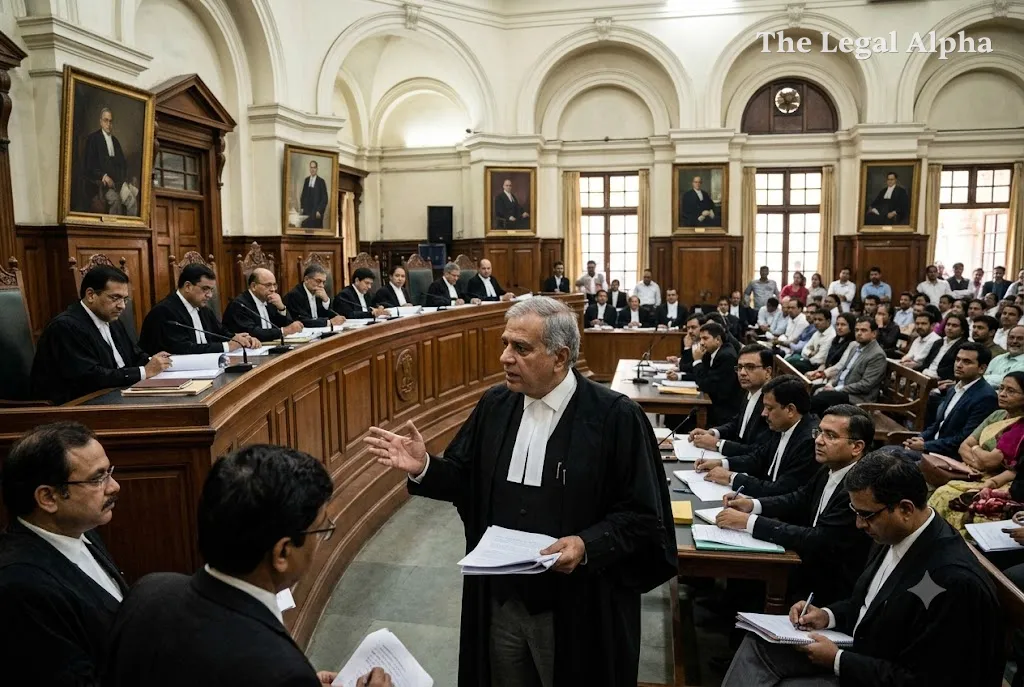
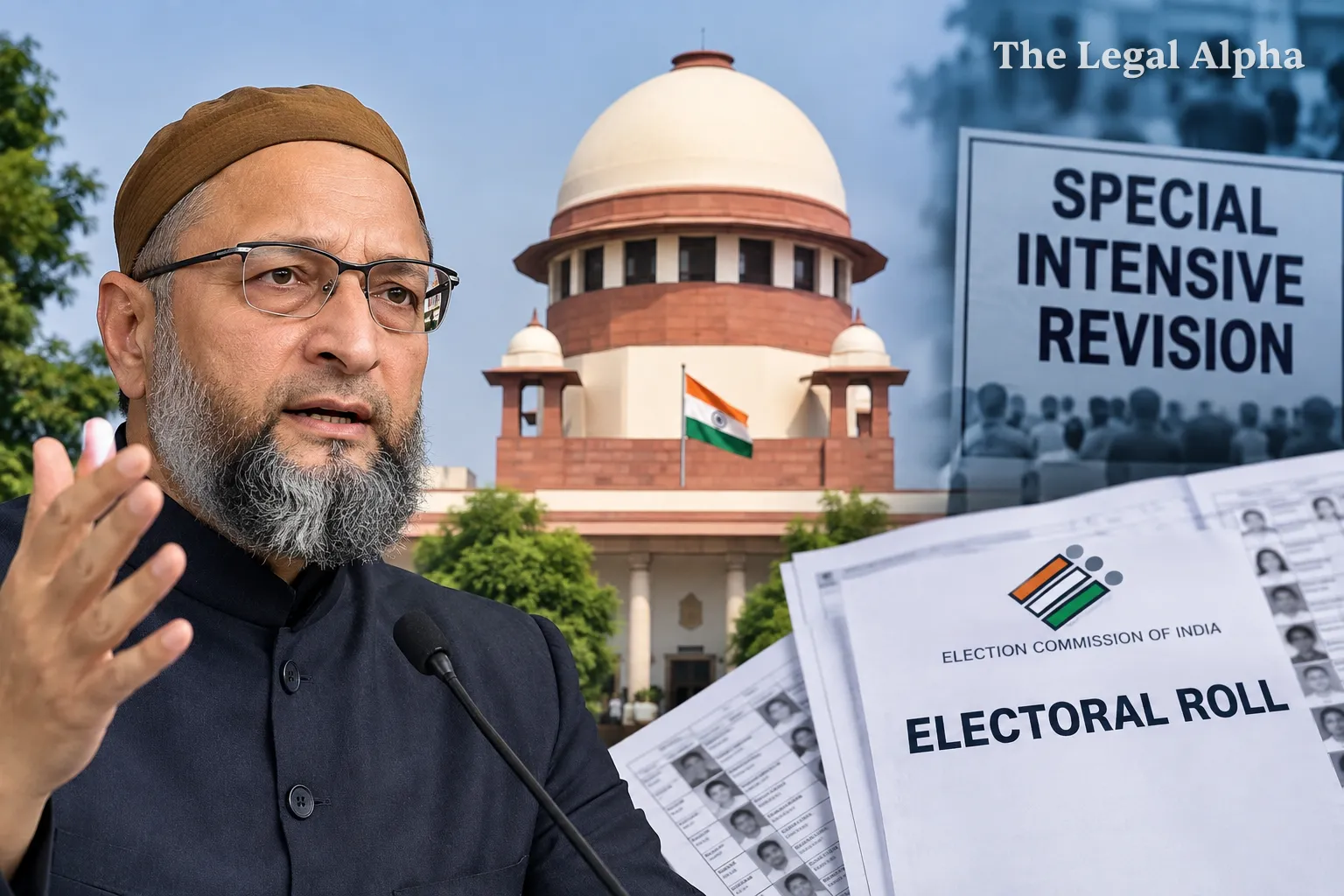
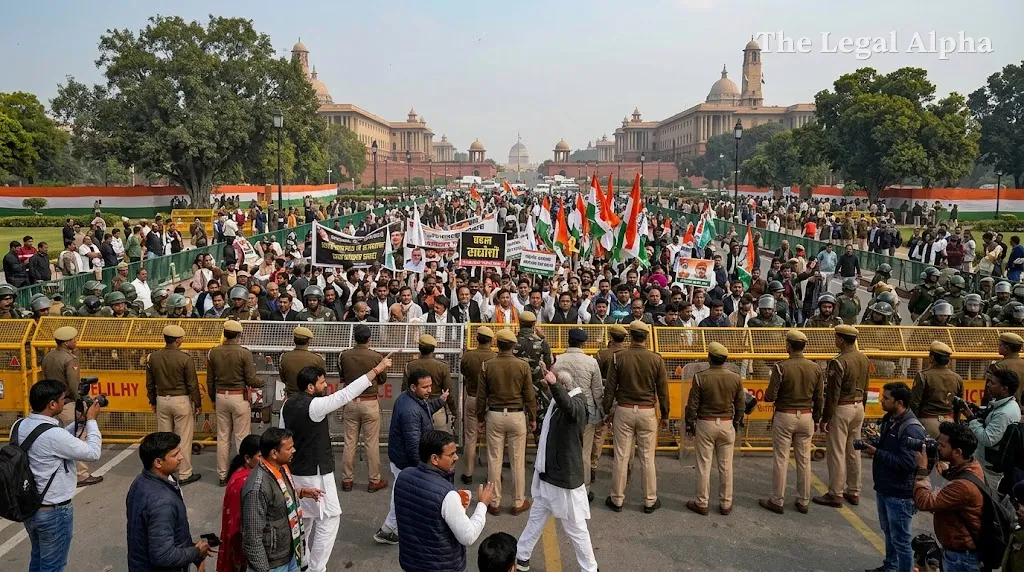
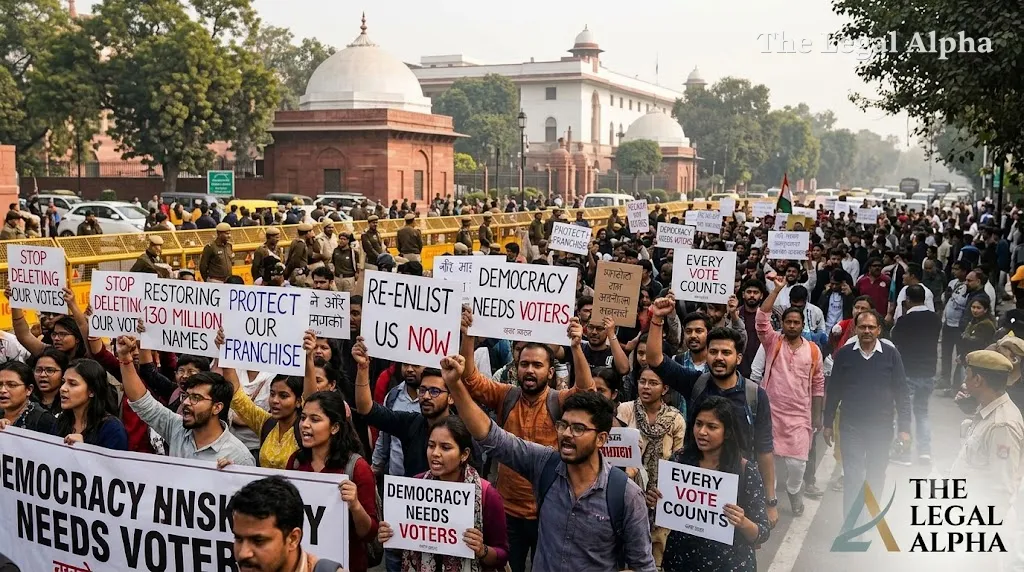
The Supreme Court of India has agreed to advance its hearing in a pending writ petition challenging the ongoing Special Intensive Revision (SIR) of electoral rolls conducted across the National Capital Territory of Delhi. The urgent mentioning arose after transparency activists brought to the Bench’s attention an operational directive by the Election Commission of India (ECI): voters removed from voter lists following algorithmic “logical discrepancy” flags are allegedly being directed to submit Form 6. Form 6 constitutes an application reserved for first-time voter enrolment and contains a mandatory declaration that the applicant has never been enrolled before. Counsel pointed out that requiring previously registered citizens to sign such an attestation compels them to make a legally untruthful statement, leaving them vulnerable to penal consequences. In light of the urgency, the Court preponed the listing of the matter to October 28.
Legal Topic
-
Area of Law: Constitutional Law / Election Law
-
Sub-topic: Electoral Roll Management / Voter Franchise & Algorithmic Due Process
Core Legal Issue
The controversy centres on whether the statutory mechanism prescribed under the Registration of Electors Rules, 1960, and the Representation of the People Act, 1950, permits the election authority to relegate existing voters—flagged and purged via administrative or automated criteria—to the entry route meant strictly for fresh applicants.
The court must decide whether compelling previously enrolled electors to sign statutory declarations designed solely for first-time registrants violates administrative fairness and exposes citizens to unwarranted penal liabilities under election statutes.
What Did the Court / Authority Decide?
-
The Supreme Court entertained an urgent application filed by petitioners and agreed to advance the scheduled date of hearing in the principal petition.
-
The main writ petition and the associated interim application have been listed for detailed hearing on October 28.
-
The Bench previously observed that notices issued during the Special Intensive Revision in Delhi appeared to have been generated almost mechanically by automated algorithms without sufficient clarity regarding the underlying criteria.
-
The Court had earlier issued notice calling upon the ECI to spell out the immediate steps taken to resolve voter grievances and explain the parameters of the revision exercise. No final ruling on the constitutional validity of the Form 6 directive has been issued yet; the substantive determination remains pending.
Key Legal Points
-
Statutory Divergence of Voter Forms: Form 6 under the Registration of Electors Rules, 1960, governs new enrolments, whereas Form 8 governs correction of entries and intimation of shifted residence.
-
Perjury and False Declaration Risks: Because Form 6 mandates a formal declaration that the applicant's name has not been entered in any roll, requiring an existing voter to submit it triggers statutory risks of submitting false statements.
-
Algorithmic Discrepancy Scrutiny: Judicial skepticism surrounds purely algorithmic screenings where notices are issued in a bulk, mechanical fashion without individualized administrative reasoning or clear notice to the voter.
-
Ultra Vires Rule-Making: An administrative directive cannot impose requirements inconsistent with the governing statutory scheme unless formal amendments are introduced pursuant to statutory rule-making powers.
Relevant Law
-
Section 31, Representation of the People Act, 1950: Imposes criminal penalties—including imprisonment or fines—for making false declarations in connection with the preparation or revision of electoral rolls.
-
Section 28, Representation of the People Act, 1950: Empowers the Central Government, after consulting the Election Commission, to make rules for carrying out the purposes of the Act.
-
Rules 13 and 26, Registration of Electors Rules, 1960: Prescribe standard statutory procedures and distinct forms (Form 6 for first-time entry; Form 8 for transposition, shifted residence, or corrections).
-
Article 324, Constitution of India: Confers the superintendence, direction, and control of elections in the Election Commission, subject to applicable legislative enactments and constitutional reasonableness.
Arguments of the Parties
Petitioner / Applicant
Advocate Prashant Bhushan, representing transparency activists Anjali Bhardwaj and Amrita Johri, submitted that the Election Commission is improperly requiring voters deleted during the Special Intensive Revision to submit Form 6. Counsel argued that Form 6 obliges an applicant to declare that they have never been registered on any electoral roll before. Consequently, compelling existing electors to execute such an attestation effectively forces them to submit a false declaration, exposing them to criminal prosecution and imprisonment under the Representation of the People Act. The petitioners contended that the ECI must allow such citizens to use Form 8 (meant for shifted voters) or devise a distinct, non-prejudicial restoration route that discloses the underlying algorithmic grounds for deletion.
Respondent / State / Opposing Party
The Election Commission of India has maintained that the revision exercises are designed to clean and update rolls, eliminate duplicates, and rectify inaccuracies. In earlier proceedings, counsel appearing for the authorities dismissed allegations of impropriety as baseless and wild. The authorities asserted that declaration requisites are anchored in statutory measures aimed at ensuring the veracity and accuracy of voter roll entries and verifying genuine residency.
Why Does It Matter?
The resolution of this matter carries wide repercussions for Indian electoral administration, especially as election bodies increasingly rely on automated algorithms and data matching to flag duplicate or shifted records. If administrative databases flag voters under vague "logical discrepancy" headings without transparent criteria, eligible citizens face disenfranchisement without adequate procedural recourse.
Furthermore, funneling established electors into statutory procedures designed for first-time applicants places individuals in legal jeopardy under penal provisions governing election declarations. The Court's eventual ruling could establish enforceable guidelines on procedural due process, algorithmic transparency, and the limits of administrative instructions issued by the election watchdog.
Legal Takeaway
Citizens cannot be compelled by administrative directions to submit statutory declarations that are factually contradictory, particularly when doing so triggers criminal exposure under election law. Any procedural framework governing the restoration of omitted voters must align strictly with the governing rules and preserve the fundamental right to the franchise without procedural entrapment.
Sources
Primary Source:
-
Anjali Bhardwaj & Anr. v. Election Commission of India & Ors. (Writ Petition / Interim Application pending before the Supreme Court of India; Order dated October 2026 advancing hearing date to October 28).
Additional Sources:
-
Registration of Electors Rules, 1960 (Forms 6 & 8).
-
Representation of the People Act, 1950 (Sections 28 & 31).
-
High-level reporting and judicial orders tracking the Delhi Special Intensive Revision proceedings before the Supreme Court of India.