Special Intensive Revision Under Scrutiny: Asaduddin Owaisi Approaches Supreme Court Over Electoral Roll Procedures
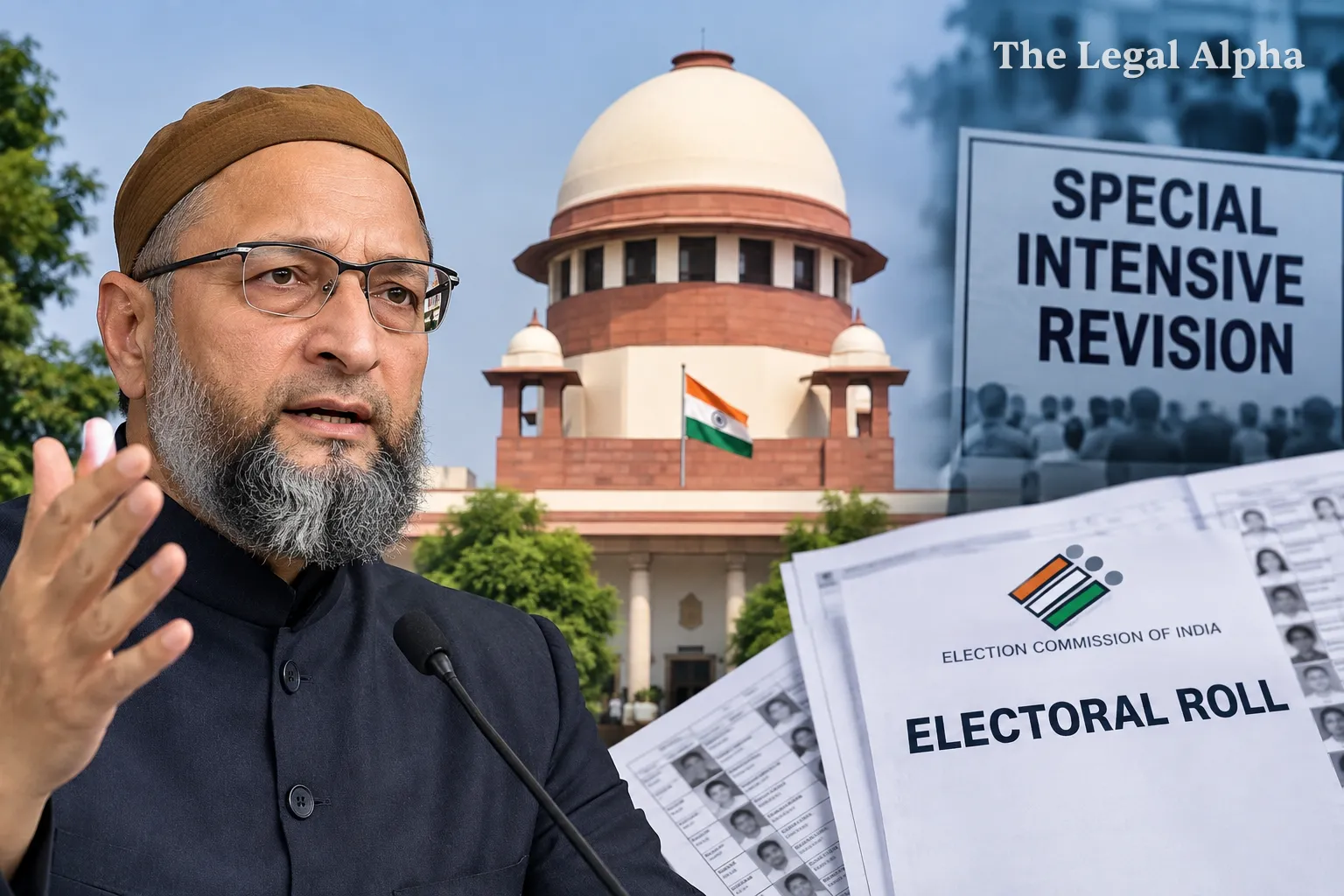
All India Majlis-e-Ittehadul Muslimeen (AIMIM) president and Member of Parliament Asaduddin Owaisi has approached the Supreme Court of India to challenge the manner in which the Election Commission of India conducts its Special Intensive Revision (SIR) of electoral rolls.
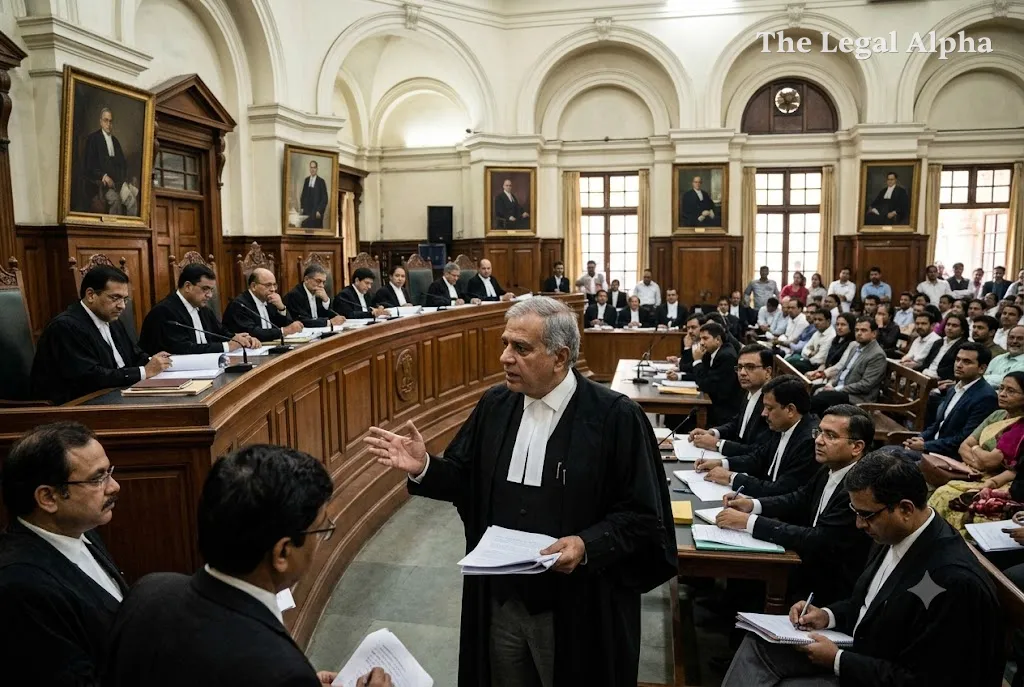
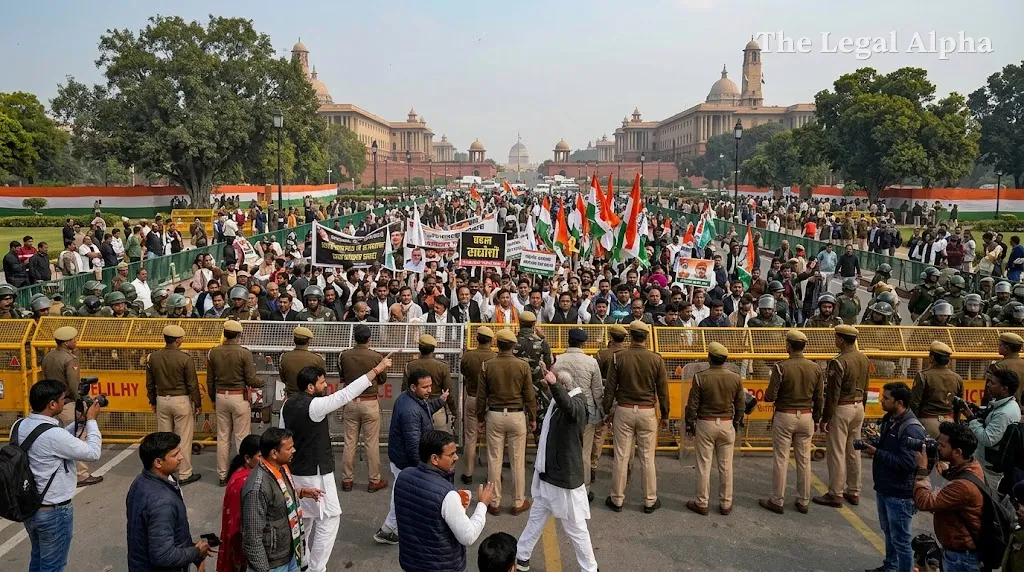
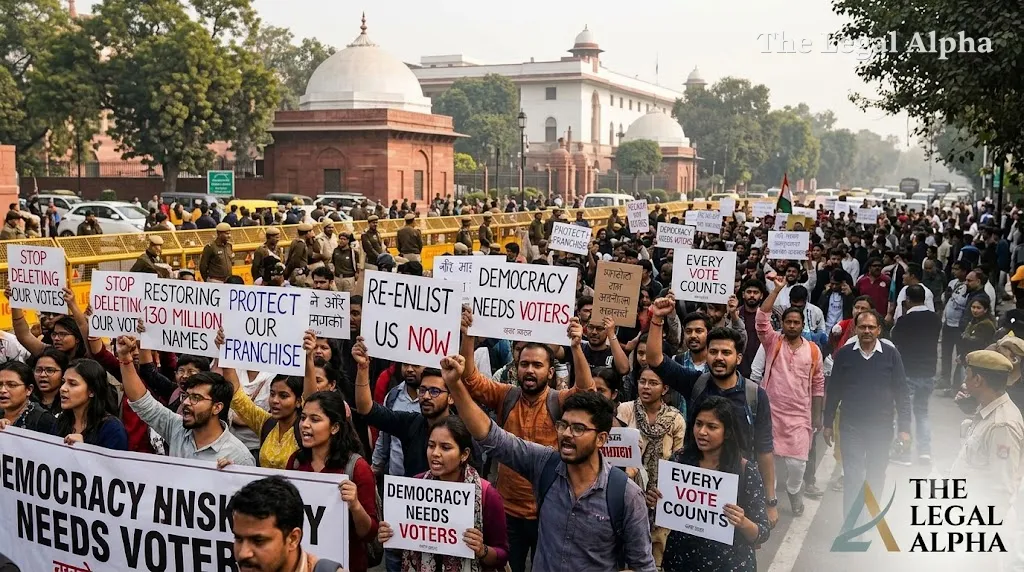
On Wednesday, the matter was mentioned by Advocate Nizamuddin Pasha before a bench comprising Chief Justice of India Surya Kant and Justice Joymalya Bagchi. Counsel requested the bench to tag and list the petition alongside connected matters filed by other political leaders that are scheduled for hearing. The legal challenge comes amid broader political contention over large-scale voter list deletions and allegations of procedural discrepancies during the nationwide revision exercise.
Legal Topic
Area of Law: Election Law / Constitutional Law
Sub-topic: Electoral Roll Preparation / Franchise Rights / Administrative Review
Core Legal Issue
The controversy centres on whether the administrative mechanisms employed by the Election Commission of India during the Special Intensive Revision meet statutory and constitutional benchmarks of procedural fairness, transparency, and natural justice.
The core legal question is whether the current methodology governing voter verification and name deletion creates an arbitrary risk of wrongful disenfranchisement, thereby violating the constitutional right to vote and requiring judicial guidelines or independent oversight over voter list management databases.
What Did the Court Decide?
The Supreme Court did not adjudicate on the merits of the petition during the mentioning session.
Chief Justice Surya Kant noted the submissions made by counsel regarding existing, connected matters and stated that the registry would verify the listing memo to consider listing the plea alongside similar petitions pending before the court. The substantial legal issues regarding the validity and execution of the revision exercise remain pending for consideration.
Key Legal Points
-
Constitutional scrutiny of the superintendence and control over voter lists exercised under Article 324 of the Constitution.
-
Adherence to procedural safeguards under the Registration of Electors Rules, particularly prior notice and fair hearing obligations before deleting voters from the roll.
-
Demands for technical and administrative audits of voter database modifications to maintain electoral transparency.
-
Consolidation of parallel public interest litigations challenging election administrative mechanisms before the apex court.
Relevant Law
-
Article 324 of the Constitution of India (Superintendence, direction, and control of elections vested in the Election Commission)
-
Article 326 of the Constitution of India (Elections to the House of the People and to the Legislative Assemblies on the basis of adult suffrage)
-
Representation of the People Act, 1950 (Provisions governing preparation and revision of electoral rolls)
-
Registration of Electors Rules, 1960 (Statutory procedure for inclusion, correction, and deletion of entries in electoral rolls)
Arguments of the Parties
Petitioner Counsel for the petitioner submitted that the Special Intensive Revision exercise is being carried out without sufficient safeguards, leading to procedural flaws and arbitrary exclusions. It is urged that the revision protocols need urgent judicial examination to prevent eligible citizens from losing their voting rights without due process.
Respondent / Election Commission While formal responses to the newly tagged petition are awaited upon notice, the Election Commission routinely maintains that periodic intensive revisions are lawful statutory measures required to remove duplicate, relocated, or deceased voters and ensure voter roll integrity before elections.
Why Does It Matter?
Electoral rolls form the cornerstone of democratic representation. If summary or automated deletions occur without robust verification and individual notice, eligible citizens face the risk of disenfranchisement without effective administrative recourse.
The outcome of these petitions may lead to binding judicial directions requiring the Election Commission to formalise stricter verification standards, introduce independent database audits, or create standardized appellate mechanisms before names can be struck off electoral rolls.
Legal Takeaway
The right of an eligible citizen to figure on the electoral roll is inextricably linked to the democratic franchise guaranteed by law. Administrative revisions of voter lists, however necessary for database hygiene, must strictly comply with statutory notice requirements and principles of natural justice to withstand constitutional scrutiny.
Sources
Primary Source: Supreme Court of India (Proceedings before CJI Surya Kant and Justice Joymalya Bagchi, mentioning dated October 14, 2026)
Additional Sources: LiveLaw, ANI, The New Indian Express (Reporting on mentioning of Owaisi's Special Intensive Revision petition, October 14, 2026)