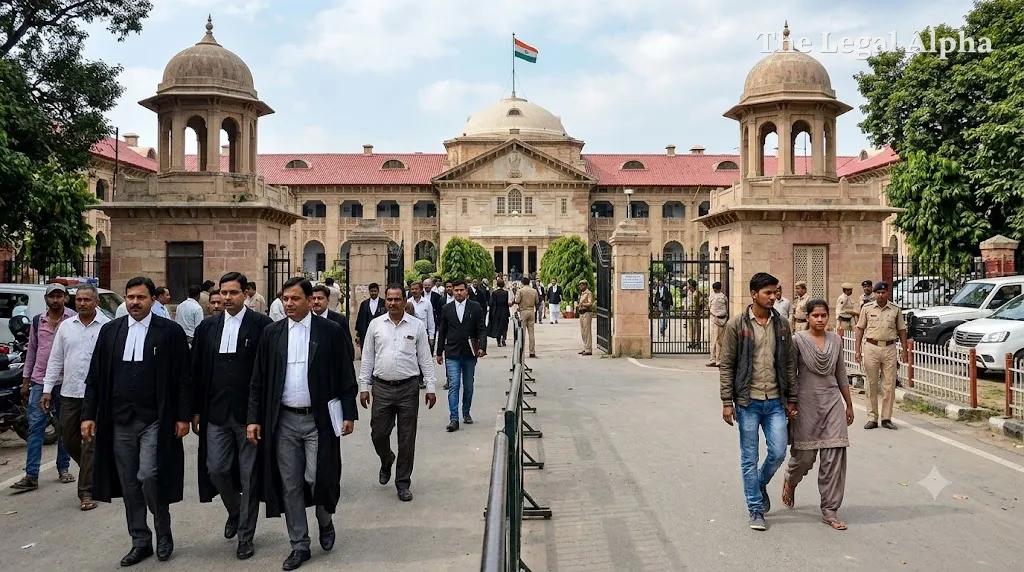
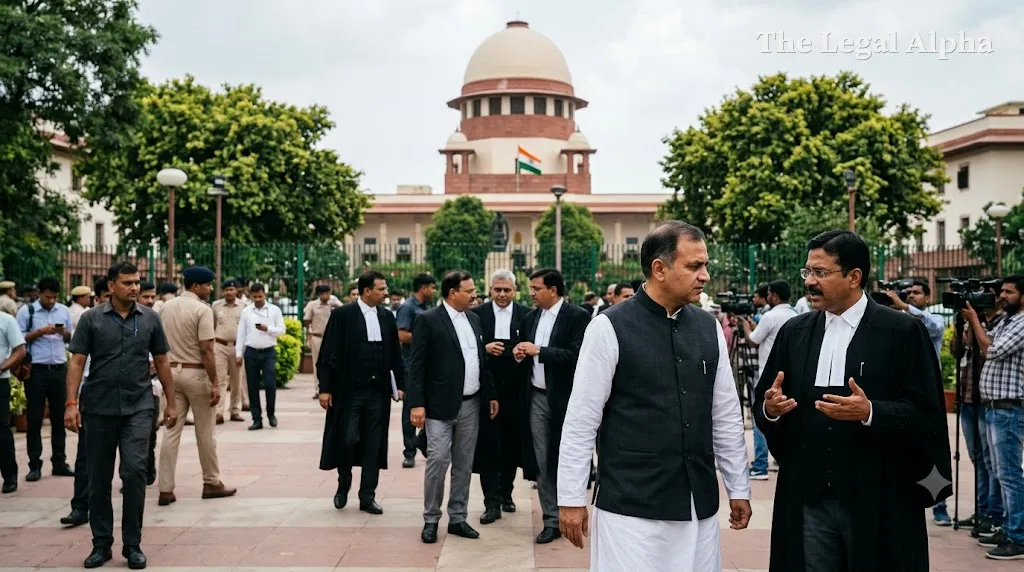
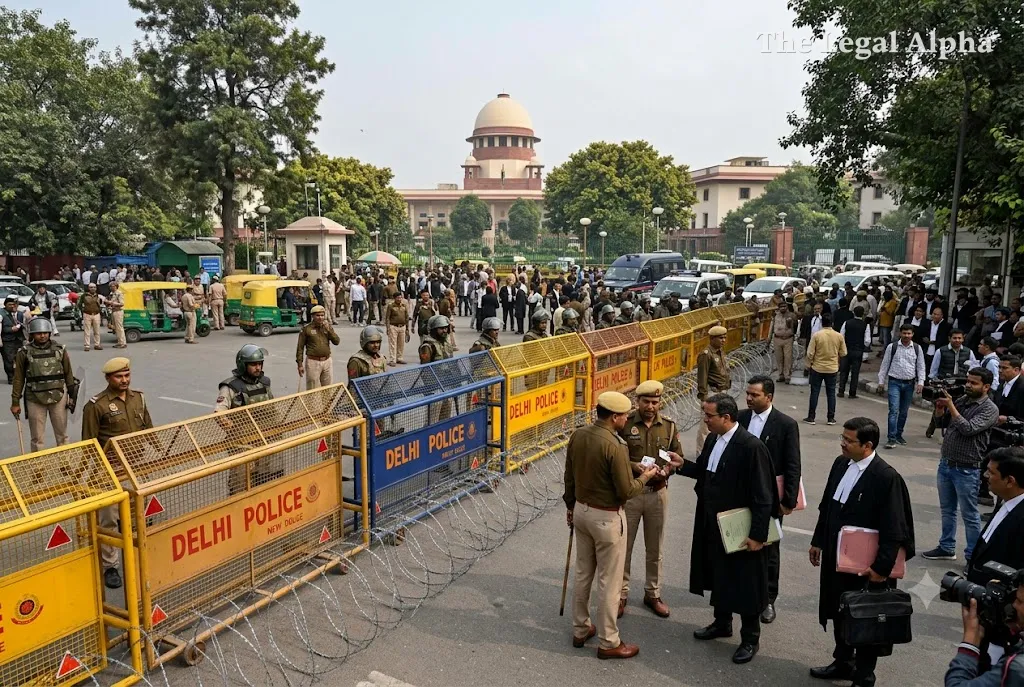
Supreme Court Accessible to All Through Due Process: CJI Surya Kant Declines Private Meeting with Political Delegation
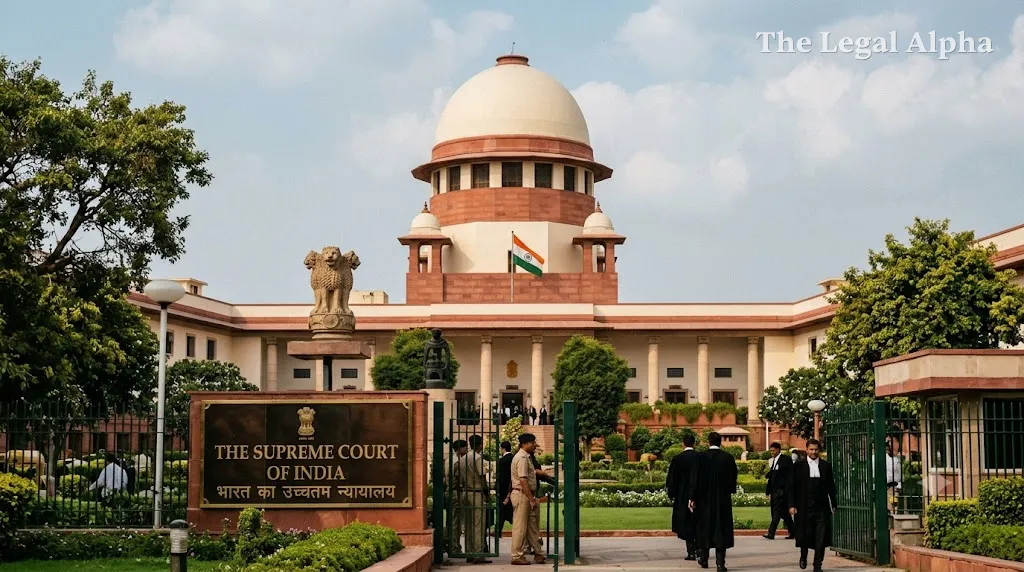
Chief Justice of India Surya Kant addressed public queries regarding his decision to decline an in-person meeting with a delegation of opposition leaders representing the INDIA bloc. The political alliance had sought an audience with the Chief Justice to submit a memorandum regarding allegations of electoral irregularities concerning the Election Commission, subsequently planning a demonstration march toward the Supreme Court. Speaking on the sidelines of an official event, the Chief Justice clarified that while he formally conveyed his inability to hold a private meeting in a confidential written reply to the leaders, the institution remains open to every citizen and public representative through established judicial processes.
Legal Topic
-
Area of Law: Constitutional & Judicial Process Law
-
Sub-topic: Judicial Propriety / Access to Justice / Separation of Powers
Core Legal Issue
The core question involves the constitutional and procedural boundaries governing how judicial leadership engages with political delegations outside the courtroom.
Specifically, it touches upon whether grievances concerning constitutional bodies—such as the Election Commission of India—can be formally entertained through administrative or private audiences with the Chief Justice, rather than being ventilated on the judicial side through formal pleadings and writ jurisdiction.
What Did the Court / Authority Decide?
No judicial bench was convened, as the matter arose from an administrative request for a private meeting.
The Chief Justice stated that he had formally replied in writing to the communication sent by the political leaders, declining the requested audience. CJI Kant emphasized that the institutional doors of the Supreme Court remain accessible to all citizens—including elected representatives—provided matters are brought before the court in accordance with the law, where arguments are formally heard on the judicial side and relief is granted strictly on legal merits.
Key Legal Points
-
Grievances against statutory and constitutional authorities must be agitated through formal legal filings rather than private or political representations before the head of the judiciary.
-
The judicial forum remains universally open to ordinary citizens and elected officials alike under the rule of law.
-
Judicial propriety requires maintaining strict neutrality and confidentiality regarding off-the-bench administrative communications involving political factions.
-
Relief against state authorities can only be adjudicated on legal merits pursuant to constitutional and procedural remedies.
Relevant Law
-
Article 32 of the Constitution of India: The fundamental right to move the Supreme Court through appropriate proceedings for the enforcement of constitutional and legal rights.
-
Article 324 of the Constitution of India: Provisions vesting the superintendence, direction, and control of elections in the Election Commission of India.
-
Supreme Court Rules, 2013: Regulating the formal presentation, listing, and adjudication of petitions and memoranda before the apex court.
Arguments of the Parties
INDIA Bloc / Opposition Representation
-
The delegation sought an audience with the Chief Justice of India to present a collective memorandum highlighting institutional concerns and grievances regarding the functioning of the Election Commission.
-
Leaders contended that their planned march and representation were public expressions to draw urgent attention to electoral integrity.
Judicial / Institutional Stand
-
The Chief Justice maintained institutional distance by declining an extraordinary out-of-court meeting while affirming that the court's doors are open to everyone via valid petitions.
-
The judiciary reiterated that grievances must be addressed through established legal avenues, where the bench can examine claims transparently and impartially.
Why Does It Matter?
The Chief Justice’s remarks reaffirm the strict boundary between political lobbying and judicial adjudication. Entertaining political delegations in private chambers on issues of public and electoral controversy risks compromising the appearance of judicial impartiality.
By underscoring that the Supreme Court's doors are open to anyone who files a formal proceeding, the remarks establish that political actors, regardless of stature, must follow the same procedural avenues available to ordinary citizens when seeking constitutional accountability.
Legal Takeaway
The Chief Justice of India cannot serve as an administrative forum for political grievances against other constitutional bodies. To obtain judicial scrutiny or relief, claims must be formally petitioned on the judicial side in accordance with procedural law.
Sources
Primary Source:
-
Official remarks by Chief Justice of India Surya Kant during the National Human Rights Commission Foundation Day program (New Delhi).
Additional Sources:
-
Press Trust of India (PTI) and media reporting on the INDIA bloc memorandum and protest march (October 12, 2026).