Court Functioning Cannot Be Paralyzed by Protests: Supreme Court Agrees to Hear Bar Association Plea on Advocate Detentions and Citywide Curbs
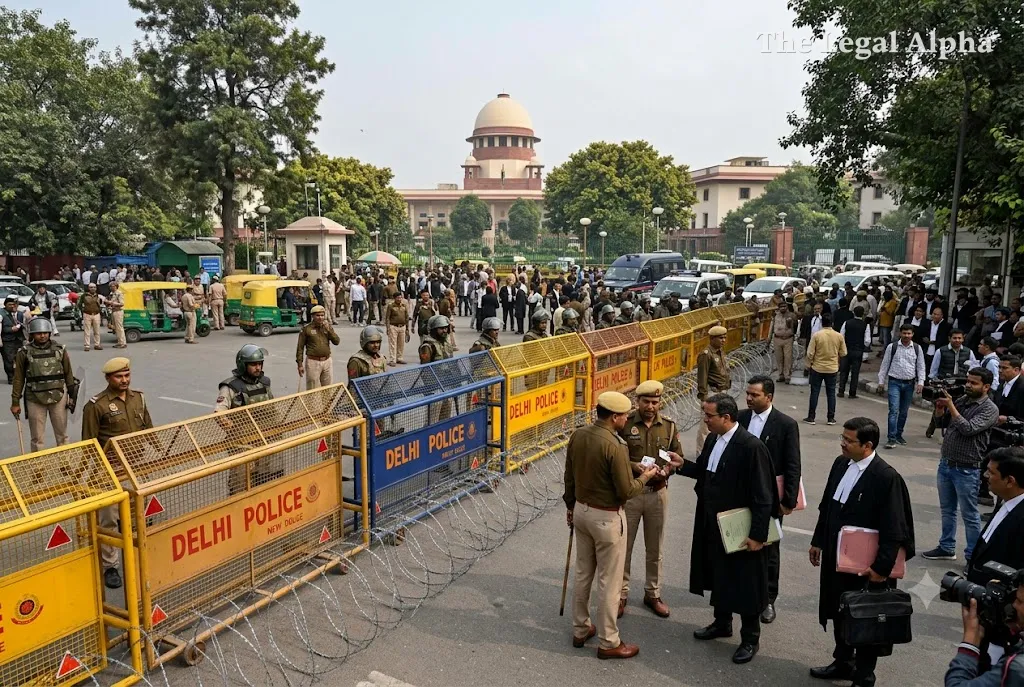
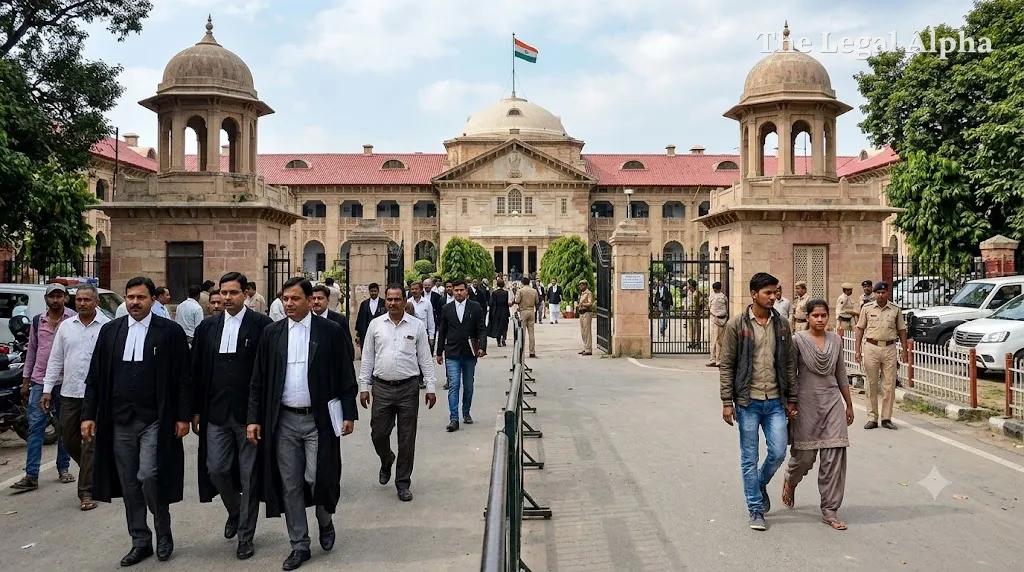
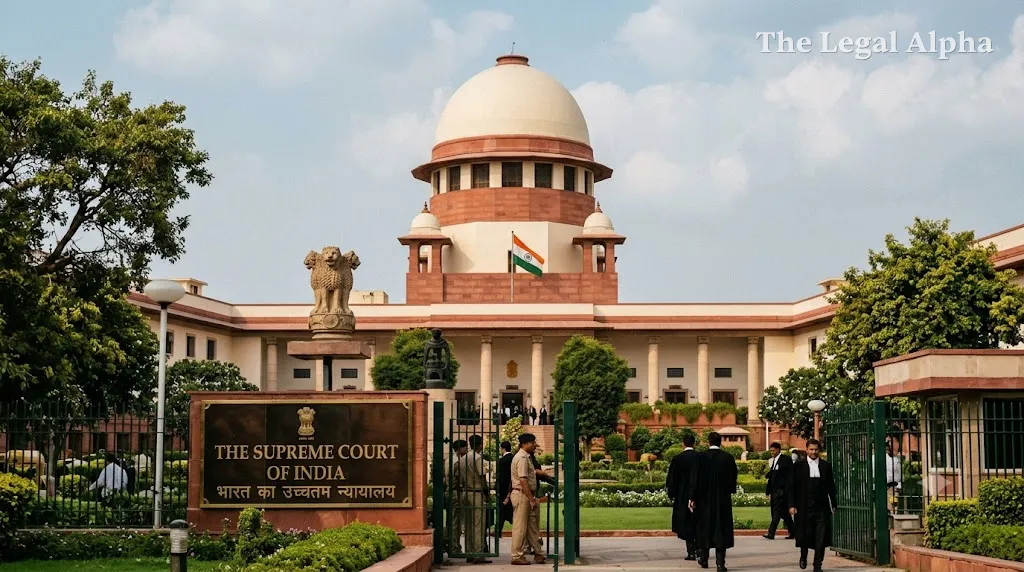
The Supreme Court of India agreed to examine petitions filed by the Supreme Court Bar Association (SCBA) and advocate groups concerning systemic disruptions caused by security clampdowns during ongoing demonstrations in New Delhi. The bar body moved the top court following allegations of police detentions and physical manhandling of advocates, heavy street barricading, and localized communication and internet suspensions that severely hindered advocates, court staff, and litigants from accessing court premises.
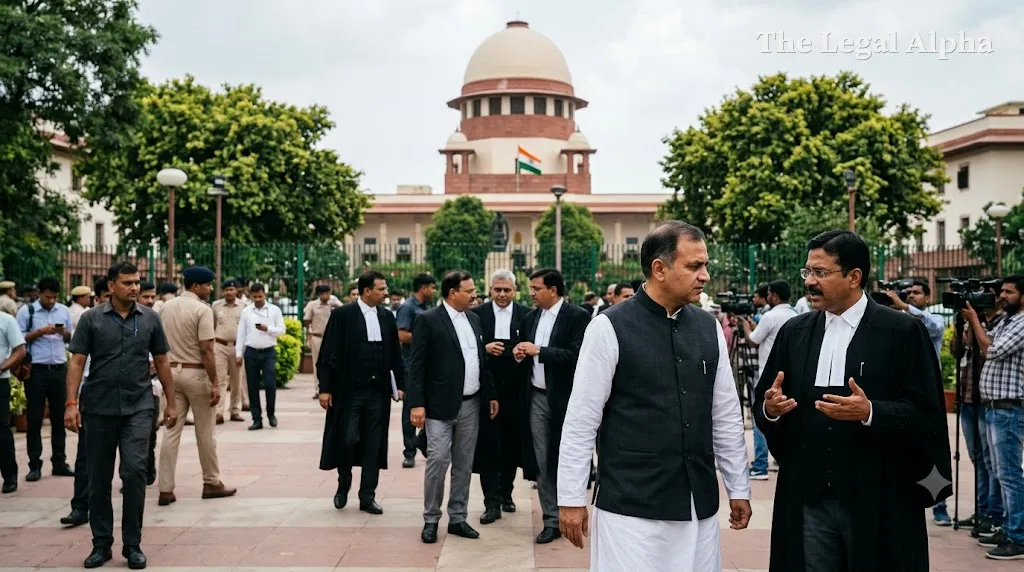
The matter was mentioned by senior counsel and SCBA President Pradeep Rai before a bench led by Chief Justice of India Surya Kant, who slated the matter for a formal hearing while underscoring that institutional access cannot be compromised.
Legal Topic
Area of Law: Constitutional Law & Judicial Administration
Sub-topic: Access to Justice / Regulation of Public Assemblies and Police Powers
Core Legal Issue
The controversy turns on balancing the fundamental freedom of public demonstration and administrative maintenance of public order against the constitutional guarantee of unhindered access to courts. The primary legal question is whether preventive policing measures—specifically sweeping prohibitory orders under Section 163 of the Bharatiya Nagarik Suraksha Sanhita (BNSS), perimeter barricading, and communication shutdowns—can disproportionately disrupt judicial institutions and lawyer immunity during transit.
What Did the Court Decide?
The Supreme Court did not pass a definitive final judgment but scheduled the petitions for an expedited hearing on Tuesday before an appropriate bench.
During the mentioning, Chief Justice Surya Kant observed that while democratic assemblies and demonstrations must have reasonable operational space, they cannot paralyze public institutions. The court made it clear that protests and police containment measures must not impede the functioning of the Supreme Court, nor obstruct the free movement of legal practitioners, court registry personnel, and litigants. The substantive issues regarding police status reports, preservation of detention footage, and the validity of prohibitory orders remain pending consideration.
Key Legal Points
-
Uninhibited Judicial Access: The apex court reiterated that administrative management of public agitations must never choke institutional access to the courts of justice.
-
Scrutiny of Broad Prohibitory Orders: The petitions place administrative clampdowns under Section 163 of the BNSS under judicial scrutiny to ensure preventive powers are not used arbitrarily against legal professionals.
-
Evidentiary Accountability: The plea demands strict accountability from law enforcement, seeking preservation of electronic records, detention logs, and body-camera recordings from security operations.
-
Equilibrium of Democratic Rights: The bench signaled the need to maintain an equilibrium between civic demonstrations and institutional governance.
Relevant Law
-
Article 19(1)(a) & 19(1)(b) of the Constitution of India: Freedoms of speech, expression, and peaceful assembly without arms.
-
Article 21 & Article 32 of the Constitution of India: Right to personal liberty and access to judicial remedies through constitutional courts.
-
Section 163 of the Bharatiya Nagarik Suraksha Sanhita, 2023 (BNSS): Power of administrative magistrates to issue directions and prohibitory orders in urgent cases of nuisance or apprehended danger.
Arguments of the Parties
Petitioner (SCBA and Advocates)
The SCBA submitted that heavy-handed police actions—including unwarranted detentions of advocates, severe transit cordons, and internet shutdowns—violated the rule of law and obstructed officers of the court from discharging their professional duties. The petitioners argued that statutory preventive measures cannot become an indirect embargo on citizens entering judicial premises, urging the court to mandate official status reports and preserve digital evidence of police misconduct.
Respondent (State / Law Enforcement)
The Delhi Police maintained that perimeter restrictions and heightened security protocols were necessary preventive measures triggered by unauthorized assemblies and public order assessments in the capital. The administration contended that preventive containment steps were instituted strictly within statutory mandates to protect vital installations and avert public disturbances.
Why Does It Matter?
This development highlights a recurring friction point in metropolitan administrative governance: how broad state-enforced containment measures impact civic life and the administration of justice. When public agitations or counter-protest policing disrupt communication networks and road transport corridors, the constitutional machinery risks being stalled.
The eventual adjudication will likely establish clear standards regarding whether emergency security perimeters may obstruct entry to high courts and the Supreme Court, ensuring that executive containment orders do not dilute access to justice for litigants and their legal representatives.
Legal Takeaway
Preventive policing measures and public demonstrations must yield to the uninterrupted administration of justice. The Supreme Court has firmly signaled that regardless of the nature of public agitations, the movement of lawyers and the operational continuity of judicial institutions remain non-negotiable.
Sources
Primary Source:
-
Oral observations of the Supreme Court of India, Bench comprising Chief Justice Surya Kant, Justice Joymalya Bagchi, and Justice V. Mohana (Hearing dated October 12, 2026).
-
Supreme Court Bar Association (SCBA) Writ Petition, drawn by Adv. Reepak Kansal and filed through Adv. Pragya Baghel.
Additional Sources:
-
Press Trust of India (PTI) court reporting (October 12, 2026).
-
Bar and Bench, legal proceedings report (October 12, 2026).