Pre-Emptive Custody Under Scrutiny: Supreme Court Moved Over Airport Interceptions and Mass Restraints Ahead of New Delhi Demonstration
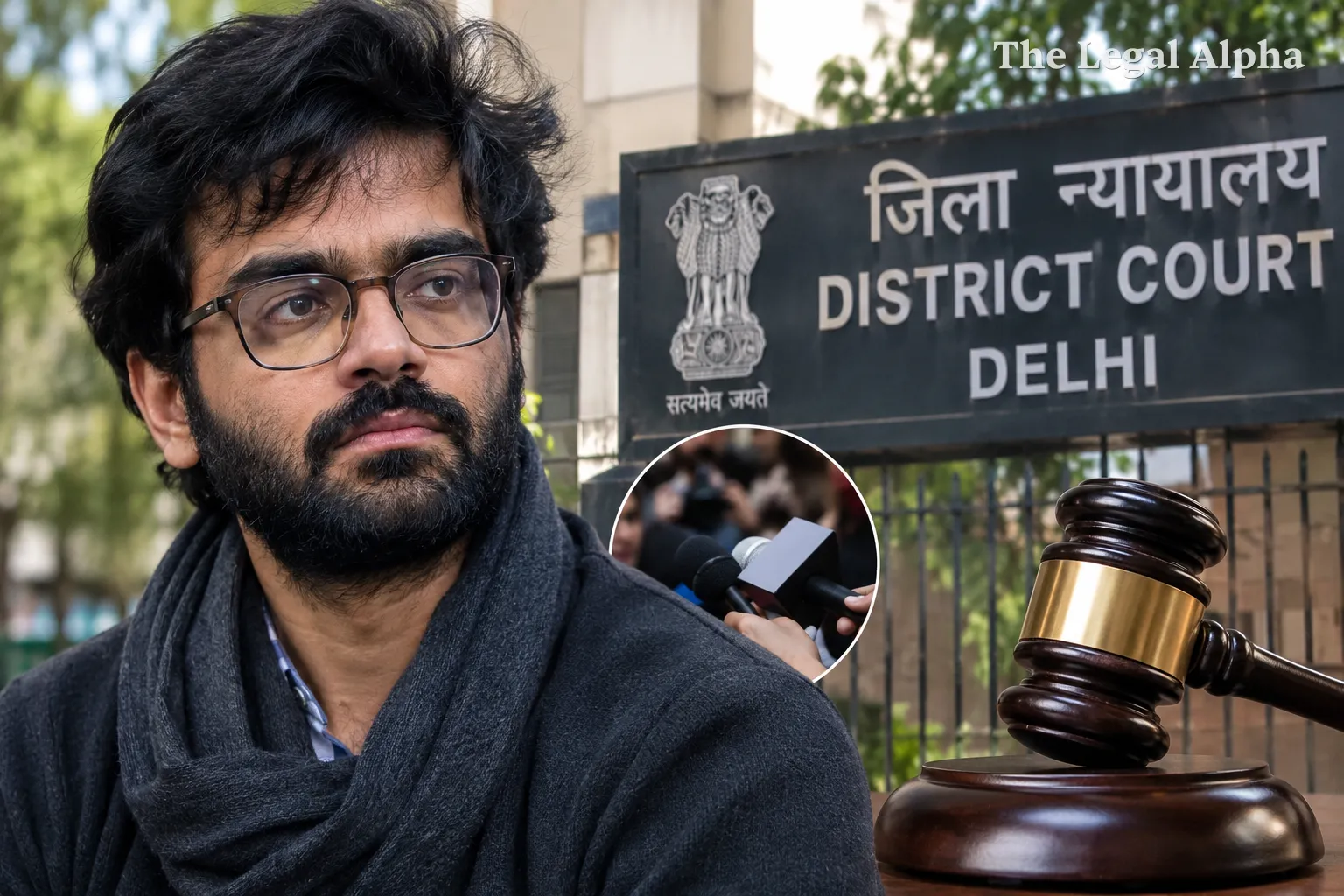
A member associated with the Cockroach Janata Party approached the Supreme Court under Article 32 seeking a writ of habeas corpus following the alleged interception and detention of key figures—including founder Abhijeet Dipke, co-convenor Saurav Das, and spokesperson Ashutosh Ranka—upon their arrival at Indira Gandhi International Airport.
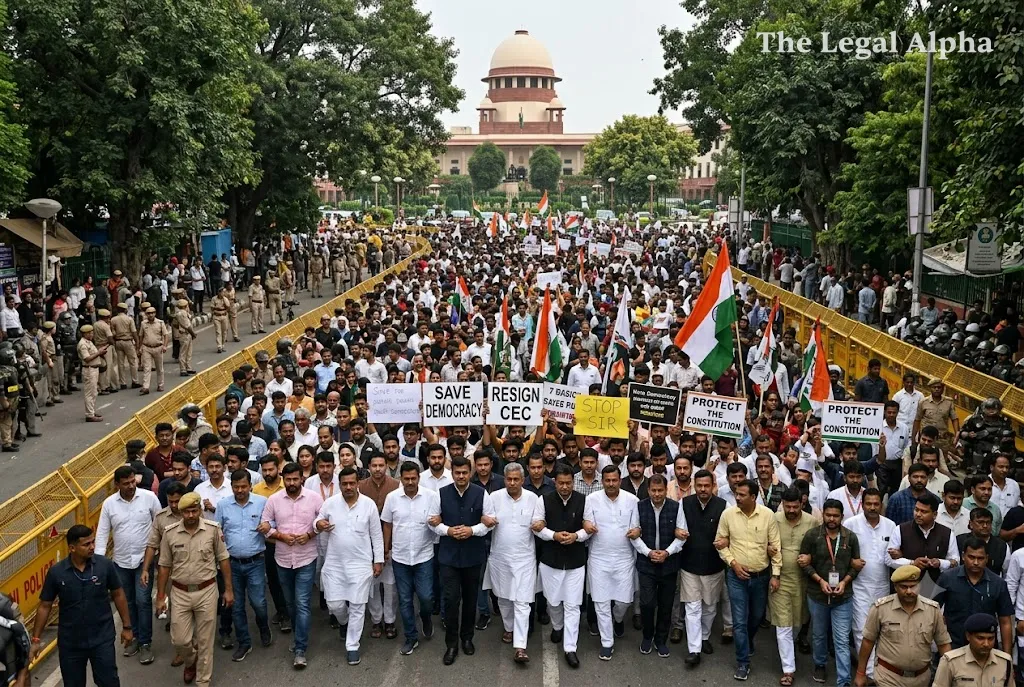
The detentions occurred shortly before a planned demonstration near Jantar Mantar directed against the Chief Election Commissioner. In addition to the airport intercepts, multiple activists, organisers, and intended participants across several jurisdictions were reportedly subjected to preventive physical restraint or taken into undisclosed custody. The petitioner sought an immediate judicial accounting of the legal grounds for detention, the physical production of the individuals, and the preservation of critical evidence including airport and police lock-up surveillance records.
Legal Topic
Area of Law: Constitutional Law / Criminal Procedure
Sub-topic: Preventive Custody, Fundamental Freedoms, and Habeas Corpus Jurisdiction
Core Legal Issue
The controversy centres on whether law enforcement agencies can invoke broad preventive or administrative powers to intercept, isolate, and detain individuals at transit hubs solely because permission for a public protest has been declined or withheld.
The underlying question asks whether such pre-emptive physical restraint violates procedural arrest safeguards and crosses from reasonable regulation of public order into an impermissible suppression of personal liberty and democratic assembly.
What Did the Court / Authority Decide?
The matter was placed before the Supreme Court seeking urgent judicial intervention and production of the detained persons. The plea requested binding directions to compel authorities to disclose the legal provisions invoked, furnish formal detention records, and preserve digital surveillance data from airport terminals and local police facilities.
During the preliminary listing phase, counsel associated with the filing noted that the petition was not instituted in the official capacity of the organisation, and procedural steps toward withdrawal were subsequently initiated by the petitioner. Parallel proceedings highlighting the fundamental rights implications of the detentions were listed before a bench comprising Justice Joymalya Bagchi and Justice V. Mohana.
Key Legal Points
-
Limits of Preventive Denial: Administrative refusal or withholding of police permission for an assembly does not confer unfettered authority to execute blanket, pre-emptive physical detentions without establishing individualised, statutory grounds.
-
Non-Derogable Safeguards: Any deprivation of personal liberty—even under preventive rubrics—must strictly comply with established constitutional guarantees, including the immediate communication of grounds and adherence to mandated arrest protocols.
-
Preservation of Digital Record: Preserving station registers, electronic movement logs, and official video surveillance is vital to prevent unrecorded detention and ensure transparent judicial review of executive action.
-
Scope of Extraordinary Writs: Habeas corpus petitions remain the primary safeguard against state-enforced non-communication and unauthorised custody across inter-state jurisdictions.
Relevant Law
-
Constitution of India:
-
Article 21: Protection of life and personal liberty.
-
Article 22: Mandatory safeguards regarding arrest, information on detention grounds, and timely production before a magistrate.
-
Article 19(1)(a) & 19(1)(b): Fundamental rights to freedom of speech, expression, and peaceful assembly.
-
Article 32: Supreme Court's original jurisdiction for the enforcement of fundamental rights through prerogative writs.
-
-
Judicial Precedent:
-
D.K. Basu v. State of West Bengal: Mandatory binding procedures and documentation required during all forms of arrest and detention.
-
Arguments of the Parties
Petitioner / Applicant
The petitioner contended that intercepting citizens directly off commercial flights and holding them without disclosing statutory charges or allowing access to counsel constitutes unlawful confinement. It was argued that withholding rally permission does not license law enforcement to execute indiscriminate, multi-state pre-emptive detentions, nor does it excuse the failure to inform detainees' families of their whereabouts.
Respondent / State
State authorities maintained that transit interventions and localized restraints were preventive measures necessary to uphold public order, prevent unpermitted mass gatherings, and safeguard administrative zones in the capital. The State asserted that preventative powers may be lawfully exercised where an assembly lacks formal clearance and carries potential risks of widespread civic disruption.
Why Does It Matter?
This development highlights a recurring friction point in modern public law: the tension between administrative order maintenance and individual civil liberties. Using airport intercepts and pre-emptive custody to neutralise peaceful assemblies before they start sets a contentious procedural precedent.
If regulatory authorities rely on routine transit interceptions to prevent protests without complying with statutory arrest procedures, it dilutes constitutional protections against arbitrary detention. The issue underscores the necessity for courts to delineate clear boundaries so that administrative order is not maintained at the expense of core constitutional liberties.
Legal Takeaway
Refusing administrative clearance for a public assembly does not give the executive a blank check to detain individuals pre-emptively. Any physical deprivation of liberty, whether framed as administrative caution or preventive policing, remains subject to the strict procedural mandates of Article 22 and binding constitutional arrest safeguards.
Sources
Primary Source:
-
Habeas Corpus Writ Petition filed before the Supreme Court of India under Article 32 of the Constitution of India (Special Mention/Urgent Listing, October 2026).
Additional Sources:
-
Supreme Court Registry Case Status & Cause List Records.
-
D.K. Basu v. State of West Bengal (1997) 1 SCC 416.