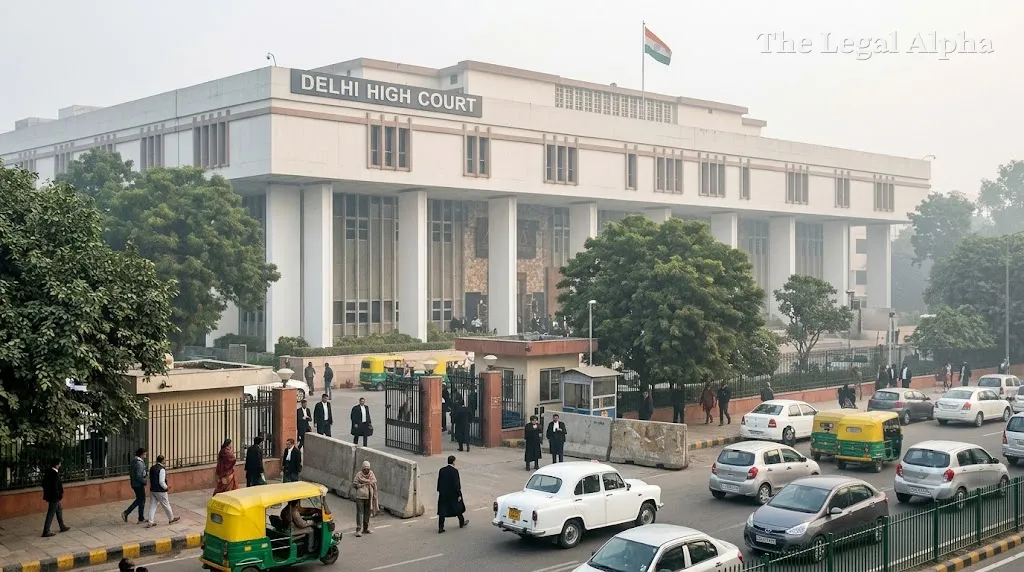
Gujarat High Court Quashes Abduction FIR Involving Jagdish Thakor, Flags Police Meddling in Civil and Land Conflicts
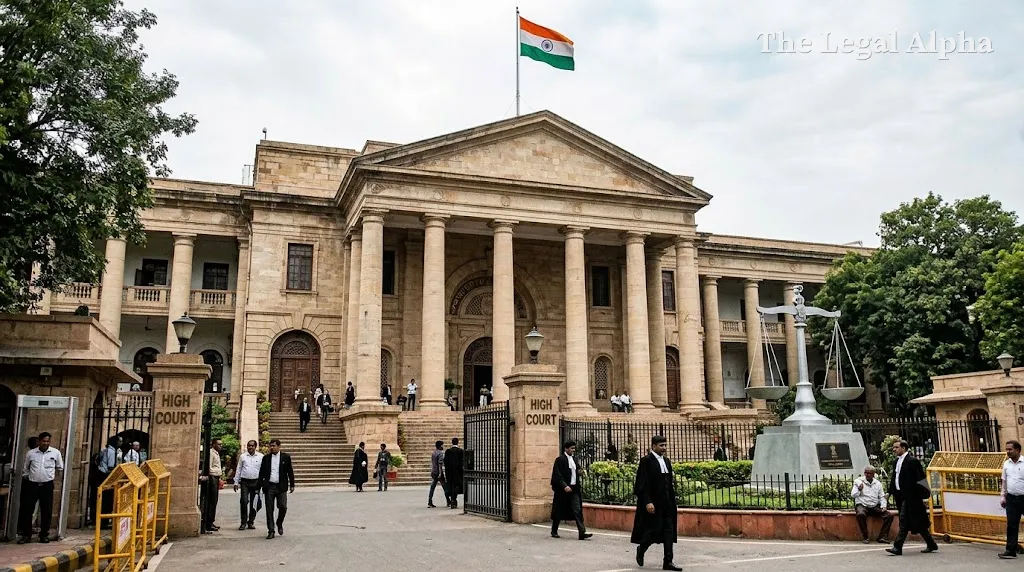
The Gujarat High Court quashed a criminal First Information Report (FIR) registered against senior Congress leader Jagdish Thakor and two other individuals concerning an alleged kidnapping linked to a high-value property dispute. The dispute stemmed from a conflict over land situated in Khoraj valued at approximately ₹150 crore. A woman had filed criminal complaints accusing the individuals of abduction in connection with the property transaction. The matter reached the High Court under its quashing jurisdiction, where both the accused and the complainant agreed to resolve the controversy amicably. While allowing the closure of the case on the basis of a mutual settlement, the bench made sharp oral observations regarding law enforcement officials acting as dispute negotiators in civil matters.
Legal Topic
-
Area of Law: Criminal Law / Extraordinary Writ & Inherent Jurisdiction
-
Sub-topic: Quashing of FIR / Abuse of Police Machinery in Civil Disputes
Core Legal Issue
The primary legal inquiry was whether criminal proceedings alleging abduction ought to continue when the contesting parties have reached an out-of-court compromise in what is fundamentally a private civil property dispute.
A secondary question arose over the limits of police jurisdiction: whether police personnel can bypass civil judicial machinery to mediate, pressure, or settle pecuniary property rows, and how the court should address specific allegations against police officers placed on record during quashing petitions.
What Did the Court Decide?
Justice Gita Gopi terminated the criminal proceedings against Jagdish Thakor and his co-petitioners after examining the affidavits filed by the contesting sides affirming an amicable settlement.
The court permitted the quashing after the petitioners and the original complainant consented to redact the names and direct allegations made against an Indian Police Service (IPS) officer from the pleadings, following objections from the State. During the proceedings, the single judge expressed strong disapproval of police officers intervening in property disputes, orally noting that litigants frequently bypass protracted civil litigation in favor of extra-legal settlements brokered by police officers. With the formal withdrawal of allegations and submission of consent affidavits, the court closed the criminal case.
Key Legal Points
-
Termination of Dispute-Induced Criminal Charges: The High Court exercised its inherent authority to annul an FIR when the dispute arose from private civil transactions and the parties arrived at a comprehensive out-of-court resolution.
-
Strictures on Extra-Judicial Police Settlement: The bench cautioned against the growing tendency of police machinery interfering in civil and property claims, emphasizing that law enforcement is not an alternative forum for civil dispute adjudication.
-
Institutional Protection of Civil Courts: The court emphasized that prolonged delays in civil court adjudications must not become a justification for litigants to approach police officers to broker instant financial or property compromises.
-
Redaction of Administrative Allegations for Settlement: The court recorded the compromise only after contentious references naming senior police personnel were excised from the affidavits upon the State's insistence.
Relevant Law
-
Section 482 of the Code of Criminal Procedure, 1973 (CrPC) / Section 528 of the Bharatiya Nagarik Suraksha Sanhita, 2023 (BNSS): Inherent powers of the High Court to prevent abuse of the process of any court and to secure the ends of justice.
-
Provisions on Kidnapping/Abduction under the Indian Penal Code / Bharatiya Nyaya Sanhita: The underlying offenses alleged in the impugned complaint.
-
Supreme Court Precedents on Settled Disputes: Rulings in Gian Singh v. State of Punjab and State of Haryana v. Bhajan Lal, which establish that criminal proceedings arising predominantly out of civil or commercial transactions can be quashed where continuation would amount to an abuse of process.
Arguments of the Parties
-
The Petitioners: Counsel for Jagdish Thakor and the other accused submitted that the criminal allegations arose entirely from a contested land deal in Khoraj. The petitioners stated that all misunderstandings and disputes had been settled amicably with the complainant, who had no objection to the quashing of the FIR. Allegations regarding improper police facilitation were also raised during arguments.
-
The Respondent / State: Public Prosecutor Hardik Dave, appearing for the State, accepted that the criminal complaint could be set aside based on the parties' compromise. However, the State raised strong objections to the naming of a serving IPS officer and the inclusion of adverse allegations against police personnel in the filed pleadings, insisting that these remarks be removed before the petition could be allowed on consent.
Why Does It Matter?
This development highlights a recurring pathology within India's criminal justice administration: using police complaints and severe criminal charges (such as abduction or extortion) as leverage in high-stake civil property transactions.
The court's candid observations address how backlogs in civil courts incentivize private parties to enlist police influence for accelerated financial recoveries. By demanding that civil matters remain within civil forums and admonishing police interference, the High Court reiterated that the integrity of judicial institutions must be guarded against parallel, extra-legal dispute resolutions conducted at police stations.
Legal Takeaway
Criminal process cannot be used as an enforcement tool to resolve civil and property disagreements. While High Courts will readily quash private disputes that have been settled out of court, police interference in resolving civil rights remains an abuse of authority that undermines the judicial process.
Sources
-
Primary Source: Gujarat High Court, Bench of Justice Gita Gopi (Oral proceedings and order quashing FIR in the Khoraj land dispute matter).
-
Additional Sources: Court reports and proceedings reported by The Times of India and Gujarat Samachar.