Fresh Summons and Religious Sentiments Suit: Dhruv Rathee Confronts Twin Defamation Actions in Delhi
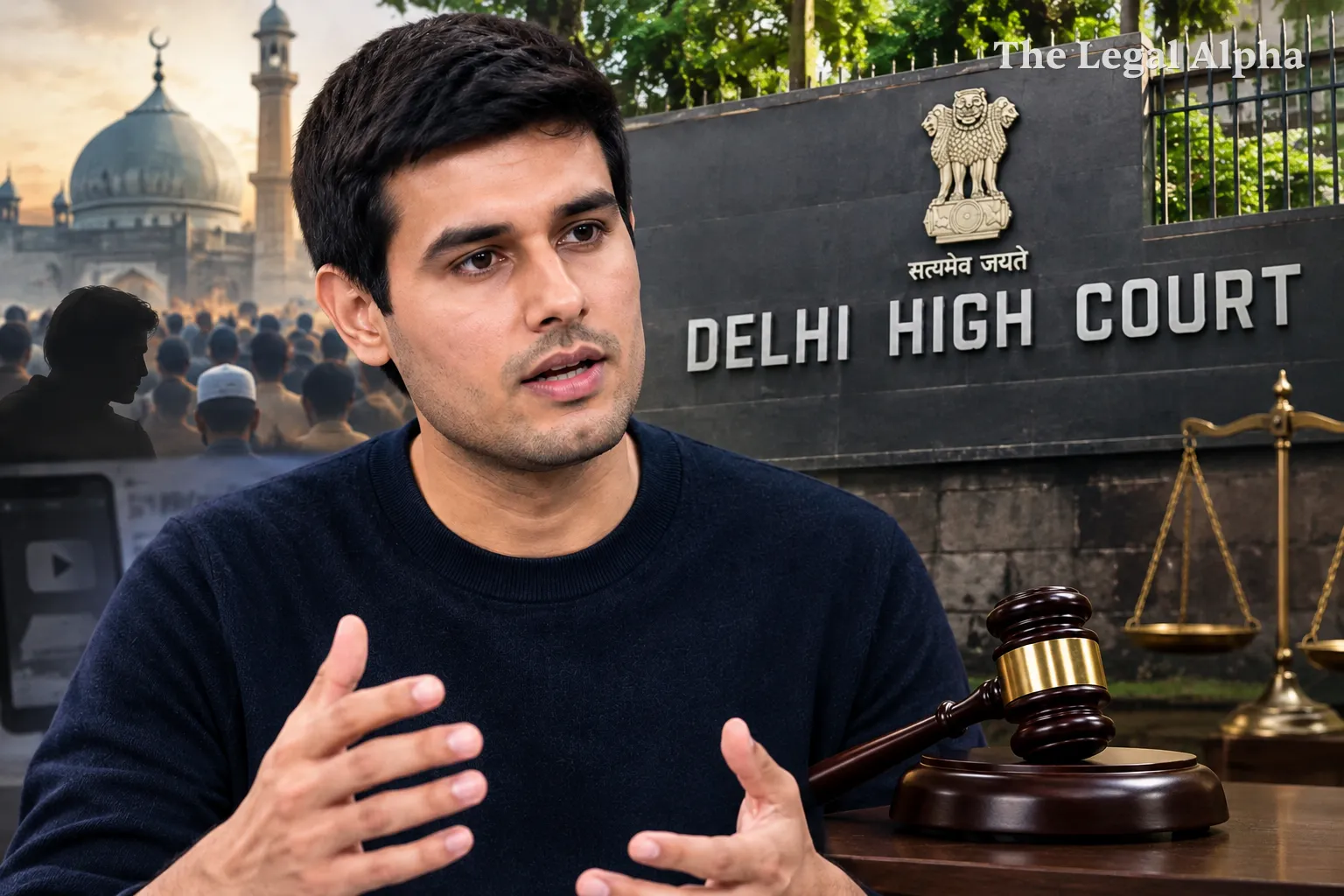
YouTuber and digital commentator Dhruv Rathee is confronting simultaneous legal proceedings before the Saket District Court in New Delhi across two distinct matters.
In the first proceeding, a magistrate issued fresh summons in an eight-year-old criminal defamation complaint originally filed in 2018 by social media activist Vikas Pandey concerning a video titled "BJP IT Cell Part 2". Following arguments that Rathee was currently available at a residence in Gurugram, Haryana, the court expedited service and authorized dasti process.
Simultaneously, a fresh civil defamation suit was filed before the Saket District Court by Supreme Court Advocate-on-Record Amita Sachdeva. The plaintiff alleges that Rathee made disparaging assertions regarding Hindu deities—specifically Lord Ram and Goddess Sita—in another video discussing dietary customs during exile. The dual developments place both historical social media commentary and recent religious commentary under direct judicial examination.
Legal Topic
-
Area of Law: Criminal Law and Civil Media Law
-
Sub-topic: Defamation / Digital Intermediary Regulations / Procedural Service of Summons
Core Legal Issue
The proceedings raise two core questions:
-
Whether long-pending criminal summons under Section 499 of the Indian Penal Code can be expedited and executed via dasti service upon an accused content creator who ordinarily resides overseas but is temporarily within domestic jurisdiction.
-
Whether an individual devotee maintains legal standing (locus standi) to bring a civil action seeking damages and declaratory relief for alleged defamation of religious deities and collective faith, or whether civil defamation strictly requires individualized reputational injury.
What Did the Court / Authority Decide?
-
Criminal Complaint (Vikas Pandey v. Dhruv Rathee): Judicial Magistrate First Class Rahul Jain noted that the complainant had been endeavoring to complete service on Rathee since an initial summoning order in July 2019. Taking note of Rathee’s reported physical presence in Gurugram, the court allowed the complainant's plea to prepone the process, directed the issuance of fresh summons, and granted permission for dasti service (enabling the complainant or representative to accompany the process server). The matter has been scheduled for further proceedings on October 17, 2026.
-
Civil Defamation Suit (Amita Sachdeva v. Dhruv Rathee): Following brief oral submissions where the plaintiff relied on precedent regarding deities possessing distinct legal juristic identity, proceedings faced technical interruptions over video conferencing. The Saket Court deferred the matter and listed the suit for resumed hearing on November 5, 2026.
Key Legal Points
-
Procedural Acceleration via Dasti Service: When an accused resides predominantly in foreign jurisdictions, courts may permit special procedural tools like dasti notices to circumvent cross-border diplomatic serving channels if local presence is demonstrated.
-
Juristic Personality vs. Defamation Action: While Indian jurisprudence recognizes consecrated idols as juristic persons capable of holding property, maintaining an actionable claim for civil defamation over theological assertions requires the court to evaluate whether the plaintiff possesses direct locus or personal cause of action.
-
Separation of Intermediary Action from Individual Liability: Regulatory action under Information Technology intermediary guidelines—such as geo-blocking or takedown directions issued by the Grievance Appellate Committee (GAC)—operates independently of personal penal or civil tort claims against content authors.
Relevant Law
-
Indian Penal Code, 1860 (IPC): Section 499 (Defamation) and Section 500 (Punishment for Defamation).
-
Code of Criminal Procedure, 1973 (CrPC) / Bharatiya Nagarik Suraksha Sanhita (BNSS): Provisions governing issuance, execution, and special modes (dasti) of summons upon an accused.
-
Code of Civil Procedure, 1908 (CPC): Order V (Issue and Service of Summons) and Order VII (Plaint and Locus Standi).
-
Information Technology Act, 2000 & IT (Intermediary Guidelines and Digital Media Ethics Code) Rules, 2021: Framework governing social media takedowns and Grievance Appellate Committee (GAC) directions.
Arguments of the Parties
In the Criminal Complaint:
-
Complainant (Vikas Pandey): Submitted that Rathee authored and distributed false allegations tarnishing Pandey's public reputation in 2018. The counsel emphasized that the trial had been virtually stalled since 2019 because Rathee resided overseas, justifying expedited summons now that he was physically present in the National Capital Region.
-
Accused (Dhruv Rathee): Contends that the commentary constituted public discourse on political networks and digital campaigning, denying any criminal intent or unlawful reputational damage.
In the Civil Suit:
-
Plaintiff (Amita Sachdeva): Argued that content alleging deity consumption of meat and alcohol severely wound religious sentiments and defame sacred figures. Addressing standing, her counsel submitted that because a deity is a recognized legal entity that cannot personally appear, devotees have the necessary legal locus to approach the bench to protect that sanctity.
-
Defense Position: Although full substantive pleadings remain pending for the November hearing, civil practice dictates that an aggrieved party must establish actionable individual damage, rather than attempting to convert generalized theological disagreements or historical debates into private tort claims.
Why Does It Matter?
This dual courtroom battle tests key boundaries of digital communication, international jurisdiction, and defamation jurisprudence in India.
First, the revival of the 2018 criminal case underscores the jurisdictional realities faced by digital creators living expatriate lives: physical entry into domestic territory can rapidly unfreeze stalled procedural summonses.
Second, the civil suit over religious commentary pushes the envelope on the doctrine of locus standi in tort law. Indian law firmly establishes that deities can be juristic persons for the purposes of property, taxation, and trust management; however, expanding that juristic status to allow individual devotees to claim civil tort damages on a deity's behalf would represent an unprecedented expansion of Indian defamation law.
Legal Takeaway
A creator’s foreign residency does not extinguish pending criminal complaints, as courts will readily grant dasti service once local presence is confirmed. In civil courts, the ongoing test is whether the threshold of personal injury in defamation can be legally stretched to cover general religious sensitivities asserted on behalf of deities.
Sources
Primary Source:
-
Saket District Court, New Delhi: Judicial Magistrate First Class Rahul Jain, Summons Order in Vikas Pandey v. Dhruv Rathee (October 14, 2026).
-
High Court of Delhi: Writ Orders in Amita Sachdeva v. Union of India & Ors. (Directing GAC adjudication and noting YouTube geo-restriction).
Additional Sources:
-
Grievance Appellate Committee (GAC) administrative notifications.
-
Saket District Court cause lists and judicial reporting by Press Trust of India (PTI) and Asian News International (ANI).