Florida Court Sentences Dwain Hall to Two Consecutive Life Terms for Murder of British Woman Sonia Exelby
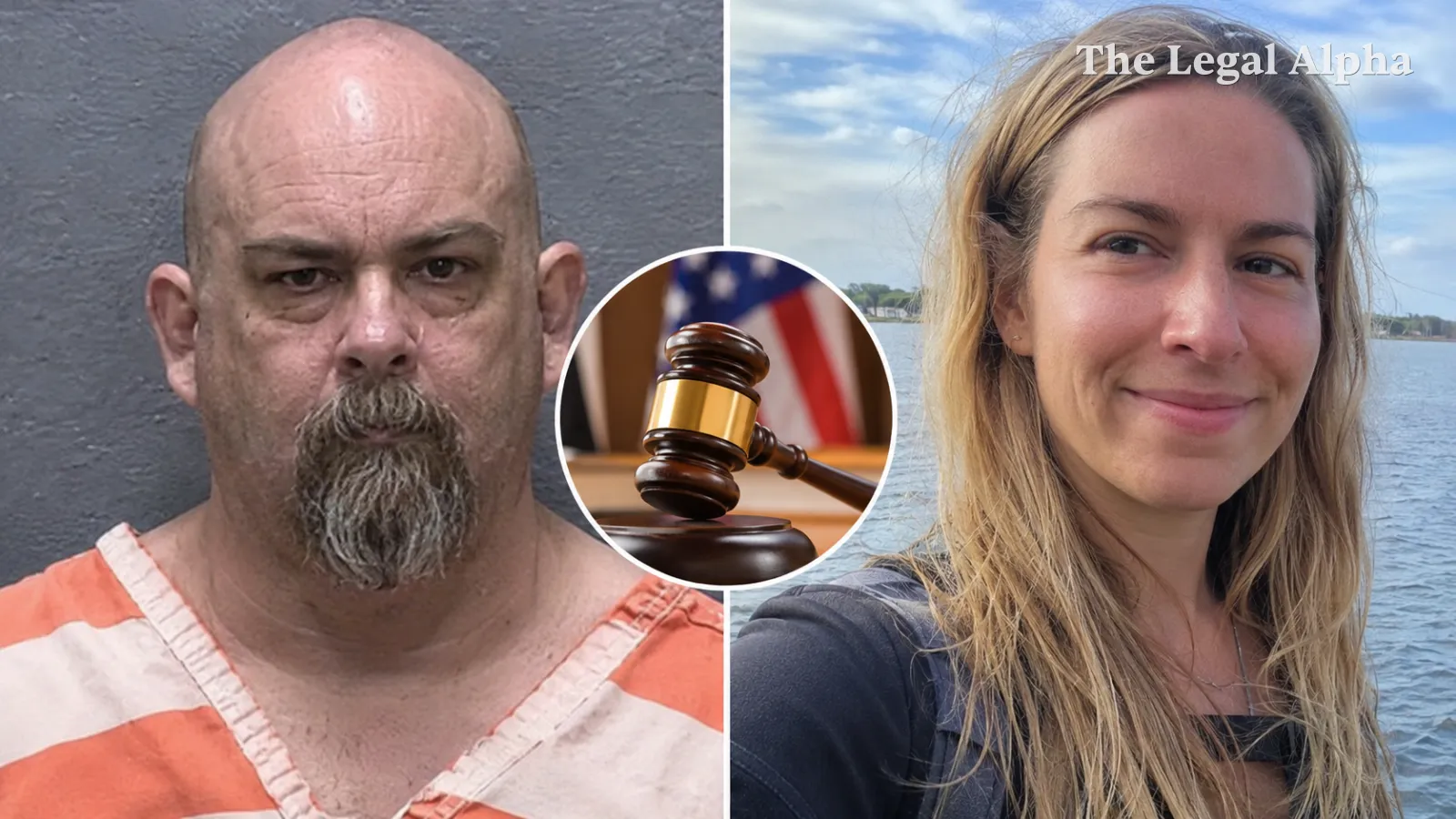
A Florida jury has convicted 54-year-old Dwain Chadwick Hall of kidnapping and premeditated first-degree murder of 32-year-old British national Sonia Exelby, following a case involving online grooming, exploitation and the killing of a vulnerable woman.
The conviction highlights an important legal question: whether a person's alleged consent to being killed can provide a defence to a charge of premeditated murder. The case also raises concerns about the exploitation of vulnerable individuals through online relationships.
What Happened?
Hall was convicted following a trial in Ocala, Florida, after prosecutors established that he had communicated with Exelby for approximately two years through an online platform before persuading her to travel from the United Kingdom to the United States.
Exelby, who lived in Southsea, Hampshire, was reported missing on October 12, 2025. Her body was discovered five days later in a shallow grave in Marion County, Florida.
According to the Florida State Attorney's Office, investigators recovered evidence connecting Hall to the crime, including a shovel containing Exelby's blood and a knife identified as the murder weapon.
Following the jury's verdict on November 20, 2026, the court sentenced Hall to two consecutive life sentences.
Legal Topic
Area of Law: Criminal Law
Sub-topic: Premeditated First-Degree Murder, Kidnapping and Criminal Responsibility
Core Legal Issue
The central legal issue concerned whether the victim's alleged willingness to participate in arrangements involving her own death could constitute a defence to a charge of premeditated first-degree murder.
The prosecution maintained that consent cannot legalise the intentional killing of another person. It also presented the case that Hall had exploited Exelby's vulnerabilities and manipulated her before bringing her to Florida.
The proceedings therefore placed particular importance on the distinction between voluntary consent and submission arising from exploitation, coercion or intimidation.
What Did the Court Decide?
The jury found Hall guilty of both premeditated first-degree murder and kidnapping. Judge Timothy McCourt subsequently adjudicated him guilty and imposed two consecutive life sentences, meaning the sentences are to be served one after the other rather than simultaneously.
The prosecution presented several pieces of evidence during the proceedings:
-
Investigators established that Hall and Exelby had communicated for approximately two years.
-
Hall had purchased a rope and shovel before Exelby's arrival in Florida.
-
Exelby's body was discovered in a shallow grave in Marion County.
-
Forensic examination found Exelby's blood on the shovel recovered from Hall's residence.
-
A knife sent by Hall to a friend outside Florida was subsequently recovered and identified as the murder weapon.
The defence argued that Exelby had travelled to the United States because she wanted to die and raised the possibility that she had inflicted the fatal injuries herself. The jury nevertheless returned guilty verdicts on both charges.
Key Legal Points
-
Premeditated murder: The prosecution secured a conviction for the intentional and premeditated killing of another person.
-
Kidnapping: The jury separately found Hall guilty of kidnapping, establishing criminal responsibility for that offence.
-
Consent and criminal liability: The proceedings addressed why alleged consent cannot be treated as a justification for intentionally killing another person.
-
Forensic evidence: Physical evidence, including blood traces and the recovered murder weapon, played an important role in establishing the prosecution's case.
-
Separate sentences: The court imposed consecutive life sentences for the two convictions.
Relevant Law
The following provisions of Florida law are relevant to the offences:
Florida Statutes, Section 782.04 – Murder
This provision defines first-degree murder to include the unlawful killing of a human being carried out with a premeditated design to cause death. It also provides for the applicable sentencing framework.
Florida Statutes, Section 787.01 – Kidnapping
This provision defines kidnapping to include unlawfully confining, abducting or imprisoning another person against their will, with specified criminal intentions. It classifies kidnapping as a first-degree felony.
Note: The official prosecution announcement confirms the convictions but does not reproduce the complete judgment or jury instructions. The statutory provisions above explain the relevant offences; they should not be mistaken for a complete account of the court's legal reasoning.
Arguments of the Parties
Prosecution
The prosecution argued that Hall had deliberately exploited Exelby's vulnerabilities and manipulated her over an extended period. It relied on forensic evidence, digital records, purchases made before her arrival and the circumstances surrounding the discovery of her body.
Prosecutors also maintained that the victim's alleged consent could not provide a legal defence to murder.
Defence
The defence argued that Exelby had travelled to the United States because she wanted to end her life. Hall's lawyer also suggested that she might have inflicted the fatal injuries herself.
The jury ultimately rejected the defence position and convicted Hall on both charges.
Why Does It Matter?
The case demonstrates the serious criminal consequences of exploiting another person's vulnerability and using an online relationship to facilitate violence.
It also highlights the limits of consent in criminal law. Even where an individual allegedly expresses a willingness to participate in conduct that could result in their death, that does not automatically provide another person with legal authority to kill them.
The case further illustrates the importance of cooperation between law enforcement agencies across international borders. Investigators in the United Kingdom and the United States worked together to trace Exelby's movements, examine digital records and establish the circumstances surrounding her death.
For online platforms and digital communities, the case also raises broader questions about identifying and responding to exploitative interactions involving vulnerable individuals.
Legal Takeaway
The conviction reinforces the fundamental principle that an individual's alleged consent does not give another person a legal right to intentionally take their life. The imposition of two consecutive life sentences also demonstrates the seriousness with which the court treated the separate offences of premeditated murder and kidnapping.
Sources
Primary Source:
Relevant Legislation:
Additional Sources: