Legal Notice Issued to Amitabh Bachchan and Sony TV Over KBC 18 Question on Punjab Bomb Attacks
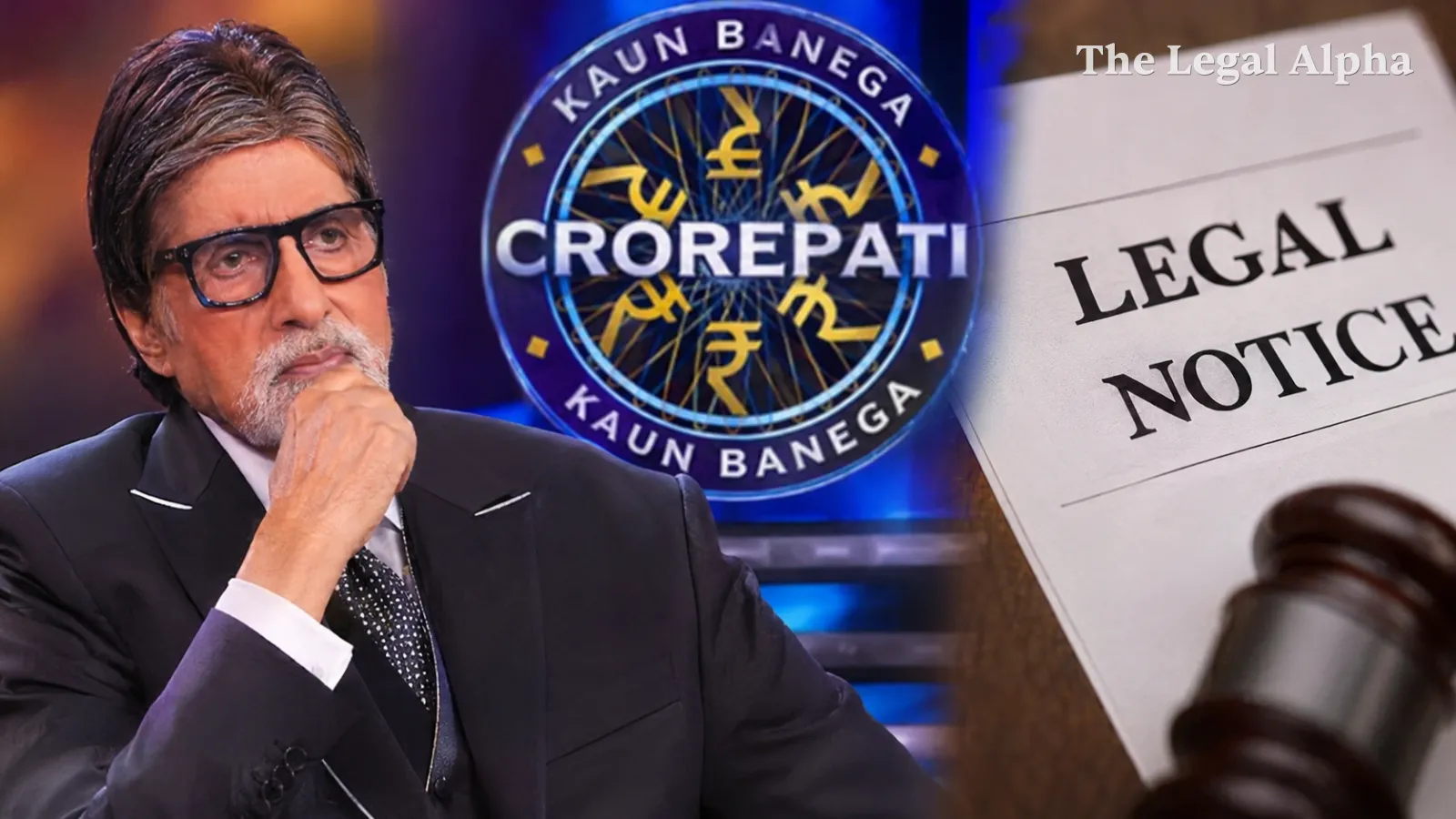
A controversy has emerged around the 18th season of Kaun Banega Crorepati (KBC) after actor Amitabh Bachchan and Sony Entertainment Television reportedly received a legal notice over a question concerning bomb attacks in Punjab.
The issue has raised concerns about the wording and presentation of a question on a nationally televised programme, particularly given the sensitivity of references to violence and security-related incidents in Punjab.
Legal Topic
Area of Law: Media Law and Defamation
Sub-topic: Alleged Defamation, Reputation of a State and Media Responsibility
Core Legal Issue
The central issue is whether the alleged question, if it was genuinely broadcast on KBC 18, could amount to an unlawful or defamatory portrayal of Punjab and harm the reputation of the state and its residents.
Another important issue concerns the authenticity of the viral footage. Before responsibility can be attributed to the programme's host or broadcaster, it must be established whether the video actually originated from an official KBC episode or was digitally manipulated.
What Did the Court / Authority Decide?
No court order or judicial decision has been reported in this matter so far.
The development currently concerns a legal notice reportedly sent by Advocate Indrajeet Arora, a lawyer based in Sangrur, Punjab, to Amitabh Bachchan and Sony TV.
The advocate has reportedly demanded:
-
Immediate removal of the disputed video from national media.
-
Clarification on whether the footage is from an actual KBC 18 episode.
-
An unconditional apology if the question was genuinely broadcast.
The authenticity of the video remains unverified. The advocate has also indicated that legal action could be considered against those responsible if the footage is found to have been fabricated.
Key Legal Points
-
Reputation and Defamation: The complaint raises questions about whether content associating a state with criminal activity could unlawfully damage its reputation.
-
Authenticity of Digital Content: Establishing whether the viral footage is genuine or artificially generated is central to determining responsibility.
-
Media Accountability: Broadcasters and programme producers may face questions about the accuracy and context of content circulated under their platforms.
-
Legal Notice: The notice represents a demand for clarification and corrective action, not a judicial finding of liability.
-
Potential Further Proceedings: Any subsequent legal action would depend on the authenticity of the footage and the legal grounds established by the complainant.
Relevant Law
The following legal areas may become relevant depending on the allegations and evidence:
-
Bharatiya Nyaya Sanhita, 2023 – Section 356: Deals with criminal defamation.
-
Constitution of India – Article 19(1)(a): Protects freedom of speech and expression.
-
Constitution of India – Article 19(2): Provides constitutionally recognised grounds for reasonable restrictions on freedom of speech, including defamation.
The applicability of these provisions has not been established in the reported matter. No specific statutory violation or court finding has been confirmed.
Arguments of the Parties
Advocate Indrajeet Arora
The Sangrur-based advocate has objected to the alleged question, arguing that connecting Punjab with bomb attacks on police stations in a general knowledge programme could damage the state's public image.
He has sought removal of the footage and an unconditional apology if it is confirmed that the question appeared in an actual episode.
He has also raised concerns about the possibility of the video being manipulated using artificial intelligence.
Amitabh Bachchan and Sony TV
As of the available reports, neither Amitabh Bachchan nor Sony Entertainment Television has issued a publicly reported response addressing the legal notice or confirming the authenticity of the footage.
Their position should therefore not be presumed.
Why Does It Matter?
The controversy highlights the growing challenges associated with viral digital content and the responsibility to establish its authenticity before attributing statements to public figures or media organisations.
For television broadcasters, the incident raises questions about editorial verification and the potential reputational consequences of content presented to millions of viewers.
It also demonstrates how AI-generated or manipulated footage can create public controversy and potentially expose individuals or organisations to allegations based on material that may not be genuine.
The matter is particularly significant because the alleged question concerns a state's public image. However, any legal assessment must distinguish between legitimate reporting about security incidents and content that may constitute unlawful defamation.
Legal Takeaway
A legal notice does not establish that defamation has occurred or that the persons named are legally responsible. The authenticity of the KBC 18 footage remains the crucial unresolved question. Any further legal consequences will depend on verification of the video, the circumstances of its circulation and the applicable law.
Sources
Primary Source: No original legal notice, court filing or judicial order was independently available for verification.
Additional Sources: