Federal Court Rejects Trump Administration's Removal of Prosecutor Maurene Comey, Ordering Retroactive Reinstatement and Back Pay
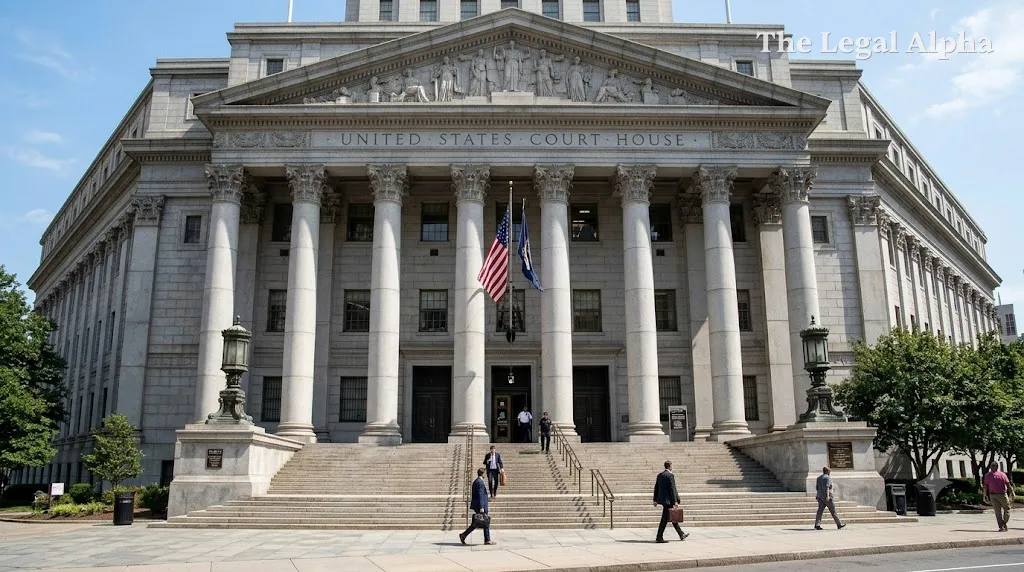
A federal court in Manhattan ruled that the Department of Justice acted unlawfully when it abruptly terminated Maurene Comey, a veteran career prosecutor in the U.S. Attorney’s Office for the Southern District of New York and daughter of former FBI Director James Comey.
Comey had served nearly a decade as an Assistant United States Attorney, leading high-profile federal prosecutions including the trials of Ghislaine Maxwell and Sean “Diddy” Combs. In July 2025, she was summarily dismissed without prior notice, explanation, or disciplinary proceedings, despite having consistently received "outstanding" performance ratings. Following her dismissal, Comey brought a civil action in federal district court alleging statutory and constitutional violations. On October 26, 2026, the court ruled in her favor, declaring the termination unlawful, ordering the Justice Department to retroactively reinstate her, and awarding back pay up to December 2025, when she transitioned into private practice.
Legal Topic
Area of Law: Constitutional & Administrative Law
Sub-topic: Civil Service Protections / Executive Removal Power & Separation of Powers
Core Legal Issue
The core legal dispute centered on whether the President’s Article II executive power grants the administration unchecked constitutional authority to summarily fire civil service employees—specifically Assistant United States Attorneys—without adhering to the statutory removal safeguards enacted by Congress.
The court had to determine whether statutory limits on the termination of career prosecutors infringe upon presidential prerogatives under the Appointments and Removal Clauses, or whether executive agencies remain bound by congressional enactments that govern the civil service unless valid cause and due process are established.
What Did the Court Decide?
U.S. District Judge Jesse M. Furman of the Southern District of New York held that Comey’s dismissal violated the constitutional separation of powers and federal statutory standards governing civil service removals.
The court rejected the government’s jurisdictional defense that Comey was required to seek administrative relief exclusively before the Merit Systems Protection Board, holding that federal courts retain subject-matter jurisdiction to resolve direct Article II constitutional challenges to executive actions. On the merits, Judge Furman dismissed the administration's broad interpretation of presidential removal powers as wholly without merit, finding that recent Supreme Court jurisprudence did not grant the executive branch blanket authority to ignore statutory employment safeguards.
The court granted Comey retroactive reinstatement to the date of her dismissal and directed the Justice Department to award back pay through December 20, 2025, the date she entered the private sector. The Justice Department has indicated it intends to appeal the decision.
Key Legal Points
-
Separation of Powers Enforces Statutory Limits: The executive branch cannot override congressional civil service frameworks by invoking generalized Article II removal authority over non-principal officers.
-
Jurisdictional Reach of District Courts: Where an adverse employment action is executed on purported constitutional executive grounds rather than routine civil service administrative procedures, federal district courts possess jurisdiction to adjudicate the constitutional dispute directly.
-
Limitations of Executive Precedent: Supreme Court precedents permitting the at-will removal of heads of independent multimember agencies do not automatically extend to line-level civil servants or career Assistant United States Attorneys.
-
Due Process in Public Employment: Summary dismissals of career civil servants with established records of satisfactory performance, conducted without notice or procedural recourse, violate both statutory and constitutional protections against arbitrary administrative action.
Relevant Law
-
U.S. Constitution, Article II, Section 1 & Section 2: Executive Vesting Clause and the Appointments Clause.
-
Civil Service Reform Act of 1978 (CSRA) (5 U.S.C. § 1101 et seq.): Statutory framework establishing merit-based retention, adverse action standards, and procedural protections for federal civil servants.
-
Title 28, United States Code, Section 542: Statutory appointment and removal authority governing Assistant United States Attorneys.
-
Relevant Precedents: Humphrey’s Executor v. United States (1935) and recent Supreme Court jurisprudence concerning executive branch supervisory and removal authorities over federal agencies.
Arguments of the Parties
Petitioner / Plaintiff
Maurene Comey contended that her dismissal was unlawful, arbitrary, and an impermissible violation of civil service protections. She maintained that the termination was motivated by political retribution and a personal vendetta against her father rather than any deficiency in professional conduct or performance. She argued that line prosecutors are protected under federal statutes and regulations that bar retaliatory and non-merit dismissals, and that the executive branch exceeded its constitutional authority by bypassing these established statutory requirements.
Respondent / Government
The Justice Department contended that the federal district court lacked jurisdiction because the plaintiff failed to exhaust administrative remedies through the Merit Systems Protection Board. On the substantive merits, the government submitted that the Attorney General possesses broad statutory authority under federal law to remove Assistant United States Attorneys. The administration further asserted that the President's Article II authority grants executive leadership plenary power to dismiss subordinate executive officers at will, relying on recent Supreme Court rulings that expanded executive control over agency personnel.
Why Does It Matter?
Judge Furman’s ruling establishes an essential legal boundary for career civil service personnel amid continuous legal efforts to expand the "unitary executive" doctrine. If the administration's legal theory had prevailed, it would have effectively eroded the longstanding distinction between politically appointed officials and career, non-partisan civil servants across the federal government.
By strictly distinguishing line-level federal prosecutors from policy-making agency heads, the decision reinforces the institutional independence of the Department of Justice. It provides immediate judicial precedent reaffirming that career prosecutors cannot be removed at will as political instruments without following statutory procedures. Although an appeal to the Second Circuit will test whether higher courts will narrow civil service immunities further, the decision stands as a clear limit on the unilateral use of Article II authority against the career workforce.
Legal Takeaway
The ruling establishes that the executive branch's constitutional removal powers do not grant it the license to dismantle statutory civil service protections for career line prosecutors without cause or due process. For federal employees and administrative bodies, the decision affirms that career positions remain insulated by law from summary, politically motivated termination.
Sources
Primary Source:
-
U.S. District Court for the Southern District of New York, Memorandum Opinion and Order by District Judge Jesse M. Furman (Decided October 26, 2026).
Additional Sources:
-
Title 28, United States Code, Section 542 (Appointment and Removal of Assistant United States Attorneys).
-
Civil Service Reform Act of 1978 (5 U.S.C. § 1101 et seq.).