Federal Agents Search Residence of Representative Ilhan Omar in Ongoing Investigation
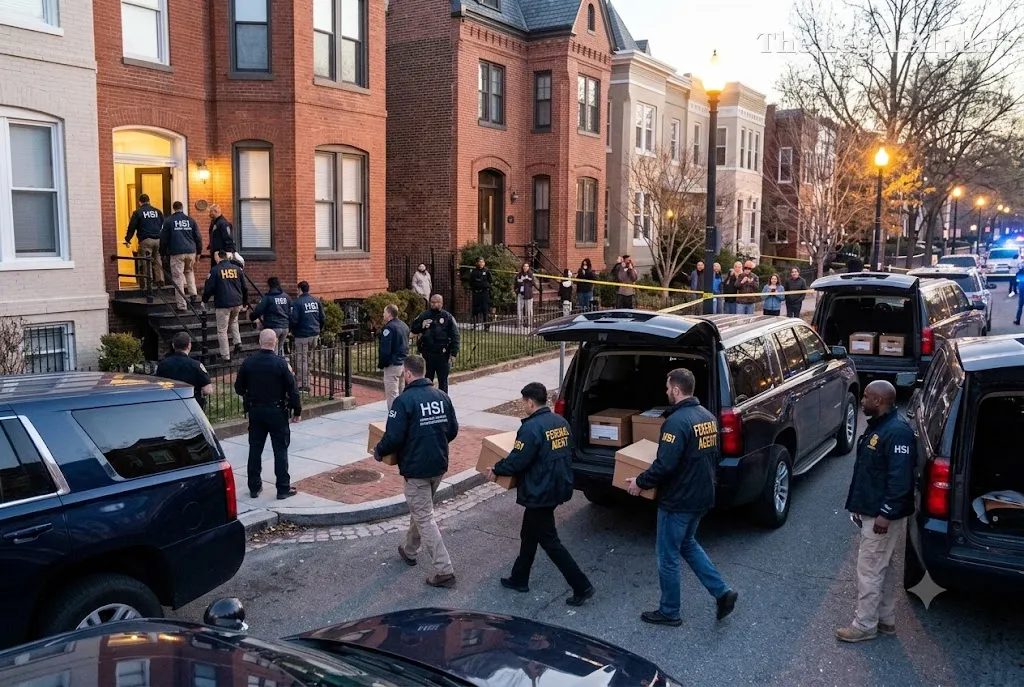
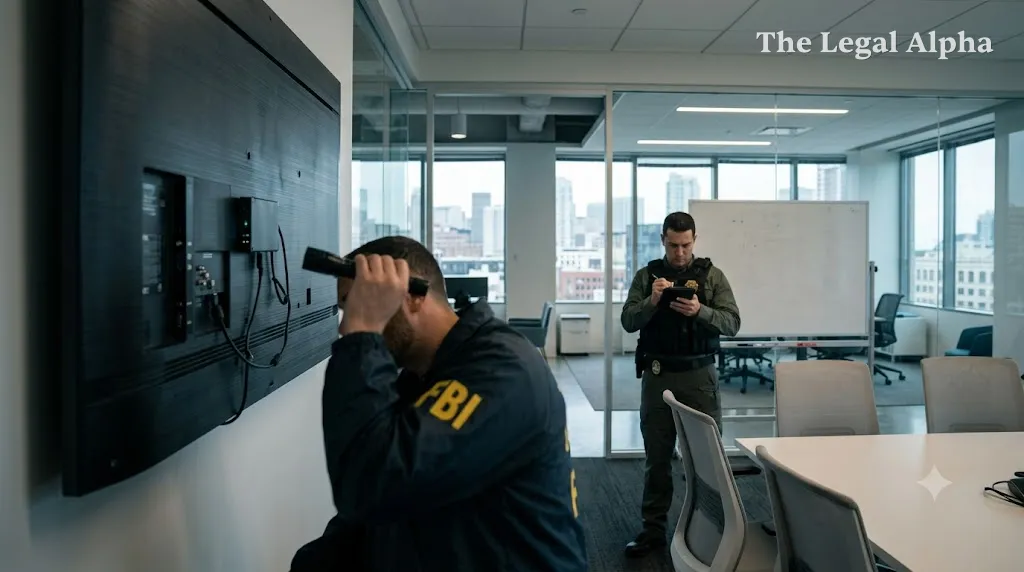
Homeland Security Investigations (HSI) personnel, working under the coordination of the U.S. Department of Justice, executed a judicially authorized search warrant at the Washington, D.C., residence of Democratic U.S. Representative Ilhan Omar.
The enforcement action forms part of a broader federal criminal probe, which authorities indicate involves allegations relating to immigration and financial fraud. Federal searches targeting the personal home of a sitting member of the United States Congress are exceedingly rare and carry significant legal and constitutional scrutiny. Omar condemned the search immediately, describing the operation as politically motivated weaponization of federal law enforcement.
Legal Topic
-
Area of Law: Criminal Procedure & Constitutional Law
-
Sub-topic: Fourth Amendment Search Warrants / Congressional Immunity
Core Legal Issue
The primary legal issue concerns whether the Department of Justice met the threshold requirement of probable cause before an independent federal magistrate judge to justify searching the private residence of an incumbent federal lawmaker.
A secondary question involves how investigators navigate statutory and constitutional safeguards—particularly evidentiary standards, attorney-client or legislative privilege claims, and the boundaries of executive law enforcement powers against members of the legislative branch.
What Did the Court / Authority Decide?
A federal magistrate judge authorized the search warrant after finding sufficient probable cause to believe that evidence of federal offenses could be recovered from the premises.
The authorization permitted federal agents to enter, secure, and search the property for specific categories of materials identified in the warrant application. No formal indictment, arrest, or criminal charges have been filed against Representative Omar at this juncture. The underlying affidavit supporting the warrant remains under judicial seal, and the investigation remains pending.
Key Legal Points
-
Evidentiary Standard for Search Warrants: The execution of a search warrant requires an independent judicial officer to establish probable cause based on sworn affidavits detailing specific, reliable facts.
-
Execution Does Not Equal Guilt: The issuance of a search warrant is an investigative procedure and does not represent a determination of criminal liability or a formal filing of charges.
-
Speech or Debate Safeguards: While the U.S. Constitution provides members of Congress immunity for legislative acts, that protection does not create blanket immunity from ordinary criminal investigations or non-legislative offenses.
-
Special Protocols for Sensitive Inquiries: Internal Department of Justice guidelines generally mandate high-level approvals, filter teams ("taint teams"), and heightened caution when gathering evidence concerning elected officials to safeguard privileged and legislative material.
Relevant Law
-
Fourth Amendment to the U.S. Constitution: Protects against unreasonable searches and seizures and establishes that no warrants shall issue without probable cause supported by oath or affirmation.
-
Article I, Section 6, Clause 1 of the U.S. Constitution (Speech or Debate Clause): Protects lawmakers from executive or judicial questioning regarding their core legislative acts.
-
Federal Rules of Criminal Procedure, Rule 41: Governs the issuance, execution, and return of federal search and seizure warrants.
-
Justice Manual (U.S. Department of Justice): Regulates heightened supervisory review and taint-team procedures for sensitive searches of public figures and elected representatives.
Arguments of the Parties
Department of Justice and Federal Law Enforcement
Federal authorities submitted that the search was conducted strictly in accordance with federal law, pursuant to a lawful warrant approved by a federal judge. The Department of Justice maintained that the action is part of an ongoing, evidence-based criminal inquiry into alleged fraud and that law enforcement must impartially follow evidentiary leads regardless of the subject's public office.
Representative Ilhan Omar and Defense Counsel
Representative Omar contended that the investigation and subsequent search represent an abuse of power and an unconstitutional attempt to intimidate an active political critic. Defense representatives argued that the allegations are unsubstantiated, that investigators failed to communicate through standard voluntary processes, and that federal powers are being deployed selectively for political retaliation.
Why Does It Matter?
Federal enforcement actions directed at sitting legislators have wide-reaching ramifications for the separation of powers in the United States. Searches of lawmakers' residences invariably test the limits of executive investigatory power against the autonomy of the legislative branch.
If investigators seized materials touching upon committee work, constituent communications, or official legislative files, the proceedings will likely prompt privilege challenges and motions for the return of property under Rule 41(g). Furthermore, the matter highlights the role of judicial oversight in evaluating whether federal warrant requests against political figures satisfy constitutional standards rather than partisan motivations.
Legal Takeaway
A judicially authorized search warrant confirms that a magistrate found probable cause that evidence of a crime may exist at a location, but it does not constitute a finding of criminal wrongdoing. Federal investigations involving public officials must clear substantial Fourth Amendment hurdles and procedural protections to ensure official duties and privileged materials are not unconstitutionally compromised.
Sources
-
Primary Source: U.S. Department of Justice Statement on the execution of a judicially authorized search warrant in Washington, D.C.
-
Additional Sources: Court records regarding federal warrant execution under Fed. R. Crim. P. 41; Public statements from the U.S. Department of Homeland Security / Homeland Security Investigations (HSI) and the Office of Rep. Ilhan Omar.