Exploitation Under Guise of Faith-Healing: Kerala High Court Confirms 10-Year Sentence for Sexual Assault of Elderly Woman
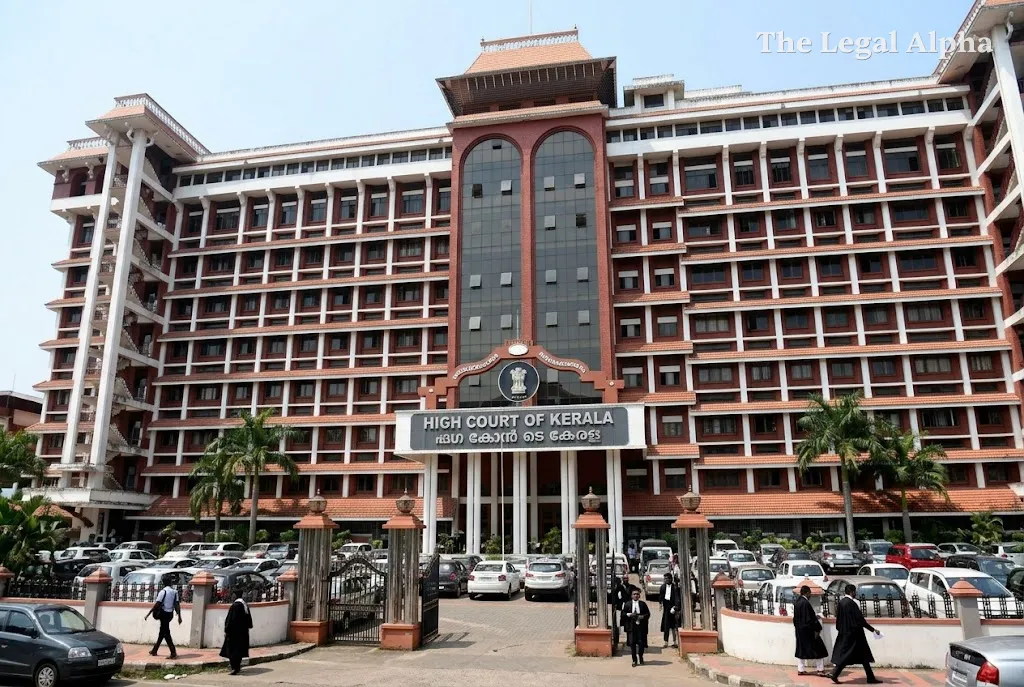
The Kerala High Court has dismissed an appeal filed by an accused who was convicted of sexually assaulting a 73-year-old woman in Thrissur after entering her home under the pretext of driving away evil spirits.
The incident took place in October 2022 when the accused, who had visited the elderly woman previously, claimed she was possessed by evil spirits causing her physical ailments. Under the guise of performing rituals and curing her, he subjected her to sexual assault and digital penetration. Following a trial in September 2024, the trial court found him guilty of rape and sexual harassment, handing down a 10-year term of rigorous imprisonment along with financial penalties. Justice A. Badharudeen of the High Court evaluated the evidentiary record and affirmed both the conviction and the sentence.
Legal Topic
Area of Law: Criminal Law
Sub-topic: Sexual Offences / Evaluation of Sole Witness Testimony in Delayed FIRs
Core Legal Issue
The primary legal issue was whether a conviction for sexual assault can be sustained solely upon the testimony of an elderly survivor when there is a 19-day delay in lodging the First Information Report (FIR), slight date discrepancies, and an absence of physical or genital injuries during the subsequent medical examination.
The High Court considered whether these procedural and medical factors were sufficient to cast reasonable doubt on the prosecution's case, or if the survivor's consistent and credible evidence stood sufficient on its own merits to prove the offences beyond reasonable doubt.
What Did the Court Decide?
Justice A. Badharudeen dismissed the criminal appeal and affirmed the conviction recorded by the trial court.
The High Court held that minor inconsistencies regarding the exact date of occurrence and an absence of bodily injuries do not undermine the core veracity of the survivor's account, especially considering her advanced age and the nature of digital rape. The Court observed that delays in reporting sexual abuse, particularly when involving elderly victims subjected to social stigma and familial trauma, are natural and do not fatalise the prosecution. The 10-year rigorous imprisonment term along with the ₹1 lakh fine for rape and concurrent 3-year term for sexual harassment were sustained in full.
Key Legal Points
-
Credibility of Survivor's Testimony: The consistent and natural testimony of a sexual assault survivor does not require external corroboration if it inspires judicial confidence, even when the survivor is elderly and minor memory lapses occur regarding incidental dates.
-
Absence of Visible Injury: The absence of genital trauma or physical lacerations during medical examination does not negate an offence of digital penetration or sexual harassment under the Indian Penal Code.
-
Explanation for FIR Delay: Delay in filing a complaint in sexual assault matters is not fatal when adequately explained by the survivor's hesitation, psychological distress, or social embarrassment.
-
Abuse of Spiritual Trust: Exploiting faith-based vulnerabilities or rituals to obtain physical proximity does not vitiate the non-consensual nature of an assault.
Relevant Law
-
Section 376 of the Indian Penal Code (IPC): Punishment for rape, encompassing non-consensual penetration including digital rape under the amended statutory framework.
-
Section 354A of the Indian Penal Code (IPC): Sexual harassment and punishment for unwelcome physical contact and advances.
-
Section 114A of the Indian Evidence Act, 1872: Presumption as to absence of consent in certain prosecutions for rape where sexual intercourse is proved and the victim states that she did not consent.
Arguments of the Parties
Appellant
The appellant argued that the prosecution's case was plagued by substantial evidentiary infirmities, most notably an unexplained 19-day delay in lodging the complaint with the police. The defence further pointed out discrepancies concerning the exact date of the alleged visit and emphasized that the victim's medical examination revealed no signs of struggle, genital trauma, or physical force, asserting that the allegations were concocted.
State
The State contended that the elderly woman's testimony was straightforward, coherent, and free from material embellishments. The Public Prosecutor submitted that delay in reporting was entirely understandable given the trauma and societal hesitation experienced by a 73-year-old living in a domestic setting. Furthermore, the State maintained that medical absence of injury is common in cases involving digital assault without violent physical resistance, thereby providing no basis to disturb the trial court's verdict.
Why Does It Matter?
This ruling reinforces established jurisprudence that courts must assess sexual assault evidence through the lens of human experience rather than hyper-technical evidentiary benchmarks.
By refusing to discard the prosecution's case on the grounds of delayed reporting or lack of physical injuries, the decision underscores that elderly victims remain uniquely vulnerable to spiritual manipulators and charlatans. The judgment serves as a deterrent against individuals exploiting superstition and faith healing to commit gender-based violence, clarifying that procedural lags caused by social stigma will not shield perpetrators from full criminal liability.
Legal Takeaway
The absence of physical injuries or a delay in registering an FIR does not dismantle a sexual assault prosecution if the survivor’s testimony remains cogent and trustworthy. Faith-based deception to secure access or facilitate abuse provides no defence against rigorous criminal penalties under the law.
Sources
Primary Source:
Judgment of the High Court of Kerala in Muhammed v. State of Kerala (Criminal Appeal No. 2143 of 2024), delivered by Justice A. Badharudeen.
Additional Sources:
Records of the Trial Court Proceedings (Thrissur); High Court of Kerala Cause Lists and Case Status.