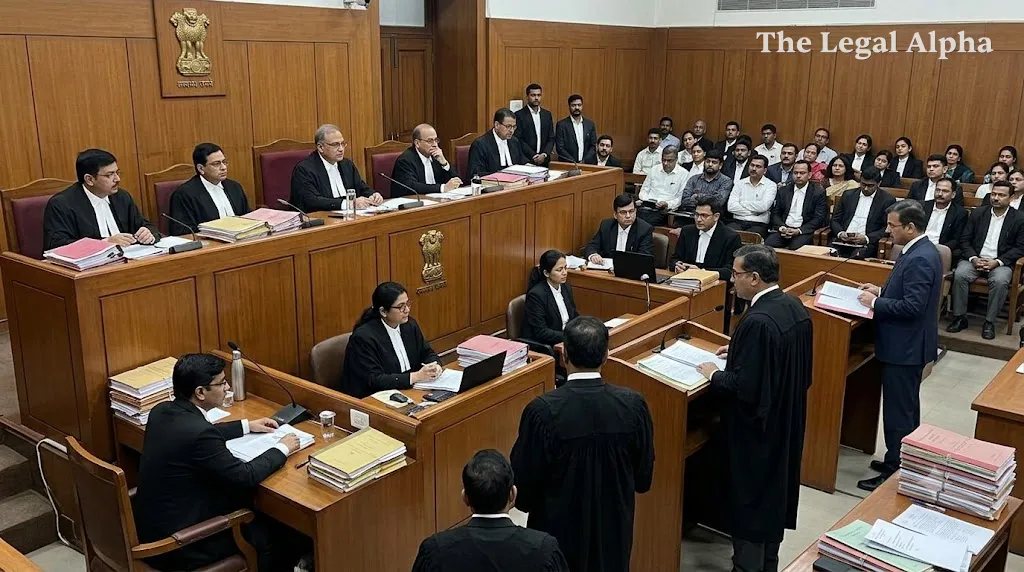
Electoral Roll Revisions Under Scrutiny After Auto-Generated Deletion Forms Omit Statutory Grounds in Uttar Pradesh
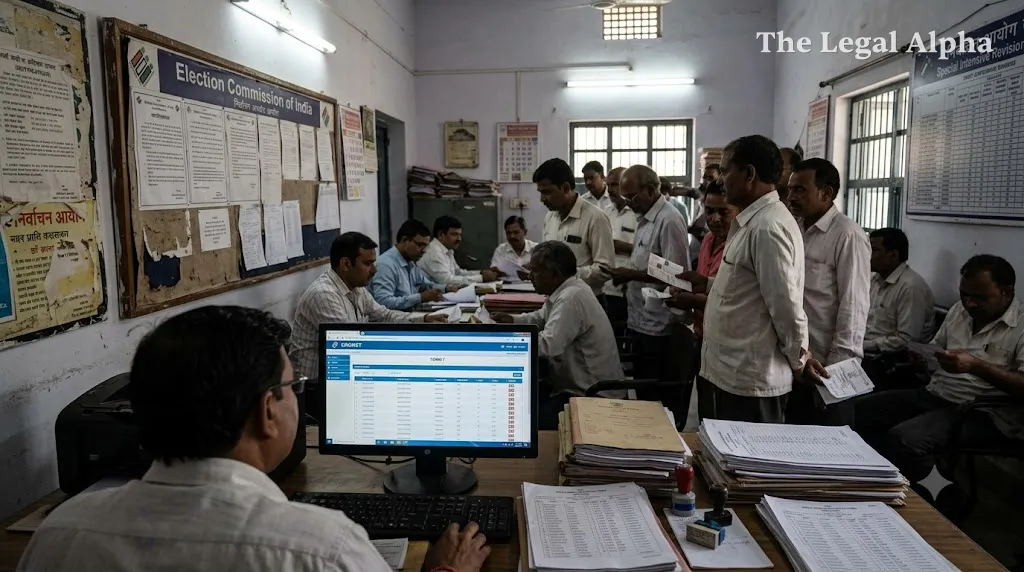
Disclosures from the office of the Chief Electoral Officer (CEO) of Uttar Pradesh have triggered procedural concerns regarding the Special Intensive Revision (SIR) of electoral rolls. An analysis of publicly uploaded Form 7 filings—the statutory format prescribed for objecting to voter entries or seeking exclusions—revealed that more than 85,000 deletion requests generated through the Election Commission of India's (ECI) ERONET portal failed to cite specific factual grounds or explanations.
In a public clarification, Uttar Pradesh Chief Electoral Officer Navdeep Rinwa disputed allegations of procedural misconduct, stating that these forms were system-generated during the disposal of hearings involving unmapped voters and logical discrepancies rather than arbitrary purges. However, the controversy has brought administrative decision-making in voter roll management into focus, as administrative law and election guidelines require reasoned justifications before an elector's franchise can be extinguished.
Legal Topic
-
Area of Law: Constitutional & Election Law
-
Sub-topic: Electoral Roll Maintenance / Administrative Due Process & Delegated Legislation
Core Legal Issue
The controversy centres on whether an automated digital system used by election authorities can bypass the requirement to record specific reasons when proposing or effecting the deletion of a voter's name from an electoral roll.
Under statutory election rules, an Electoral Registration Officer (ERO) must record a speaking order or distinct reasons when acting on an objection. The legal question is whether pre-populating digital forms without factual justifications, or substituting specific grounds with generic systemic codes or single letters, meets statutory standards of natural justice and election procedural law.
What Did the Authority Decide?
The Chief Electoral Officer maintained that the revision exercise adhered to the overarching mandate of purifying the electoral register ahead of assembly elections.
The administration explained that the contentious Form 7s arose after local registration officers conducted hearings to review draft rolls, specifically regarding electors with structural anomalies or logical discrepancies. When claims were disallowed following verification, the backend software automatically generated the deletion paperwork carrying the officers' digital authorizations. The authority characterised the volume of bulk complaints as numerically minor in the context of the state's total electorate and stated that subsequent administrative safeguards—including transaction limits on individual deletion applications—were deployed to curb potential abuse.
Key Legal Points
-
Duty to Pass a Speaking Order: Election jurisprudence and statutory guidelines require quasi-judicial authorities, such as Electoral Registration Officers, to record reasons when entertaining or allowing deletions from an electoral roll.
-
Validity of Automated Quasi-Judicial Actions: The automatic population of objections without detailed reasons raises questions about whether algorithmic processes can stand in for administrative discretion and substantive application of mind.
-
Burden of Proof in Electoral Challenges: The statutory architecture governing voter lists places the burden of demonstration on the person or authority raising an objection, mandating that the affected elector receive clear notice of the specific allegations against their registration.
-
Protection of Franchise: The right to vote, while a statutory and constitutional right, cannot be curtailed through summary or defective administrative mechanisms without offering a genuine opportunity to respond.
Relevant Law
-
The Representation of the People Act, 1950: Sections 21, 22, and 23, governing the preparation, revision, and correction of electoral rolls, as well as the procedure for suo motu deletions by registration officers.
-
The Registration of Electors Rules, 1960: Rule 13 (Form of claims and objections), Rule 20 (Inquiry into claims and objections), and Rule 21A (Deletion of names), prescribing the usage of Form 7 and the mandatory requirement of hearing and recording findings.
-
Article 326 of the Constitution of India: Providing the constitutional foundation for adult suffrage and registration on electoral rolls.
Arguments of the Parties
Civil Liberties and Watchdog Observers Critics and investigative observers argued that generating thousands of Form 7 objections without setting out individual reasons violates the statutory design of the Registration of Electors Rules. They contended that an elector cannot mount an effective defense during a verification hearing if the underlying objection states no verifiable ground or contains only single-letter entries. They further submitted that using automated backend scripts to attach officers' digital signatures creates systemic risks of unlawful voter disenfranchisement.
The State Electoral Machinery The CEO's office submitted that the Special Intensive Revision was executed under lawful supervisory directives to purge deceased, shifted, duplicate, or unverified entries. The administration maintained that the automated generation of Form 7 documentation was merely a procedural mechanism following hearings on logical discrepancies, rather than an arbitrary removal without inquiry. The authority emphasized that proper statutory verification took place and that the scale of multi-form objections remained insignificant within the broader electorate.
Why Does It Matter?
Electoral rolls serve as the foundational bedrock of representative democracy. If the administrative processes governing voter lists rely on automation that sidesteps clear statements of reason, electors risk wrongful deletion without meaningful avenues for administrative appeal.
As public administrative bodies increasingly deploy automated software to process statutory functions, this development underscores the boundary between software automation and quasi-judicial responsibility. When software tools do not capture statutory justifications, the integrity of the process faces legal vulnerability, establishing a critical test case for digital governance and due process in electoral management.
Legal Takeaway
Automated administrative workflows cannot replace the requirement for reasoned decision-making in quasi-judicial functions. Where election rules require an objection or order to specify reasons, system-generated filings that omit factual justifications risk compromising constitutional due process and opening administrative deletions to judicial review.
Sources
-
Primary Source: Official Statements and Clarifications by the Chief Electoral Officer, Uttar Pradesh, regarding Special Intensive Revision (SIR) and Form 7 Electoral Disclosures.
-
Statutory Framework: Representation of the People Act, 1950; Registration of Electors Rules, 1960.
-
Additional Sources: Analytical reporting and public records investigation by The Reporters' Collective.