Federal Justice Department Gives California 48-Hour Ultimatum Over Alleged Noncitizen Voter Registrations
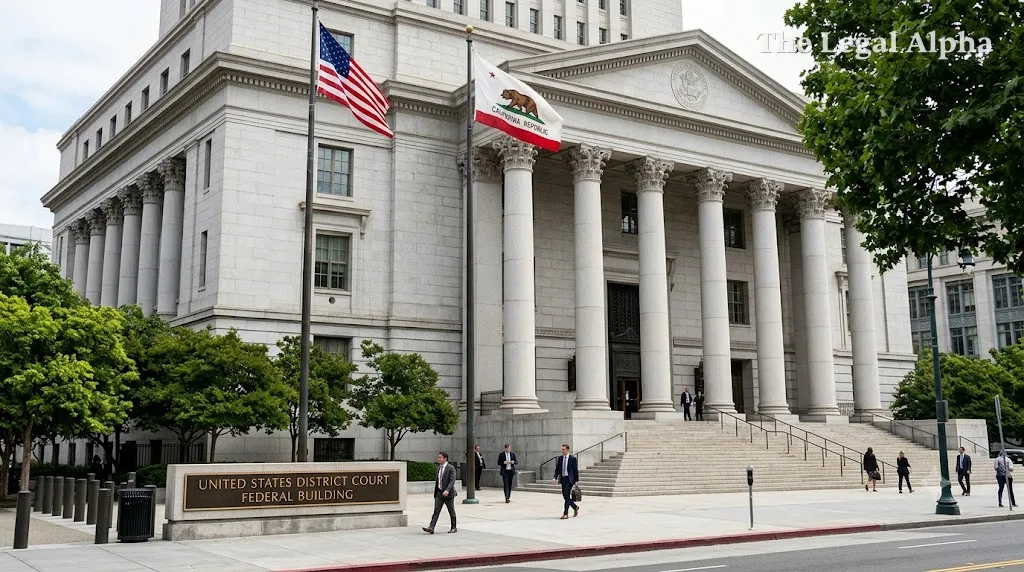
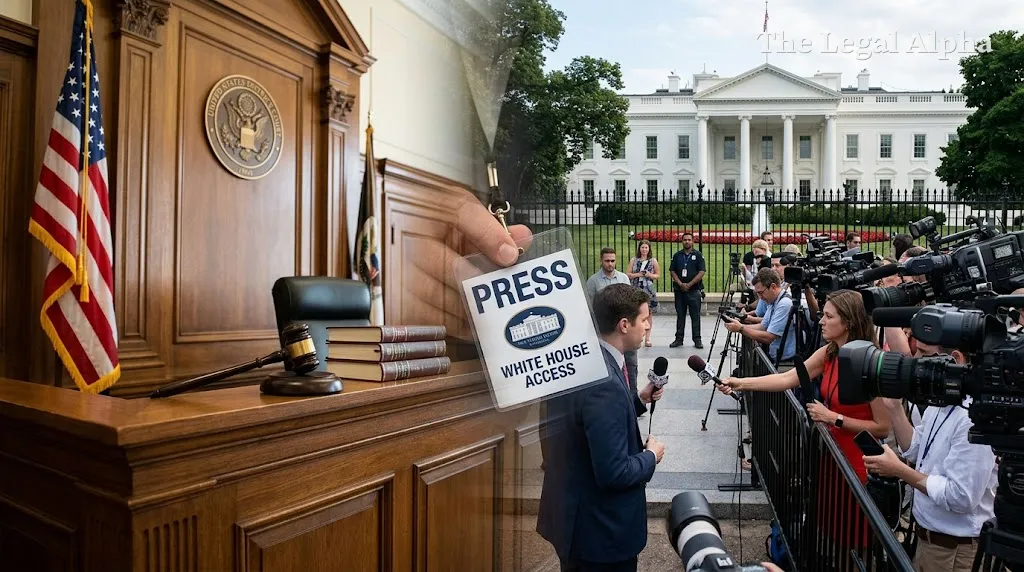
The United States Department of Justice issued a formal warning to California election officials, threatening federal legal action unless the state investigates and audits voter records containing suspected noncitizens within 48 hours.
In a letter addressed to California Secretary of State Shirley Weber, federal authorities stated that local officials, including those in Los Angeles County, were provided with encrypted voter data flagging individuals the federal government believes are not U.S. citizens. Because California conducts universal vote-by-mail elections, the Justice Department expressed urgency that ballots may have already been dispatched or could be cast by ineligible individuals. The confrontation represents an escalating jurisdictional clash between federal law enforcement and state election administrators over the management of voter rolls and federal citizenship requirements in the lead-up to general elections.
Legal Topic
Area of Law: Constitutional & Election Law
Sub-topic: Voter List Maintenance / Federal vs. State Election Administration
Core Legal Issue
The primary legal dispute centers on the boundary between federal oversight authority and state constitutional sovereignty over election management: Specifically, whether the federal Department of Justice can compel a state election authority, under threat of emergency injunctive relief, to conduct expedited list-maintenance and purge procedures against flagged registrations immediately prior to an election.
This conflict implicates federal statutory limits—most notably the National Voter Registration Act (NVRA)—which strictly regulates how and when states may systematically remove names from registration rolls, particularly during statutory "quiet periods" before federal polling dates.
What Did the Court / Authority Decide?
No court has rendered a ruling yet, as the dispute currently rests at the administrative demand stage:
-
Acting Assistant Attorney General R. Trent McCotter issued the formal demand letter to Secretary of State Shirley Weber.
-
Federal authorities provided an encrypted flash drive containing identified registrations to election officials for verification.
-
The Justice Department set a strict 48-hour compliance window for California officials to review the provided records and verify eligibility.
-
Federal prosecutors warned that failure to take corrective measures will trigger an immediate motion for emergency relief in federal district court.
Key Legal Points
-
Federal Preemption vs. State Election Administration: Under Article I, Section 4 of the U.S. Constitution (the Elections Clause), states hold primary responsibility for administering elections, subject to congressional statutory standards.
-
Statutory Timing Safeguards: Section 8 of the National Voter Registration Act establishes a 90-day "Quiet Period" prohibiting systematic removal programs shortly before federal elections to safeguard eligible voters from erroneous purges.
-
Emergency Injunctive Standards: If the federal government files suit, it must satisfy traditional preliminary injunction standards, showing a likelihood of irreparable harm and demonstrating that individual noncitizen registrations cannot be resolved through ordinary post-election validation procedures.
-
Evidentiary Threshold for Systematic Removal: Federal agencies relying on external government databases (such as immigration records) must demonstrate that their matching methodology accounts for naturalization status changes and administrative clerical errors.
Relevant Law
-
U.S. Constitution, Article I, Section 4, Clause 1 (Elections Clause): Prescribes the times, places, and manner of holding congressional elections to state legislatures, while reserving congressional oversight authority.
-
National Voter Registration Act of 1993 (NVRA), 52 U.S.C. § 20507: Governs state voter registration list maintenance, public record inspections, and restrictions on systematic voter purges.
-
Help America Vote Act of 2002 (HAVA), 52 U.S.C. § 21083: Mandates centralized, interactive statewide voter registration databases and basic identity verification mechanisms.
-
18 U.S.C. § 611: Federal criminal statute penalizing noncitizens who vote in federal elections.
Arguments of the Parties
Department of Justice / Federal Authority
Federal officials contend that the presence of noncitizens on state registration lists compromises ballot integrity and undermines public trust. The Department argues that states have an affirmative statutory obligation to maintain accurate rolls and that election officials cannot knowingly permit ballots to be distributed to individuals flagged as noncitizens by federal records. Consequently, the federal government asserts it possesses lawful standing to seek emergency intervention to halt unlawful voter participation.
State Election Officials
California authorities typically contend that state laws strictly mandate U.S. citizenship for voter registration, backed by criminal perjury penalties for fraudulent attestation. The state maintains that federal data matches are frequently plagued by outdated immigration datasets that fail to reflect newly naturalized citizens. Furthermore, state officials argue that abrupt, mass audits immediately preceding an election run afoul of federal quiet-period rules, risking the disenfranchisement of legitimate voters due to flawed cross-referencing.
Why Does It Matter?
This confrontation reflects a deepening systemic tension between federal oversight bodies and state-run decentralized voting regimes. A swift move toward litigation would force federal courts to rule on whether targeted cross-database matching qualifies as an individualized removal or an impermissible systematic pre-election purge under the NVRA.
Beyond California, the outcome sets a precedent for how federal law enforcement utilizes immigration records against state voter rolls nationwide. If emergency federal relief is granted on short notice, local election clerks will face compliance pressures and heightened risk of erroneously stripping eligible naturalized citizens of their right to vote. Conversely, a denial would reaffirm the primacy of state voter administration frameworks against last-minute federal directives.
Legal Takeaway
Under federal law, states bear the direct constitutional responsibility for managing voter registries, and systematic purges conducted in close proximity to an election are constrained by strict statutory quiet periods. While federal authorities can initiate legal action to ensure list accuracy, any mandatory purge demands must withstand rigorous evidentiary scrutiny to avoid unlawfully disenfranchising naturalized American citizens.
Sources
Primary Source:
Official correspondence and formal notice from the U.S. Department of Justice (Voting Section / Acting Assistant Attorney General R. Trent McCotter) to California Secretary of State Shirley Weber.
Additional Sources:
-
Reuters News Service: Reporting on federal correspondence issued to California election officials.
-
National Voter Registration Act of 1993 (52 U.S.C. § 20501 et seq.).
-
California Secretary of State Election Administration Guidelines & Procedures.