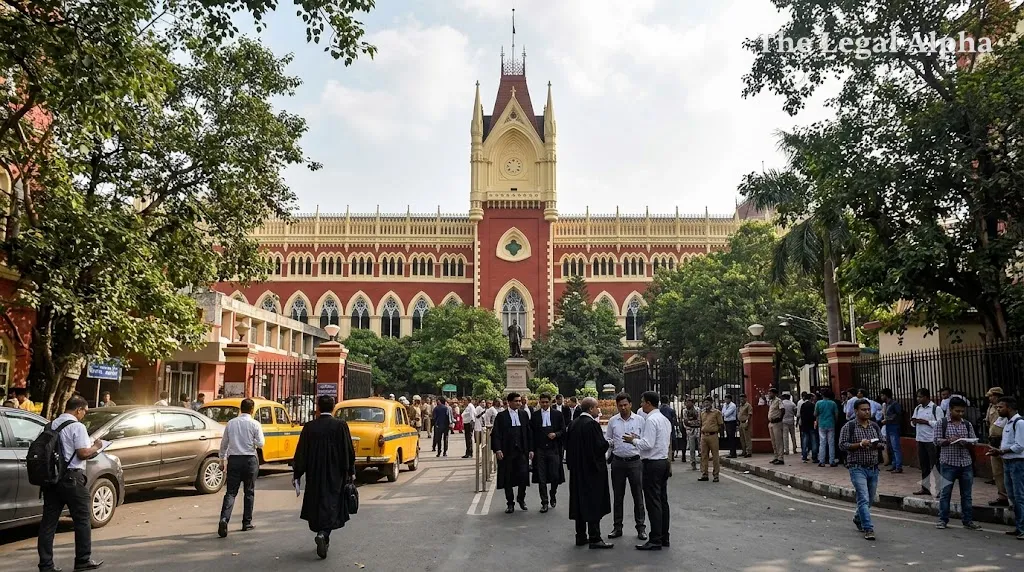
Calcutta High Court Declines Judicial Monitoring of Chorebagan Stampede Probe, Clears State to Appoint Retired Judge
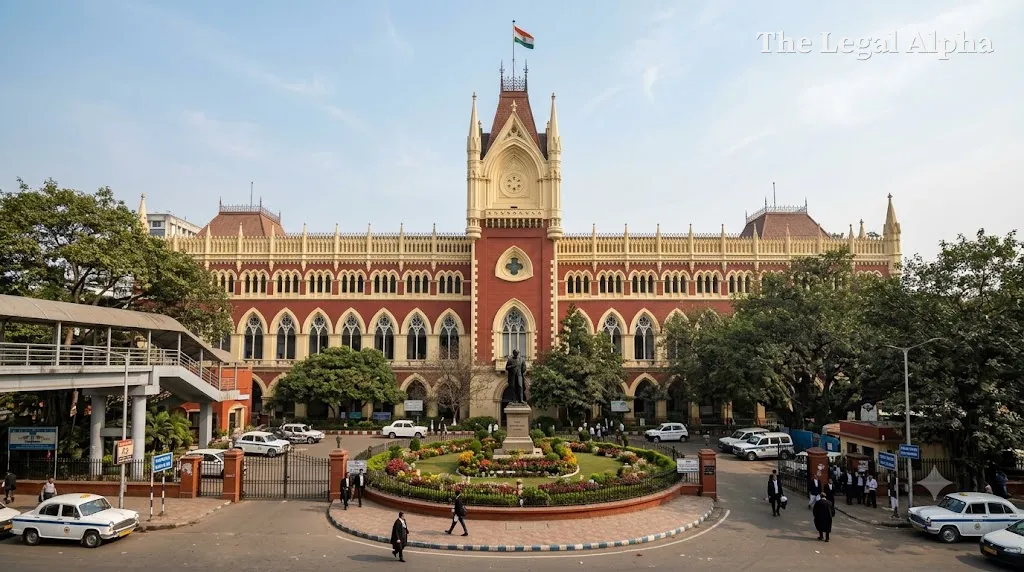
The Calcutta High Court declined to initiate court-monitored oversight over the investigation into the stampede at the Chorebagan Sarbojanin Durga Puja pandal in north Kolkata, which claimed 19 lives and left at least 25 people injured.
Following the tragedy, which occurred amid rain and severe crowd congestion on Maha Saptami, the West Bengal government sought judicial guidance on constituting a high-level fact-finding inquiry. Addressing the matter, a Bench headed by Chief Justice Ravindra Vithalrao Ghuge ruled that judicial supervision is not warranted at this threshold stage and directed the state administration to constitute an inquiry commission headed by a retired High Court judge of its choice.
Legal Topic
-
Area of Law: Public Law / Administrative Law
-
Sub-topic: Commissions of Inquiry / Judicial Oversight
Core Legal Issue
The central issue before the High Court was whether the judiciary should immediately step in to supervise an ongoing disaster investigation, and whether a sitting High Court judge could or should be spared to head an executive fact-finding commission into administrative and crowd-control lapses.
Courts are routinely asked to balance the necessity of judicial oversight against the separation of executive and judicial duties, particularly when standard investigative machinery and statutory inquiry provisions are already available.
What Did the Court Decide?
Chief Justice Ravindra Vithalrao Ghuge clarified that the High Court would not directly oversee the probe at this juncture, affirming that routine oversight of initial investigations risks overstepping judicial bounds.
On the question of the inquiry commission's leadership:
-
The Court declined to spare a sitting judge of the High Court to head the inquiry panel, adhering to settled jurisprudence and administrative limitations.
-
The Court permitted the West Bengal government to select and nominate a retired High Court judge to lead the inquiry under statutory framework.
-
The Court clarified that it reserves the right to examine the matter at a later stage once the inquiry commission concludes its work and submits its final findings.
Key Legal Points
-
Judicial restraint dictates that constitutional courts should not prematurely intervene to monitor police or administrative investigations unless manifest bias, bad faith, or institutional failure is demonstrably established.
-
The High Court reiterated the established norm against drafting sitting judges into ad hoc fact-finding bodies, avoiding undue strain on regular judicial dockets.
-
The state government retains full statutory prerogative to appoint a retired judge to conduct an inquiry under the Commissions of Inquiry Act, 1952.
-
Declining immediate judicial monitoring does not extinguish judicial review; courts retain the authority to evaluate inquiry reports, procedural fairness, and remedial outcomes once the final report is tabled.
Relevant Law
-
Article 226 of the Constitution of India: Powers of High Courts to issue writs and oversee administrative inaction or fundamental rights violations.
-
Commissions of Inquiry Act, 1952 (Section 3): Empowers appropriate governments to appoint a Commission of Inquiry consisting of one or more members, including retired judges, to investigate matters of public importance.
-
Supreme Court Jurisprudence on Sparing Sitting Judges: Established guidelines cautioning against deploying sitting constitutional court judges for executive-mandated inquiries unless extraordinary public circumstances demand it.
Arguments of the Parties
-
The State Administration: The West Bengal government submitted that the tragic loss of life warranted an independent, transparent, and authoritative inquiry to uncover crowd-control failures, lapses by pandal organizers, and potential dereliction by municipal and law enforcement personnel. It initially broached the appointment of a sitting judge to ensure maximum public confidence.
-
The Court's Stance: The Bench noted that administrative investigations and fact-finding processes must operate through established statutory mechanisms. The judiciary emphasized that sparing sitting judges disrupts ongoing court functioning and that retired judges possess equal competence and independence to conduct thorough inquiries.
Why Does It Matter?
This decision reaffirms the operational boundaries between the judiciary and the executive during public disaster inquiries. By refusing to preemptively monitor the investigation, the High Court prevents the blurring of supervisory roles and investigative responsibilities.
For state governments, the ruling underscores that executive fact-finding mechanisms—specifically commissions led by retired judges—must run their statutory course before seeking judicial stamp or intervention. It sets a disciplined standard for disaster governance, ensuring investigative agencies and inquiry commissions remain accountable to statutory standards while preserving constitutional court oversight for appropriate post-inquiry review.
Legal Takeaway
Constitutional courts will not routinely monitor administrative investigations at the threshold stage where established statutory inquiry mechanisms exist. State governments must rely on retired judges to head inquiry commissions, with judicial review remaining accessible only after findings are finalized or upon demonstrable institutional failure.
Sources
-
Primary Source: Calcutta High Court, Bench of Chief Justice Ravindra Vithalrao Ghuge, Order/Directions dated October 20, 2026, in the Chorebagan Durga Puja Stampede Inquiry Matter.
-
Additional Sources: Reports and notifications concerning the Chorebagan Sarbojanin Durga Puja stampede investigation, Kolkata Police SIT proceedings, and Section 3 of the Commissions of Inquiry Act, 1952.