Andhra Pradesh Urban Local Body Polls: YSRCP Approaches Supreme Court Citing Physical Intimidation and Blocked Nominations
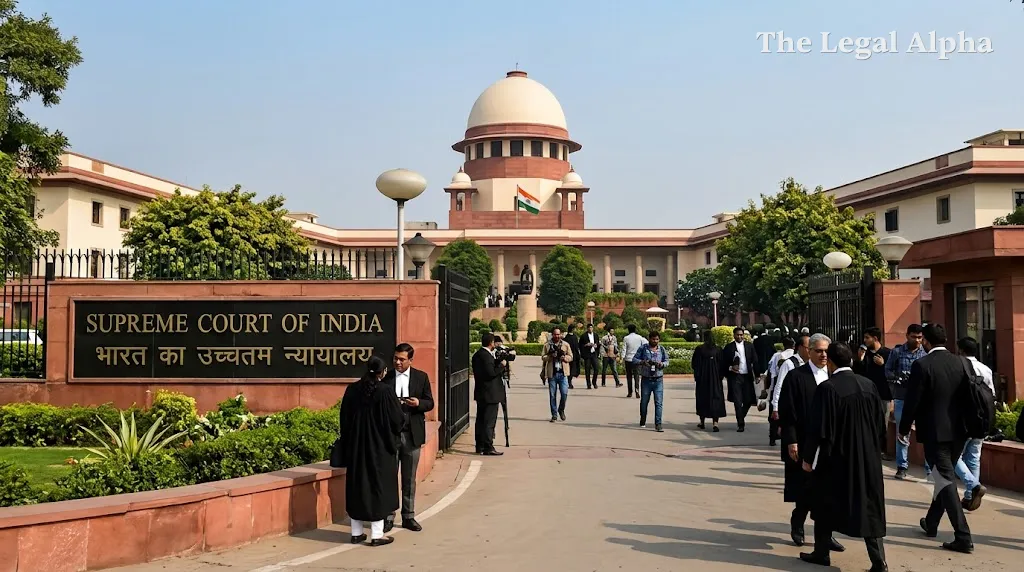
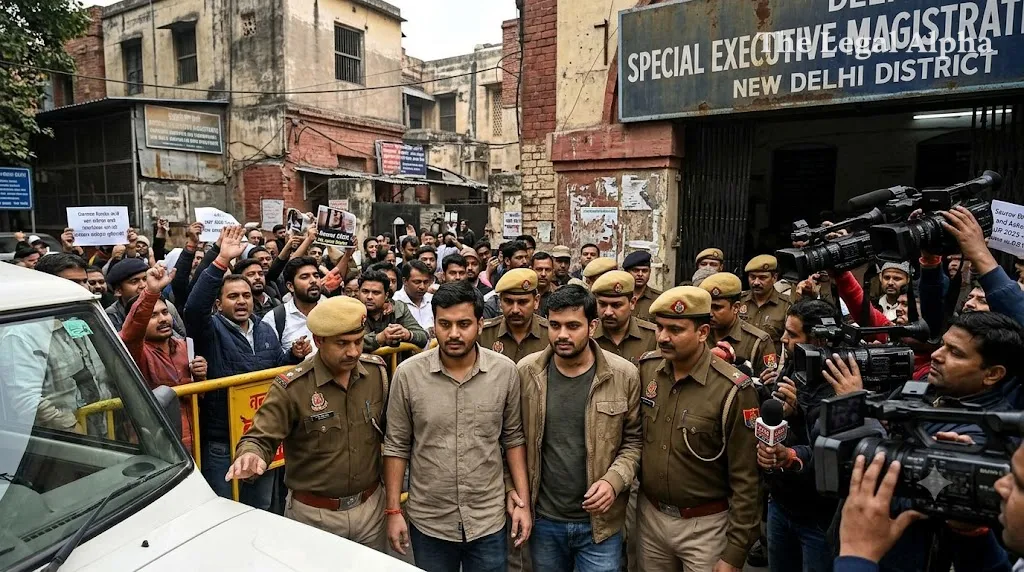
The Yuvajana Sramika Rythu Congress Party (YSRCP) has petitioned the Supreme Court of India, alleging that targeted violence and physical intimidation systematically prevented its prospective candidates from submitting nomination papers for upcoming urban local body elections in Andhra Pradesh.
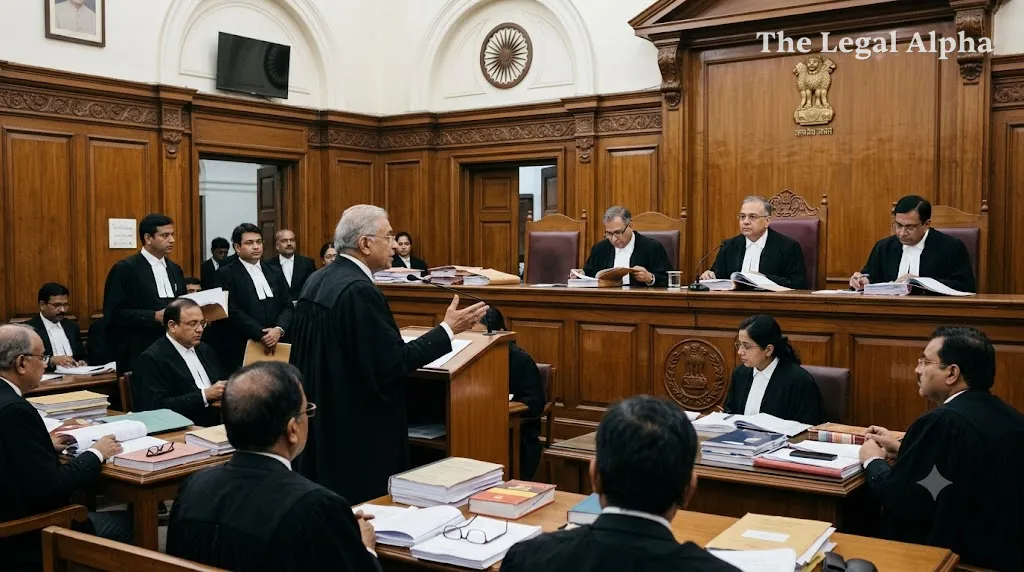
The move comes after a Division Bench of the Andhra Pradesh High Court declined to grant an interim extension of the nomination deadline, observing that issuing such a direction once the prescribed filing window had closed would amount to impermissible judicial interference with an ongoing election schedule. Approaching the apex court through Advocate-on-Record Mahfooz A. Nazki, the political party has urged the top court to invoke its extraordinary constitutional powers to extend the nomination window and restrain election authorities from declaring candidates elected unopposed in the affected municipal wards.
Legal Topic
-
Area of Law: Constitutional Law & Election Law
-
Sub-topic: Judicial Non-Interference in Ongoing Elections vs. Fundamental Right to Free and Fair Electoral Participation (Articles 243-ZG, 226, and 32)
Core Legal Issue
The controversy centres on whether the constitutional doctrine prohibiting courts from intervening in ongoing election processes acts as an absolute jurisdictional bar, or whether Constitutional Courts must intervene when unlawful violence prevents prospective candidates from participating in the nomination process.
Specifically, the court is called upon to determine whether the expiry of a statutory nomination deadline forecloses judicial relief when the expiry itself is alleged to be the direct outcome of physical obstruction and intimidation, and whether holding elections under such conditions violates the basic feature of free, fair, and democratic elections.
What Did the Court / Authority Decide?
-
High Court Order: The Andhra Pradesh High Court rejected the party's interim plea seeking a one-day extension for submitting nominations, holding that courts cannot alter or elongate election schedules once the statutory cutoff has passed.
-
Current Status at Supreme Court: The special leave petition has been placed before the Supreme Court. The matter remains pending for listing and preliminary adjudication, with the petitioner seeking an urgent stay against declaring un-contested winners until the issues regarding candidate obstruction are examined.
Key Legal Points
-
Doctrine of Judicial Restraint: While Article 243-ZG of the Constitution of India and well-settled precedent generally prohibit courts from stalling an election process once notified, the petition contends that this doctrine is a principle of judicial prudence rather than an insurmountable constitutional barrier.
-
Protection of Electoral Franchise: The plea highlights that when candidates are forcefully prevented by violence from reaching returning officers, non-intervention by constitutional courts effectively validates coercive practices and subverts democratic choice.
-
Consequential Expiry: The petitioner posits that the State cannot rely on the expiration of the nomination timeline as a legal defense when the state machinery's failure to maintain law and order directly caused prospective candidates to miss the deadline.
-
Interim Injunction on Unopposed Returns: The petition raises a critical procedural question regarding whether election returning officers should be stayed from issuing unopposed certificates of election in seats where candidates have submitted sworn affidavits stating they were physically blocked from filing.
Relevant Law
-
Article 243-ZG of the Constitution of India: Bar to interference by courts in electoral matters concerning municipalities.
-
Article 32 & Article 226 of the Constitution of India: Extraordinary writ jurisdiction of the Supreme Court and High Courts to protect fundamental rights.
-
Relevant Precedents on Election Jurisprudence: The line of authorities following N.P. Ponnuswami v. Returning Officer (1952) and Mohinder Singh Gill v. Chief Election Commissioner (1977) on the scope of judicial non-interference in active polls, balanced against decisions requiring the facilitation of free and fair elections.
Arguments of the Parties
Petitioner (YSRCP)
The petitioner argued that widespread clashes, assaults, and snatching of nomination papers in municipal areas—such as Punganur, Rayachoti, Kadapa, and Tirupati—deprived its candidates of their fundamental ability to contest the polls. Supported by sworn affidavits of affected candidates, the party submitted that the principle of judicial non-intervention cannot become a shield for illegality. They contended that constitutional courts bear a duty to intervene when the democratic process is undermined, emphasizing that the passing of the deadline was a direct result of violent obstruction rather than candidate negligence.
State Election Commission / State Machinery
Before the High Court, the State Election Commission maintained that once an election notification is issued and the statutory timeline lapses, any judicial order directing the acceptance of fresh nominations or extending deadlines disrupts the settled calendar and amounts to impermissible meddling in the electoral machinery. They argued that the proper legal remedy for aggrieved participants lies in challenging elections via election petitions post-declaration of results, rather than seeking interim writ relief during the election cycle.
Why Does It Matter?
The petition touches upon an enduring tension in Indian public law: how constitutional courts must respond when local body polls are marred by allegations that ruling establishments use intimidation to engineer "unopposed" victories. While the hands-off doctrine established under Articles 329(b) and 243-ZG exists to prevent frivolous litigation from stalling democratic mandates, an inflexible bar risks leaving candidates without immediate recourse if physical force prevents them from even entering the contest.
Any findings or procedural directions issued by the Supreme Court could provide essential guidance on whether election commissions are obligated to establish alternative, digitized, or secure secondary filing mechanisms when local disturbances obstruct physical access to returning officers.
Legal Takeaway
Judicial restraint during ongoing elections aims to ensure the timely completion of the democratic process, but it cannot override the constitutional guarantee of free and fair elections. The Supreme Court's assessment will clarify whether proven physical obstruction of candidates justifies an exception to the bar against altering active election schedules.
Sources
-
Primary Source: Special Leave Petition filed before the Supreme Court of India (YSR Congress Party v. State Election Commission & Ors.); Andhra Pradesh High Court Division Bench Order dated October 18, 2026.
-
Additional Sources: Filings through Advocate-on-Record Mahfooz A. Nazki; High Court bench proceedings presided over by Justice N. Jayasurya and Justice Chinthala-Pudi Purushotham Kumar.