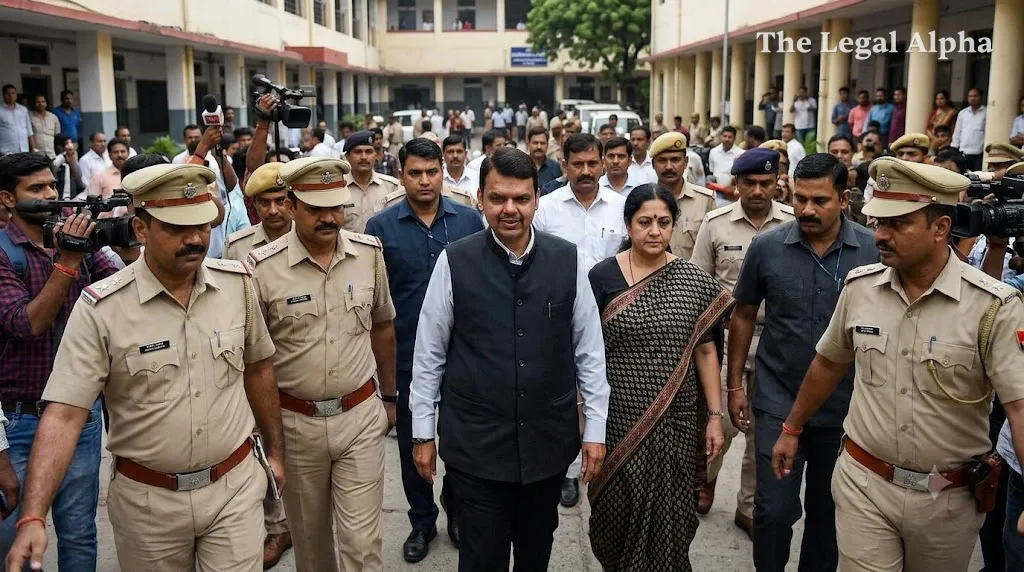
Delhi Executive Magistrate Extends Judicial Custody of CJP Leaders Saurav Das and Ashutosh Ranka Over Jantar Mantar Stir
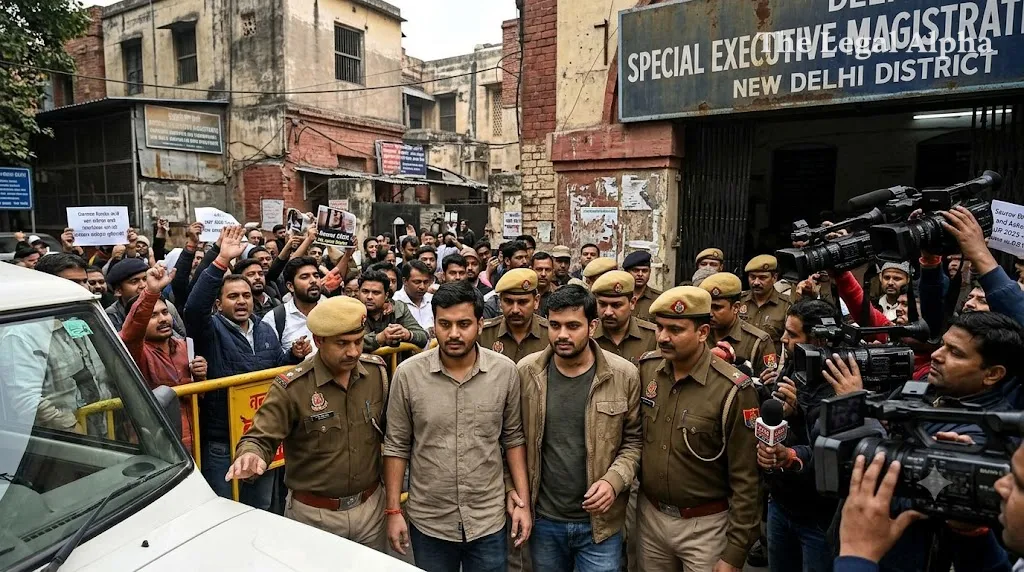
A Special Executive Magistrate court in New Delhi extended the judicial custody of Cockroach Janta Party (CJP) co-convenors Saurav Das and Ashutosh Ranka by two days. The two leaders were originally detained on October 13 following an agitation at Jantar Mantar—a historic protest venue recently denotified by municipal authorities—where they allegedly scaled barricades, unfurled the national flag, and raised slogans protesting the Chief Election Commissioner and electoral roll revisions.
Following their initial remand to five days of judicial custody on allegations of violating earlier executed peace bonds, the leaders sought release on bail. However, the proceedings encountered delays when the initial magistrate recused after reporting threats, and subsequent sureties submitted on behalf of the leaders were rejected for verification insufficiencies, prompting the magistrate to prolong their detention.
Legal Topic
Area of Law: Criminal Procedure & Preventive Detention
Sub-topic: Preventive Bonds / Remand Powers of Executive Magistrates / Right to Peaceful Assembly
Core Legal Issue
The matter centers on whether an Executive Magistrate acting under preventive jurisdiction can legitimately keep individuals remanded to judicial custody over the alleged breach of peace bonds when substantive criminal FIRs have already been registered separately.
It further involves determining the statutory extent of a magistrate's discretion to reject furnished bail sureties and prolong preventive custody without formally concluding regular bail hearings.
What Did the Court / Authority Decide?
The newly designated Special Executive Magistrate declined immediate release and extended the judicial remand of Saurav Das and Ashutosh Ranka for an additional two days.
The court acted on an application by the Delhi Police, who argued that releasing the leaders posed a continuous apprehension of public order violations and repeated breaches of peace undertakings. The court ordered the leaders to be produced again upon the expiry of the two-day remand period. The question of regular release remains contingent on satisfying the magistrate with fresh, verified sureties.
Key Legal Points
-
Bifurcated Jurisdiction: The case operates under parallel tracks—preventive detention initiated under Sections 126 and 170 of the Bharatiya Nagarik Suraksha Sanhita (BNSS), running alongside substantive FIRs lodged under penal provisions of the Bharatiya Nyaya Sanhita (BNS).
-
Scrutiny of Sureties: An Executive Magistrate possesses statutory power to examine the sufficiency and fitness of sureties tendered under Chapter VIII peace proceedings, but such scrutiny cannot be exercised arbitrarily to frustrate bail rights.
-
Executive vs. Judicial Safeguards: Unlike regular criminal remands adjudicated by Judicial Magistrates under Section 187 of the BNSS, preventive remands overseen by police-empowered Special Executive Magistrates face stricter constitutional scrutiny regarding procedural fairness and personal liberty under Article 21.
Relevant Law
-
Bharatiya Nagarik Suraksha Sanhita, 2023 (BNSS):
-
Section 126: Empowers an Executive Magistrate to require show-cause undertakings and bonds for keeping the peace.
-
Section 170: Outlines preventive arrest powers of police to forestall the commission of cognizable offences.
-
Section 187: Regulates magistrate procedures when an investigation cannot be completed within twenty-four hours.
-
-
Bharatiya Nyaya Sanhita, 2023 (BNS):
-
Sections 223(a), 332, 61(2): Disobedience to orders promulgated by a public servant, house-trespass, and criminal conspiracy.
-
Sections 221, 115(2), 132: Obstructing, assaulting, or using criminal force to deter a public servant from discharge of duty.
-
-
Constitution of India:
-
Article 19(1)(a) & (b): Freedoms of speech, expression, and peaceful assembly without arms.
-
Article 21: Fundamental protection of life and personal liberty against procedural arbitrariness.
-
Arguments of the Parties
Petitioner / Accused (Das & Ranka)
Counsel for the leaders argued that their continuous incarceration under preventive provisions constitutes an abuse of executive power. They submitted that all required surety documents and personal bonds had been tendered in accordance with the law, yet the administration deployed administrative pretexts to stall the process. The defense emphasized that preventive proceedings are non-punitive and cannot be weaponized as de facto pre-trial detention in the absence of interrogation requirements or active police custody requests.
Respondent / State (Delhi Police)
The prosecution contended that the leaders had willfully breached existing peace bonds signed during an earlier detention, demonstrating a persistent propensity to breach public order. The State argued that the attempt to enter a denotified protest area, combined with confrontations with on-duty personnel, warranted continued custody under preventive statutes to avert unrest in the national capital. It was further maintained that the sureties tendered failed to meet the verification threshold mandated by law.
Why Does It Matter?
This development highlights the ongoing legal tension surrounding preventive detention mechanisms and protest rights in metropolitan zones. The denotification of historical public assembly venues like Jantar Mantar places municipal restrictions in direct conflict with constitutional assembly rights.
Furthermore, the matter brings judicial focus back to the role of Special Executive Magistrates—officers typically drawn from the executive or police cadre rather than the independent judiciary. When procedural technicalities such as surety verifications are used to extend custody in non-cognizable preventive matters, it raises fundamental administrative law concerns regarding the boundary between preventative maintenance of peace and punitive detention without trial.
Legal Takeaway
Preventive arrest provisions under the BNSS are meant solely to avert imminent disorder, not to operate as punitive custody. Whenever Executive Magistrates exercise remand powers over peace bond violations, they must ensure surety verification procedures are conducted expeditiously to protect fundamental personal liberty under Article 21.
Sources
Primary Source:
-
Remand & Bail Proceedings Order, Special Executive Magistrate Court, New Delhi District (Case arising out of Connaught Place & Parliament Street Police Stations, October 19, 2026).
Additional Sources:
-
LiveLaw, "Executive Magistrate Extends Custody Of CJP Leaders Saurav Das, Ashutosh Ranka By Two Days," October 19, 2026.
-
The Hindu, "CJP’s Saurav Das and Ashutosh Ranka sent to judicial custody over Jantar Mantar protest," October 14, 2026.
-
Outlook India, "From Jantar Mantar To Tihar: What CJP Leaders' Custody Means," October 14, 2026.