Telangana High Court Advocates Protest Against Rahul Gandhi Over Remarks and March Linked to Supreme Court Plea
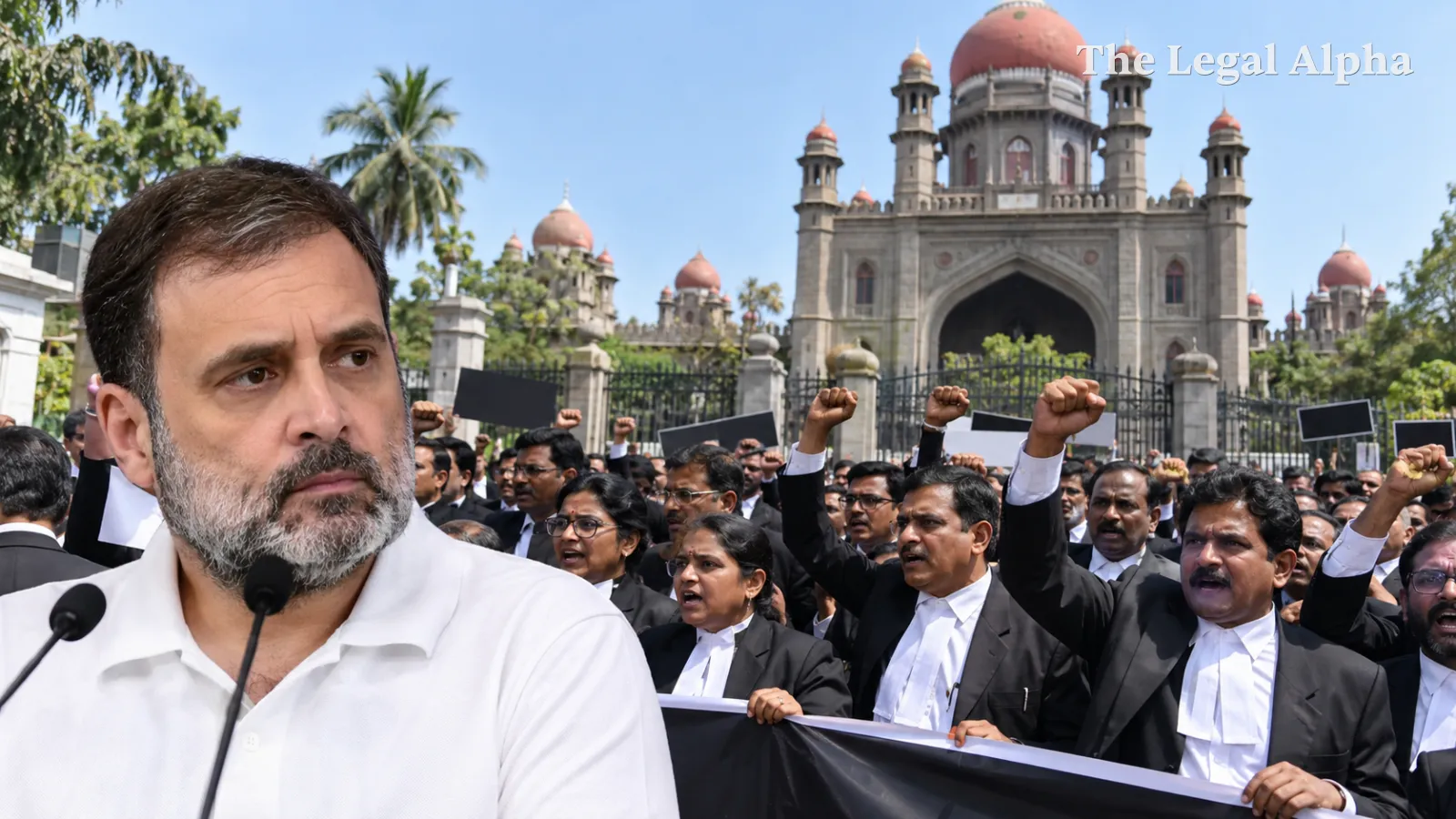
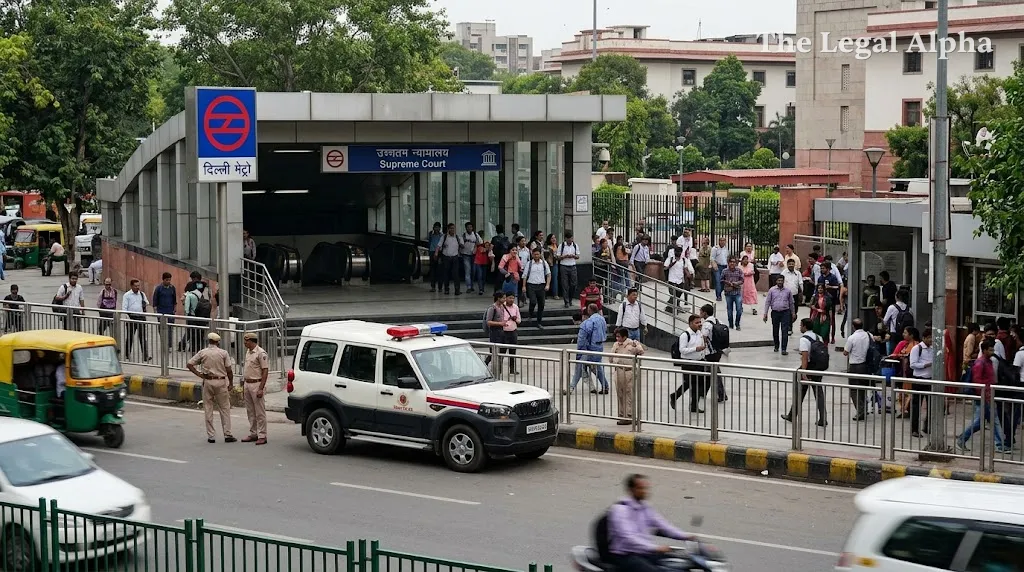
Advocates practicing at the Telangana High Court staged a demonstration condemning statements and actions attributed to the Leader of the Opposition in the Lok Sabha, Rahul Gandhi. The agitation arose in the aftermath of a political march led by INDIA bloc leaders along New Delhi's Barakhamba Road toward the Supreme Court premises. The march accompanied the filing of a joint opposition petition challenging administrative actions and voter list revisions undertaken by the Election Commission of India.
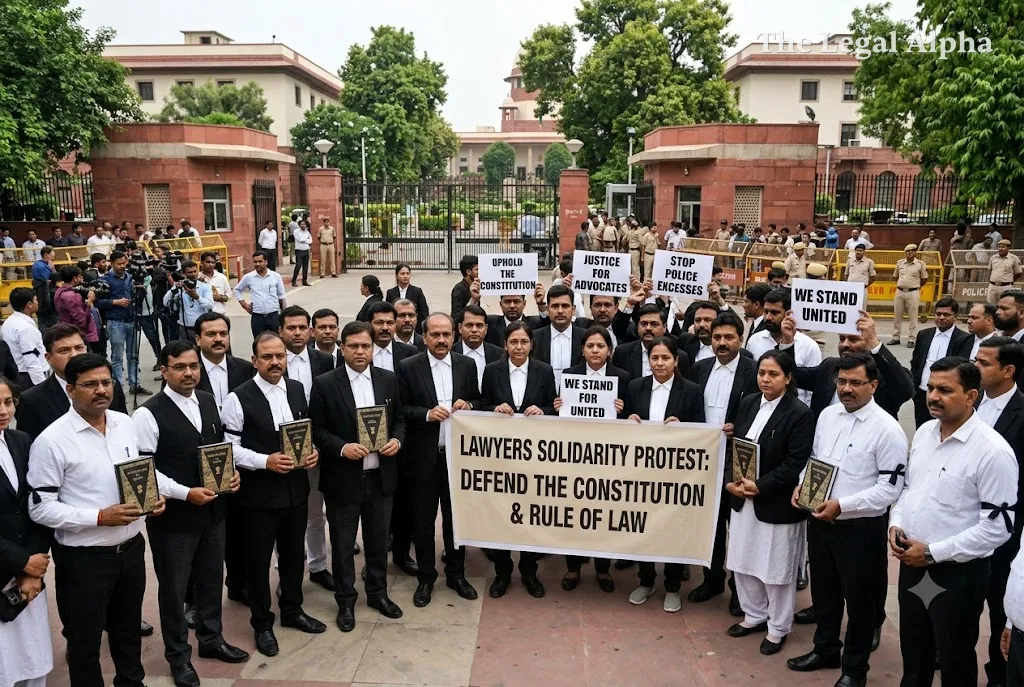
Participating lawyers in Hyderabad, joined by political figures including Telangana BJP leaders, alleged that statements made during the demonstration and the tactic of leading political rallies directly to the steps of the country's apex judicial forum diminish public confidence in judicial independence. The protesting advocates demanded an unconditional apology from Gandhi, asserting that judicial procedures should not be politicized or used as theater for partisan agitations.
Legal Topic
Area of Law: Constitutional Law / Legal Ethics
Sub-topic: Judicial Independence, Political Speech, and Decorum of Court Premises
Core Legal Issue
The controversy centres on the legal and constitutional boundary between the fundamental right to peaceful protest under Article 19(1)(b) of the Constitution and the imperative to protect judicial proceedings from public pressure, political coercion, and scandalous imputation.
Specifically, the issue involves whether organizing mass political rallies directly to the threshold of an active court—alongside public criticism of ongoing filings and judicial administration—transgresses acceptable democratic dissent and edges into conduct tending to prejudice the due course of judicial administration or scandalize the authority of the court.
What Did the Court / Authority Decide?
The demonstration by advocates in Hyderabad represents a professional bar protest rather than an adjudication. No formal disciplinary ruling or judicial verdict was issued by the Telangana High Court regarding the demonstration.
However, the collateral events surrounding the march on the Supreme Court in New Delhi have triggered legal filings before the apex court. Matters have been placed before the Supreme Court addressing procedural disruptions and incidents occurring near court premises during the protest, while the main writ petition concerning Election Commission revisions remains subject to defect curing and judicial listing.
Key Legal Points
-
Protection of Judicial Decorum: Courts have routinely held that demonstrations, rallies, and sloganeering within or directly adjacent to court precincts threaten the administration of justice and violate institutional decorum.
-
Scope of Legitimate Dissent: While political parties retain the right to approach constitutional courts under Article 32 to enforce fundamental rights, turning the physical filing of a petition into a public mobilization tests the line between legal redress and political posturing.
-
Potential for Scandalizing the Court: Attributing motives to the judiciary or attempting to pressure the bench through external mass agitation can attract scrutiny under the law of contempt, specifically under Section 2(c) of the Contempt of Courts Act, 1971.
-
Bar's Role as Officers of the Court: Legal practitioners are statutorily recognized officers of the court who hold a distinct professional duty under the Advocates Act, 1961, to preserve institutional integrity against political denigration.
Relevant Law
-
The Constitution of India:
-
Article 19(1)(a) and 19(1)(b) (Freedom of speech, expression, and peaceful assembly).
-
Article 32 (Remedies for enforcement of fundamental rights).
-
Article 129 and Article 215 (Powers of the Supreme Court and High Courts as Courts of Record to punish for contempt).
-
-
Contempt of Courts Act, 1971: Section 2(c) (Definition of criminal contempt, covering acts that scandalize or lower the authority of any court).
-
Advocates Act, 1961 & Bar Council of India Rules: Standards of professional conduct outlining an advocate's duty to maintain a respectful attitude toward the judiciary.
Arguments of the Parties
Protesting Advocates
The protesting lawyers argued that staging mass protest marches toward the Supreme Court gates degrades the solemnity of constitutional adjudication and undermines public trust in the legal system. They contended that submitting defective or political filings under the pressure of street demonstrations amounts to political intimidation and demanded that public figures show restraint and apologize for disparaging remarks made about judicial processes.
Political Protesters / Petitioners
Opposition leaders maintained that their march and filings were exercises of their democratic and constitutional rights to challenge administrative irregularities in the electoral roll. They argued that seeking relief before the Supreme Court under Article 32 represents faith in judicial remedy rather than disrespect, and that peaceful assembly to highlight constitutional concerns does not impede the court's function.
Why Does It Matter?
This development highlights rising tensions at the intersection of mass political mobilization and constitutional litigation. When political parties blend legal petitions with street demonstrations outside court premises, it creates a risk of perceptions that judicial forums are being pressured into adjudicating matters on political timelines rather than strictly on legal merit.
For the legal system, this underscores the vulnerability of court precincts to partisan conflict. It brings into sharp focus the duty of both lawyers and political actors to keep courtrooms protected spaces reserved for neutral, reasoned adjudication, free from demonstrations, administrative disruption, and external optics.
Legal Takeaway
Approaching constitutional courts to challenge administrative actions is an established legal right, but pairing filings with street agitation toward judicial premises threatens court decorum. Public figures and litigants must maintain the boundary between democratic protest and the solemnity of judicial administration, ensuring that the process of seeking legal remedy does not undermine public faith in the institution itself.
Sources
Primary Source: Official statements and resolutions from the Telangana High Court Bar agitation, Hyderabad.
Additional Sources: Proceedings and filings in Shailendra Mani Tripathi v. Union of India & Ors. (Supreme Court of India, October 2026); Press Trust of India / ANI reporting on Telangana High Court advocate protests (October 13, 2026).