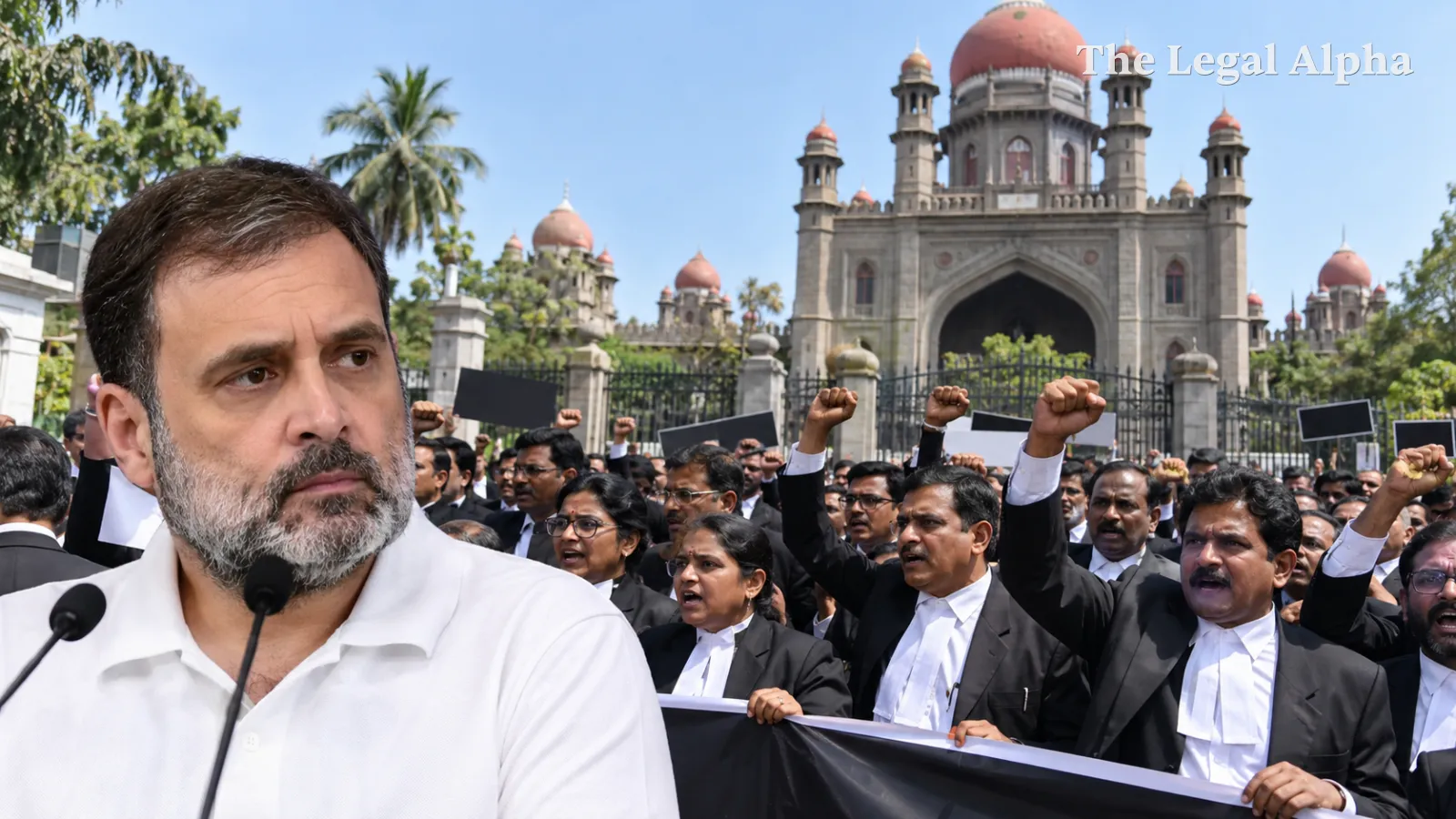
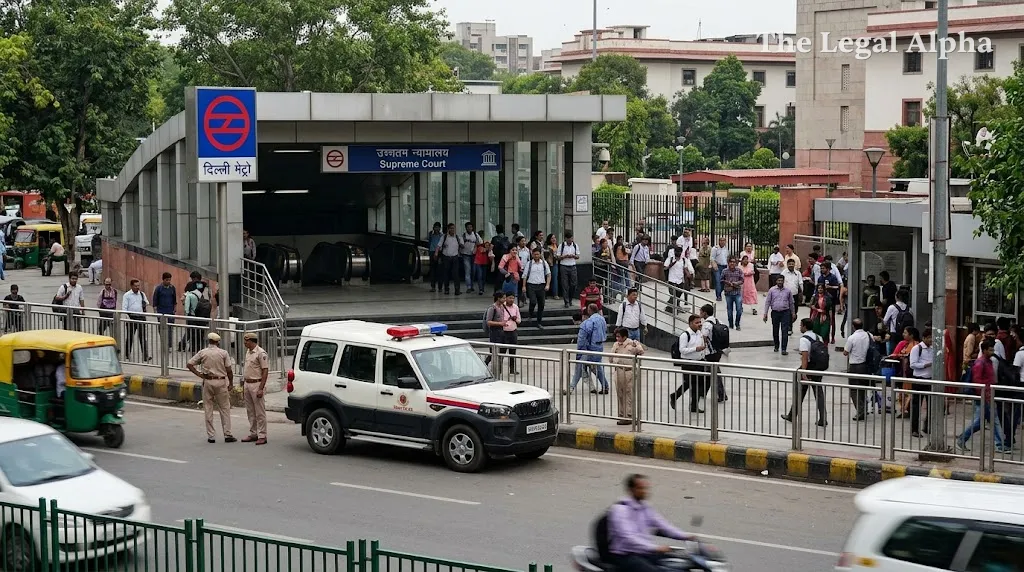
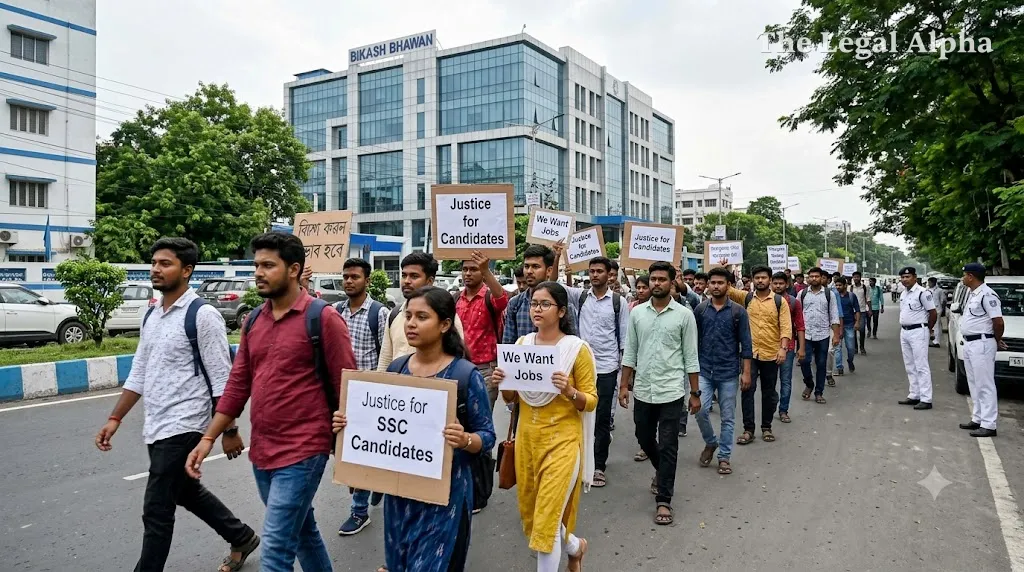
Misinformation Under the Scanner: Delhi Police Cyber Cell Lodges Multiple FIRs Over Fabricated Protest Claims
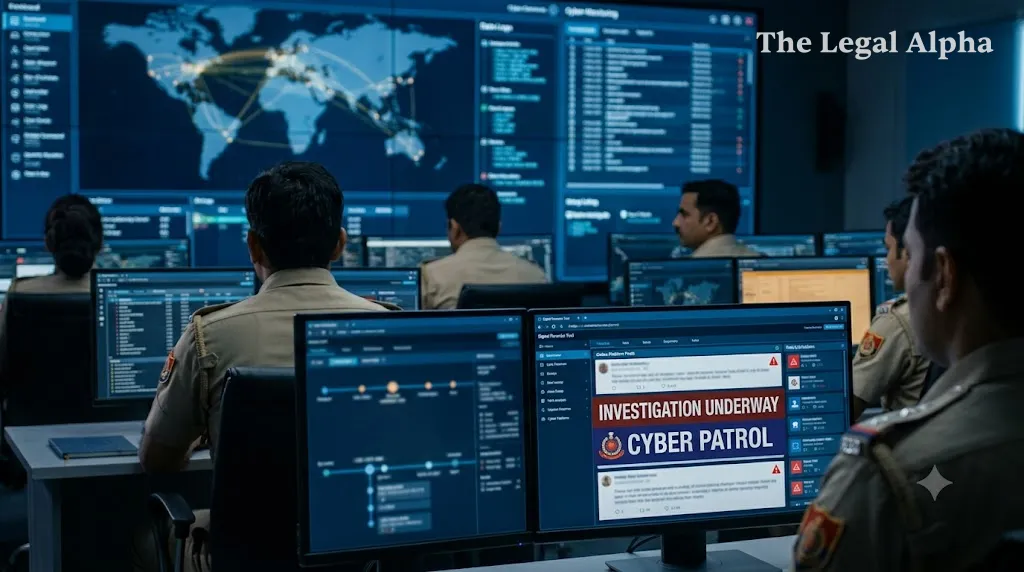
The Intelligence Fusion and Strategic Operations (IFSO) unit of the Delhi Police registered more than four First Information Reports (FIRs) against numerous social media handles accused of propagating false narratives, unverified casualty claims, and provocative content during recent demonstrations in the national capital.
According to law enforcement authorities, digital monitoring revealed that over 500 misleading posts had been published across platforms, including coordinated disinformation alleging fatalities during street rallies surrounding the Election Commission's Special Intensive Revision (SIR) of electoral rolls. Investigators noted that several flagged accounts operated from cross-border jurisdictions, specifically Pakistan, masquerading as domestic handles to inflame public sentiment. In tandem with cyber registrations, local police stations also booked separate cases regarding alleged breaches of prohibitory assembly orders under Section 163 of the Bharatiya Nagarik Suraksha Sanhita (BNSS).
Legal Topic
Area of Law: Criminal Law / Cyber Law
Sub-topic: Online Misinformation, Public Order Offences & Digital Intermediary Compliance
Core Legal Issue
The primary legal issue centres on the threshold between constitutionally protected online political speech and penal cyber-misinformation that endangers public tranquility or national security.
Specifically, the investigating agencies are examining whether the deliberate manufacture and dissemination of fabricated news—such as false claims of custodial or protest deaths—crosses into criminal incitement, dissemination of false information prejudicial to communal harmony, and cross-border digital subversion requiring statutory takedowns under intermediary guidelines.
What Did the Court / Authority Decide?
The Delhi Police’s IFSO unit initiated formal criminal investigations by lodging at least four separate FIRs targeting designated accounts and unidentified administrators.
-
Platform Interventions: Law enforcement triggered intermediary takedown requests, leading to the removal of roughly 500 posts and the deactivation of several suspected overseas handles.
-
Concurrent Proceedings: Parallel FIRs were registered at Connaught Place, Tilak Marg, Barakhamba, and Mandir Marg police stations for alleged non-compliance with Section 163 BNSS restrictions during the demonstrations.
-
Next Steps: Digital forensics teams are actively tracking IP logs, proxy networks, and user metadata to identify domestic conspirators, while the Supreme Court concurrently processes procedural aspects of an opposition writ petition challenging the underlying electoral roll revision. No judicial rulings or arrests on the IFSO FIRs have taken place yet, as the investigation remains in preliminary evidentiary stages.
Key Legal Points
-
Digital Incitement vs Free Speech: Law enforcement authorities are relying on statutory mechanisms that penalise false statements circulated with the intention to cause public panic or provoke riotous conduct.
-
Extra-Territorial Jurisdiction: The involvement of foreign-origin handles triggers cyber investigation protocols under Indian criminal procedure, requiring cooperation through mutual legal assistance channels and intermediary compliance.
-
Prohibitory Order Enforcement: The registration of FIRs under Section 163 of the BNSS demonstrates strict enforcement of codified assembly restrictions during political mobilization in sensitive administrative zones.
-
Expedited Takedown Mechanisms: The swift removal of over 500 links underscores the expanding administrative reliance on Information Technology rules to purge provocative content before judicial adjudication.
Relevant Law
-
Bharatiya Nyaya Sanhita, 2023 (BNS): Provisions relating to public mischief, spreading false information prejudicial to national integration, and promoting enmity between groups.
-
Bharatiya Nagarik Suraksha Sanhita, 2023 (BNSS): Section 163 (power to issue orders in urgent cases of nuisance or apprehended danger, formerly Section 144 CrPC).
-
Information Technology Act, 2000: Section 69A (powers to issue directions for blocking public access of information in the interest of public order and national sovereignty).
-
Information Technology (Intermediary Guidelines and Digital Media Ethics Code) Rules, 2021: Due diligence mandates requiring digital platforms to remove unlawful content upon receiving official notice.
Arguments of the Parties
Investigating Agencies / State Position The Delhi Police contend that the targeted handles actively disseminated fabricated casualty reports and manipulated multimedia to vitiate the law-and-order atmosphere in the capital. Investigators submit that hostile actors leveraged automated amplification and proxy networks to engineer civil panic, necessitating urgent criminal deterrence and preemptive content removal.
Digital Users / Protesting Groups While individual account operators have yet to present formal legal defences in court, civil liberties advocates and opposition organizers maintain that assembly and robust critique of statutory bodies are safeguarded democratic rights. They contend that routine regulatory orders and overbroad cyber FIRs risk criminalizing democratic dissent and chilling digital free expression.
Why Does It Matter?
This crackdown underscores the increasing intersection of cyber policing and physical public demonstrations. For law enforcement, rapid online takedowns and penal actions are viewed as critical frontline measures to preempt real-world street violence stoked by algorithmic disinformation.
However, the reliance on broad digital surveillance and immediate content purging presents procedural implications for constitutional free speech. As investigative agencies invoke updated statutory frameworks like the BNS and BNSS, these cases will set crucial precedents regarding how digital attribution is handled when malicious posts originate from extraterritorial networks masking behind domestic IP nodes.
Legal Takeaway
Disseminating fabricated news during civil protests is increasingly treated by investigative agencies as an actionable criminal offence against public order rather than harmless online commentary. Both digital users and platform intermediaries face heightened scrutiny and swift enforcement under updated procedural and cyber safety regulations.
Sources
Primary Source:
-
Delhi Police IFSO Press Statements and First Information Reports registered at Connaught Place, Tilak Marg, Barakhamba, and Mandir Marg police stations.
Additional Sources:
-
Asian News International (ANI) reporting on IFSO cyber enforcement (October 13, 2026).
-
The Daily Pioneer & Times of India reports on social media misinformation investigations (October 13, 2026).