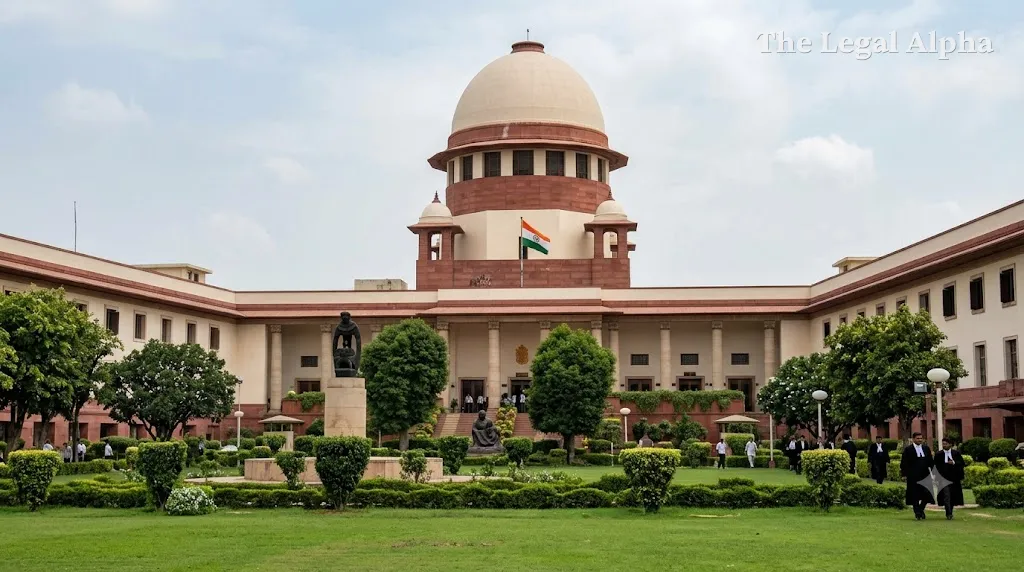
Supreme Court Weighs Pollution Crisis as Bench Notes Disparity Between Remote Bar and In-Person Bench
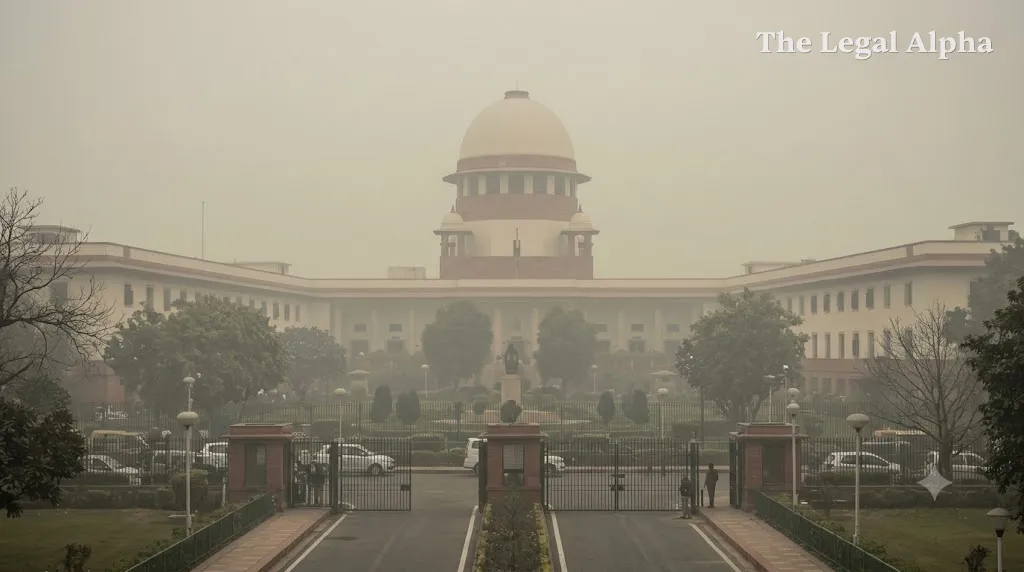
During proceedings concerning rising pollution levels across the National Capital Region, the Supreme Court of India engaged in a candid exchange over the institutional realities of court hearings amid deteriorating air quality.
While considering the listing schedule for environmental petitions ahead of the festival season, Senior Advocate Indira Jaising suggested listing the matter post-Diwali, on November 17. Opposing counsel urged an earlier hearing, warning that atmospheric conditions traditionally peak in severity around the festive period. Addressing the debate, Justice Vikram Nath observed that while advocates enjoy the flexibility of remote appearances and working from home, judges remain required to preside in person regardless of environmental hazards.
Legal Topic
-
Area of Law: Environmental Law / Judicial Administration
-
Sub-topic: Air Pollution Mitigation / Hybrid Court Procedures & Judicial Working Conditions
Core Legal Issue
The discussion touches on the broader institutional tension between public health emergencies and court administration: specifically, how the judiciary manages urgent environmental public interest litigation while navigating the disparate operational protections afforded to private practitioners versus the presiding bench.
At a procedural level, the court addressed whether environmental hearings addressing seasonal pollution spikes should be expedited before peak hazardous conditions or scheduled for comprehensive review after festival-related activity concludes.
What Did the Court Decide?
Justice Vikram Nath emphasized the practical realities of the bench, noting that seasonal pollution inevitably worsens post-festivals, and that remote work mechanisms primarily cushion the bar rather than the bench.
The court did not issue an immediate formal stay or final administrative order during the exchange. Instead, the bench took note of the listing requests and seasonal pollution data while highlighting the personal health exposure judges bear to keep physical courtrooms functional during capital pollution crises.
Key Legal Points
-
Institutional Asymmetry in Hybrid Functioning: Virtual hearing infrastructure grants counsel the discretion to work remotely during hazardous air spikes, whereas constitutional judges must maintain physical bench presence to conduct hybrid court proceedings.
-
Urgency of Pre-Festival Environmental Intervention: Counsel argued that regulatory intervention must precede festival periods to mitigate predictable surges in Particulate Matter (PM2.5PM_{2.5}PM2.5 and PM10PM_{10}PM10), rather than reviewing damages retrospectively.
-
Judicial Notice of Air Quality Data: The court actively tracks regional Air Quality Index (AQI) trends and statutory monitoring assessments to determine urgency in air pollution litigation.
Relevant Law
-
Constitution of India, Article 21: The fundamental right to clean air, a healthy environment, and life.
-
Constitution of India, Article 145: Powers of the Supreme Court to regulate its own procedure, sittings, and court conduct.
-
Air (Prevention and Control of Pollution) Act, 1981: Statutory framework governing ambient air monitoring and emission control enforcement.
-
Graded Response Action Plan (GRAP) Guidelines: Enforced via the Commission for Air Quality Management (CAQM) in NCR and Adjoining Areas.
Arguments of the Parties
Moving Counsel / Senior Advocate Indira Jaising
Appearing in the pollution matter, Senior Advocate Indira Jaising proposed listing the substantive hearings on November 17, following the festival holidays, and indicated her readiness to argue in person despite the prevailing smog in the capital.
Opposing Counsel
The opposing side urged the bench to list the case earlier, contending that delay defeats the protective objective since air toxicity and particulate concentration historically spike dramatically before and during Diwali.
Why Does It Matter?
Every winter, the National Capital Region enters severe atmospheric distress, triggering emergency measures under GRAP such as school closures, vehicular restrictions, and industrial curbs. The Supreme Court's internal operational reality reflects a wider workplace issue: hybrid and remote working protocols primarily safeguard private sector workers and independent professionals, leaving institutional duty-bearers—including judicial officers and court staff—exposed to hazardous conditions.
Moreover, judicial remarks regarding remote appearance versus physical attendance underscore that while video conferencing has modernized Indian judicial infrastructure, the institutional burden of keeping open courts functional during environmental emergencies remains substantial.
Legal Takeaway
While hybrid court facilities allow advocates to safeguard their health through remote appearances during severe pollution spikes, institutional administration still demands the physical presence of judges. When litigating time-sensitive environmental matters, legal teams must balance procedural convenience against the pressing necessity of obtaining preemptive orders before seasonal crises peak.
Sources
Primary Source:
-
Supreme Court of India, Bench Proceedings before Justice Vikram Nath (Oral Observations in Air Pollution Listing Mention, October 2026).
Additional Sources:
-
Central Pollution Control Board (CPCB), Ambient Air Quality Index Data & Daily Bulletins.
-
Air Quality Early Warning System for Delhi / India Meteorological Department (IMD) Technical Reports.