Supreme Court Declines Urgent Hearing on Surge Pricing and 700% Airfare Spike
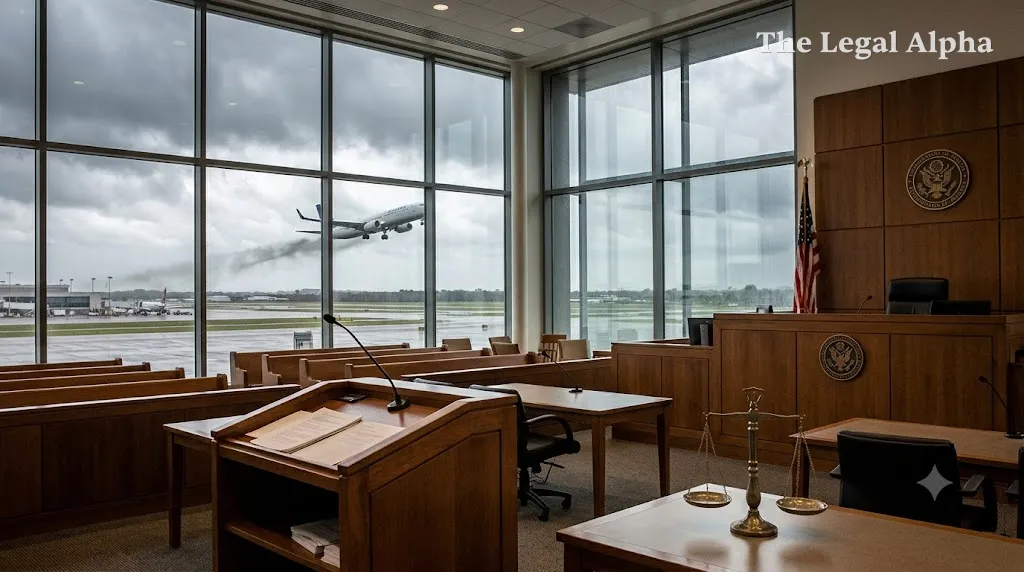
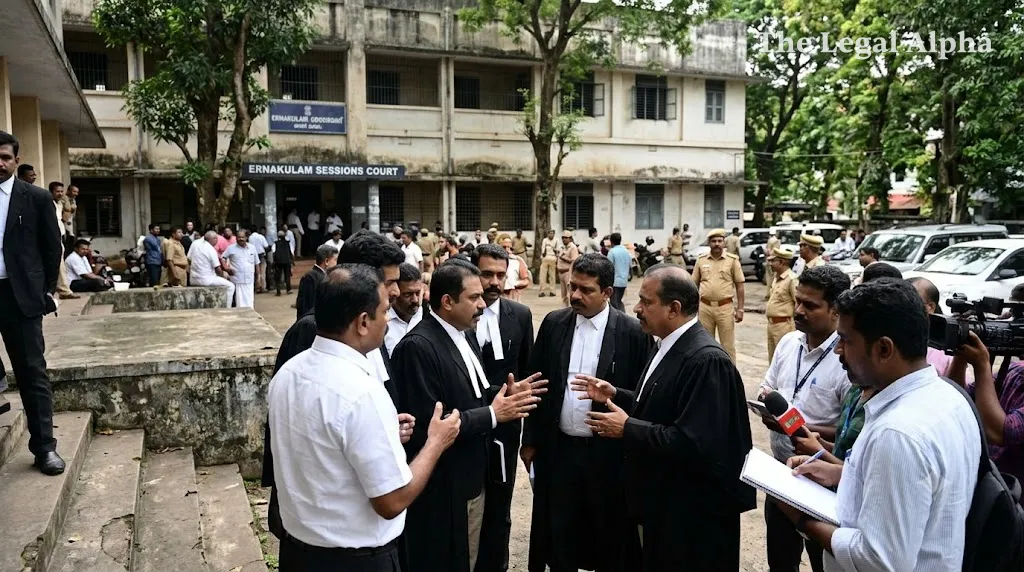
The Supreme Court of India refused to entertain an urgent mentioning regarding exorbitant surges in domestic airfares. An advocate sought immediate listing before a bench presided over by Justice Vikram Nath, highlighting that domestic airline ticket prices had surged by as much as 700 percent during the peak festive travel rush. Unconvinced that dynamic commercial pricing justified exceptional emergency intervention under writ jurisdiction, the bench dismissed the request summarily with the remark, "Alright, don't travel by air. Next case," and proceeded to the subsequent matter on the board.
Legal Topic
Area of Law: Aviation Law / Administrative and Constitutional Law
Sub-topic: Dynamic Pricing, Consumer Protection, and Public Interest Litigation
Core Legal Issue
The legal controversy centers on whether seasonal dynamic pricing and extreme airline fare increases constitute an actionable regulatory failure that courts can address through extraordinary writ jurisdiction under Article 32 of the Constitution.
The underlying question is whether ticket pricing in a deregulated, commercially competitive aviation market is primarily a policy and executive domain under civil aviation authorities, rather than an issue suited for immediate judicial price-capping or judicial review.
What Did the Court Decide?
The Supreme Court declined to take up the matter for urgent listing, effectively passing over the mentioning without issuing notice or passing directions.
The court indicated its reluctance to intercede in commercial pricing structures through urgent judicial intervention. By instructing the registry to call the next case, the bench left domestic ticket regulation within the purview of executive authorities and the Directorate General of Civil Aviation (DGCA).
Key Legal Points
-
Limits of Writ Jurisdiction over Commercial Pricing: Constitutional courts typically avoid interfering with commercial tariff determinations and market-driven supply-and-demand mechanics absent clear evidence of illegality or violation of fundamental rights.
-
Separation of Regulatory and Judicial Powers: Aviation pricing, fare caps, and tariff bands fall under executive policy governed by statutory civil aviation authorities rather than judicial directives.
-
Threshold for Urgent Listing: Routine market fluctuations, even when causing acute consumer discomfort during festive seasons, do not readily satisfy the stringent criteria required for emergency mentioning before the apex court.
Relevant Law
-
The Constitution of India, Article 32: Governs the right to move the Supreme Court by appropriate proceedings for the enforcement of fundamental rights.
-
The Aircraft Rules, 1937 (Rule 135): Mandates that every air transport operator establish a reasonable tariff having regard to all relevant factors, including the cost of operation, reasonable profit, and generally prevailing market conditions.
-
The Consumer Protection Act, 2019: Addresses unfair trade practices, exploitative commercial terms, and consumer rights.
Arguments of the Parties
Petitioner / Applicant
Counsel appearing for the petitioner argued that private domestic carriers were engaging in unchecked surge pricing during peak festival periods, inflating fares by up to 700 percent. It was submitted that such extreme escalations exploit holiday travelers and require regulatory ceilings or immediate judicial intervention to protect consumers.
The Bench's Stance
The bench took a pragmatic, non-interventionist stance on commercial choices, observing that consumers retain the option not to utilize discretionary air services if fares are commercially unviable. The court declined to treat market-driven fare increases as a matter calling for extraordinary judicial remedy.
Why Does It Matter?
The exchange reinforces a consistent judicial precedent: the Supreme Court will not act as a price regulator or micro-manage commercial sectors operating under a deregulated tariff framework.
While seasonal airfare surges draw substantial public criticism and periodic parliamentary scrutiny, the apex court's refusal to step in underscores that consumer remedies lie either with sectoral regulators such as the Ministry of Civil Aviation and the DGCA or through statutory consumer dispute forums. Airlines retain pricing discretion under prevailing civil aviation rules unless the executive chooses to reintroduce statutory tariff caps.
Legal Takeaway
Constitutional courts will not invoke extraordinary writ jurisdiction to control commercial pricing or seasonal airline fare spikes. Tariff regulation and dynamic pricing issues remain executive policy matters governed strictly by the Directorate General of Civil Aviation and the Ministry of Civil Aviation.
Sources
Primary Source: Supreme Court Mentioning Proceedings before the Bench of Justice Vikram Nath (November 2, 2026).
Additional Sources: Directorate General of Civil Aviation (DGCA) Tariff Framework under Rule 135 of the Aircraft Rules, 1937; Legal reportage on Supreme Court proceedings.