Cheranalloor Luxury Car Crash: Ernakulam Court Moves Bail Cancellation Hearing In-Camera to Protect Minor's Identity
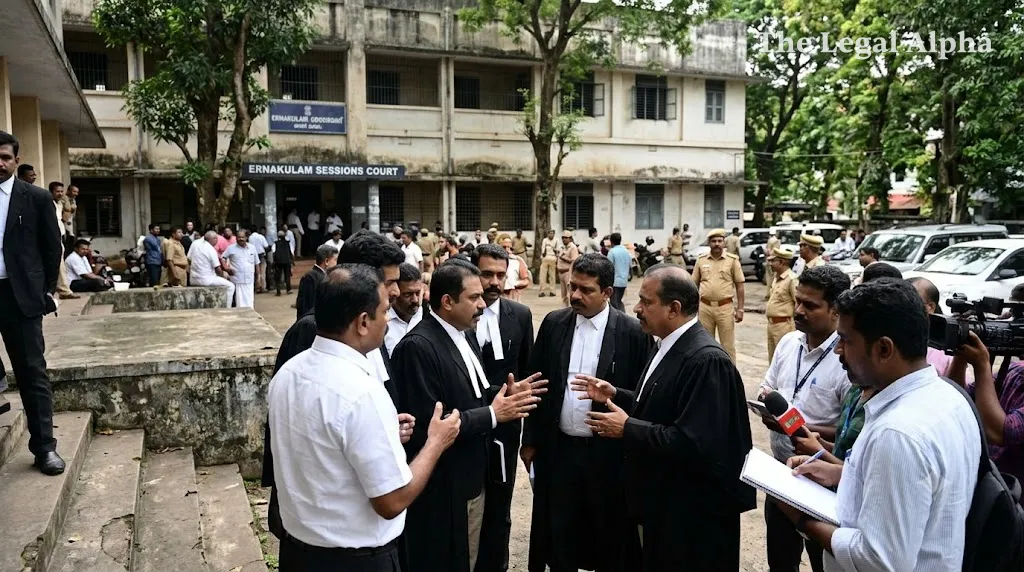
An Ernakulam sessions court ordered in-camera proceedings while hearing appeals seeking to cancel the bail granted to a 17-year-old involved in a fatal luxury car crash in Cheranalloor.
The teenager, driving a Mercedes-Benz, was involved in a collision that resulted in the death of a 56-year-old two-wheeler rider, Jayabalakrishnan. After the Juvenile Justice Board initially granted bail to the minor citing a lack of prior criminal antecedents, both the State prosecution and the victim’s family filed appeals seeking revocation of that relief. During Monday’s proceedings before the Special Court trying offenses against women and children, sharp disputes and trading of allegations erupted between the prosecution and counsel representing the victim’s family. Citing the sensitivity of allegations and statutory protections governing a child in conflict with law, the court ruled that all further arguments would take place behind closed doors.
Legal Topic
-
Area of Law: Juvenile Justice and Criminal Procedure
-
Sub-topic: Bail Cancellation / In-Camera Proceedings / Child in Conflict with Law
Core Legal Issue
The primary legal issue is whether an appeal challenging the bail granted to a minor accused of a fatal motor collision can be heard in open court when procedural confidentiality rules under the Juvenile Justice framework are at stake.
The court had to balance the principle of open justice against the statutory mandate to protect the identity, dignity, and fair trial rights of a child in conflict with law, particularly amid heightened media exposure and allegations of procedural irregularities.
What Did the Court Decide?
Judge Kavitha Gangadharan of the Additional District and Sessions Court (for cases involving atrocities against women and children), Ernakulam, directed that all further proceedings concerning the bail appeals be conducted in-camera.
The court scheduled the confidential hearing for the afternoon session, overriding objections raised by the victim's family counsel. The order was issued specifically to safeguard the statutory confidentiality required in matters involving a child in conflict with the law. The court made no final determination on the cancellation of bail itself, leaving that substantive question for consideration during the closed-door arguments.
Key Legal Points
-
Statutory Privacy of Minors: The Juvenile Justice framework mandates that the identity and proceedings concerning a child in conflict with law remain protected from open-court exposure and media trials.
-
Judicial Discretion for Closed Proceedings: Courts possess inherent and statutory authority under procedural codes to restrict public and media access when proceedings risk prejudicing the administration of justice.
-
Separation of Bail Validity from Procedural Safeguards: Directing in-camera hearings does not indicate the court’s stance on the merits of bail cancellation; it merely regulates how arguments and sensitive allegations are presented.
Relevant Law
-
Juvenile Justice (Care and Protection of Children) Act, 2015:
-
Section 12: Provisions governing bail to a person who is apparently a child alleged to be in conflict with law.
-
Section 74: Prohibition on disclosure of identity of children involved in proceedings under the Act.
-
Section 101: Appeals against orders passed by the Juvenile Justice Board.
-
-
Code of Criminal Procedure, 1973 (CrPC) / Bharatiya Nagarik Suraksha Sanhita, 2023 (BNSS):
-
Provisions empowering the presiding judge to conduct inquiries or trials in camera when deemed necessary in the interest of justice.
-
Arguments of the Parties
-
Prosecution: The State pressed for the cancellation of bail granted by the Board, arguing that the severity of the incident and allegations surrounding the handling of the probe warranted closer scrutiny and detention under the relevant statutory parameters.
-
Victim’s Family: Counsel for the victim’s family opposed the bail order, arguing against the leniency granted to the juvenile driver. However, procedural friction and disputes emerged regarding internal family authorizations and the approach to the appeal, prompting objections to holding the proceedings away from public scrutiny.
-
Defense (Child in Conflict with Law): The defense maintained that statutory juvenile protections apply strictly, that bail was granted in accordance with Section 12 guidelines where no disqualifying conditions existed, and that the minor's statutory privacy must not be compromised.
Why Does It Matter?
This development highlights the continuous tension between public scrutiny in high-profile road crash cases and the non-negotiable statutory safeguards granted to juveniles. Even when a motor vehicle collision results in a fatality and triggers widespread public interest, juvenile justice protections do not recede. By enforcing an in-camera hearing, the court underscored that judicial scrutiny of bail orders must remain insulated from courtroom acrimony, sensationalism, and potential identification breaches.
Legal Takeaway
In proceedings involving a child in conflict with law, courts will prioritize statutory confidentiality and procedural safeguards over open-court arguments whenever public hearings threaten the minor's protected identity or orderly administration of justice.
Sources
-
Primary Source: Order of the Additional District and Sessions Court (Court for Atrocities Against Women and Children), Ernakulam, dated November 2, 2026 (Presiding Judge Kavitha Gangadharan).
-
Additional Sources: Case reports and proceedings verified via The Hindu and LiveLaw.