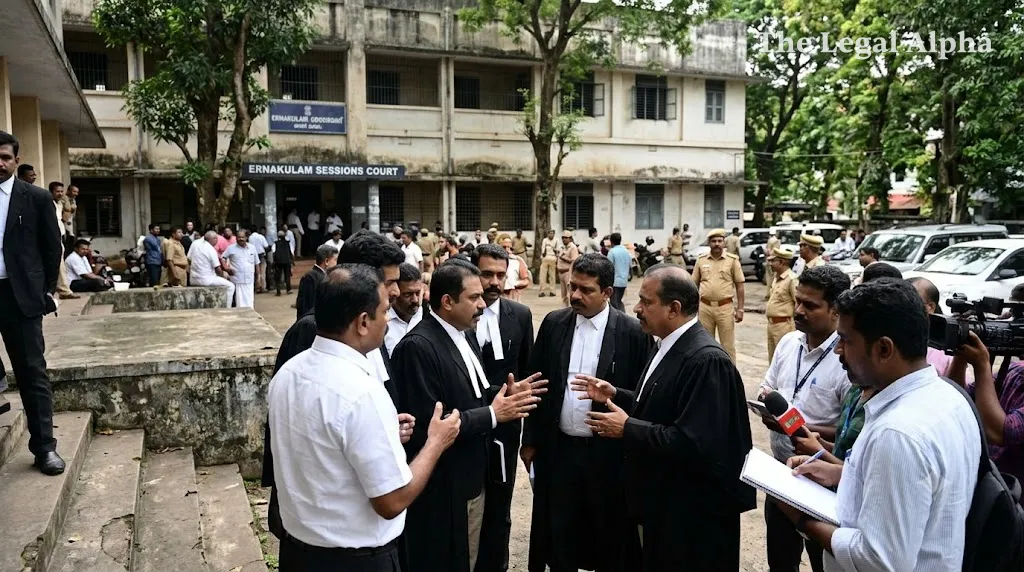
Supreme Court Declines to Stay Sukesh Chandrashekhar's Conviction Over Prejudicial Remarks Plea
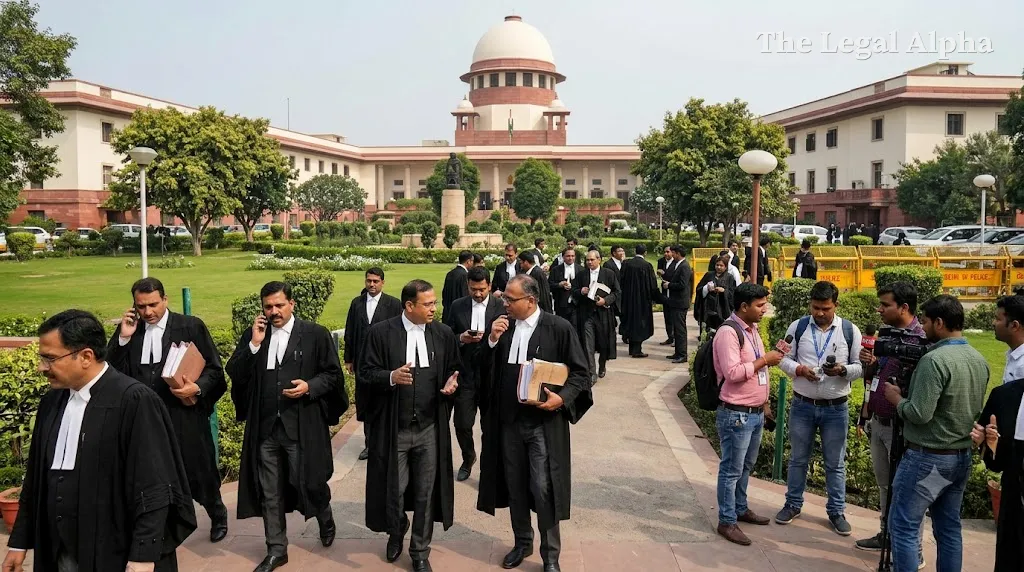
The Supreme Court dismissed a petition filed by Sukesh Chandrashekhar challenging an interim decision of the Delhi High Court that declined to stay his criminal conviction.
Chandrashekhar approached the apex court seeking an exceptional stay on his conviction, contending that unverified characterizations in the trial court's judgment—branding him a "seasoned habitual offender" and "conman"—threaten to prejudice the fairness of approximately 31 other criminal trials currently pending against him across various jurisdictions. The Supreme Court refused to interfere with the High Court's refusal, leaving the underlying conviction intact pending appeal.
Legal Topic
-
Area of Law: Criminal Law and Procedure
-
Sub-topic: Stay of Conviction / Appellate Powers / Section 389 of the Code of Criminal Procedure (CrPC)
Core Legal Issue
The matter examined whether a trial court’s adverse remarks regarding an accused person's overall conduct and alleged criminal record justify an interim stay of conviction under appellate proceedings.
Specifically, the core question was whether the apprehension of collateral prejudice in other pending, independent trials meets the rigorous legal threshold of an "exceptional circumstance" required to suspend a conviction, rather than simply challenging or expunging specific remarks in an appeal.
What Did the Court Decide?
The Supreme Court declined to grant interim relief and dismissed Chandrashekhar’s challenge against the Delhi High Court's order.
By refusing to intervene, the Court upheld the position that an order of conviction will not be suspended lightly during the pendency of an appeal. While Chandrashekhar's substantive appeal against the judgment remains pending adjudication on its merits before the High Court, the findings of guilt and the operative conviction remain fully operational.
Key Legal Points
-
High Threshold for Stay of Conviction: A stay of conviction under Section 389(1) of the Code of Criminal Procedure is an extraordinary remedy invoked rarely and only under demonstrable, irreversible circumstances, distinct from a routine suspension of sentence.
-
Separation of Collateral Trials: Apprehensions regarding remarks affecting other pending proceedings do not automatically nullify or freeze a conviction, as separate criminal trials must be determined solely on evidence adduced within their respective proceedings.
-
Character Evidence Guardrails: Indian evidence law establishes that prior bad character is generally irrelevant during a criminal trial unless evidence of good character has been introduced, meaning trial judges in collateral cases are bound to ignore non-evidentiary characterizations made in other judgments.
-
Discretion of the Appellate Court: The apex court reaffirmed deference to High Courts in regulating interim appellate discretionary powers unless an order suffers from perversity or patent illegality.
Relevant Law
-
Section 389, Code of Criminal Procedure, 1973 (CrPC): Suspension of sentence pending appeal and release of appellant on bail; governing principles for staying convictions.
-
Sections 170, 189, and 507, Indian Penal Code, 1860 (IPC): Pertaining to personating a public servant, threat of injury to a public servant, and criminal intimidation by anonymous communication.
-
Section 54, Indian Evidence Act, 1872 (and corresponding Bharatiya Sakshya Adhiniyam provisions): The rule governing the general inadmissibility of previous bad character in criminal trials.
-
Judicial Precedent (Ravikant S. Patil v. Sarvabhouma S. Bagali / Rama Narang v. Ramesh Narang): Settled jurisprudence establishing that stay of conviction cannot be granted as a matter of routine and requires rare, exceptional circumstances causing irreversible damage.
Arguments of the Parties
Petitioner
Counsel appearing for Chandrashekhar submitted that the trial court committed a fundamental error by labeling him a "seasoned habitual offender" and a "hardened conman" despite the admitted position that he had no prior convictions. The defence argued that because approximately 31 trials are underway, allowing a judgment containing unsubstantiated observations outside the record to operate would be treated as adverse character evidence, thereby prejudicing his right to a fair trial in those matters.
Opposing View / State Position
The prosecution's stance maintained that the offences involved deliberate impersonation of senior constitutional and judicial figures, striking at the administration of justice. Furthermore, adverse observations formed part of the judicial reasoning, and the standard remedy against perceived prejudice in appellate procedure is arguing the appeal on its merits rather than securing a blanket suspension of guilt.
Why Does It Matter?
This decision underscores the stringent standards Indian courts apply when asked to freeze a criminal conviction. It clarifies that collateral anxiety over pending cases does not furnish a valid ground to suspend an adjudicatory finding of guilt.
For criminal jurisprudence, the outcome reiterates that trial courts dealing with an accused facing multiple prosecutions must decide each case strictly within the four corners of its own evidence, insulating separate trials from external characterizations without needing to stall the legal force of an earlier conviction.
Legal Takeaway
A stay of conviction remains an extraordinary legal remedy reserved exclusively for rare cases where irreversible damage is demonstrably proven. General concerns regarding adverse judicial commentary or potential bias in other pending trials do not meet the legal threshold required to suspend a finding of guilt.
Sources
Primary Source:
-
Supreme Court of India, Order dated November 2, 2026, in the special leave petition challenging the Delhi High Court's refusal to stay conviction.
Additional Sources:
-
Delhi High Court appellate records in Chandrashekhar's appeal against trial court conviction (August 2026).
-
Criminal Judgment of Chief Judicial Magistrate Harshita Mishra, New Delhi (August 20, 2026).