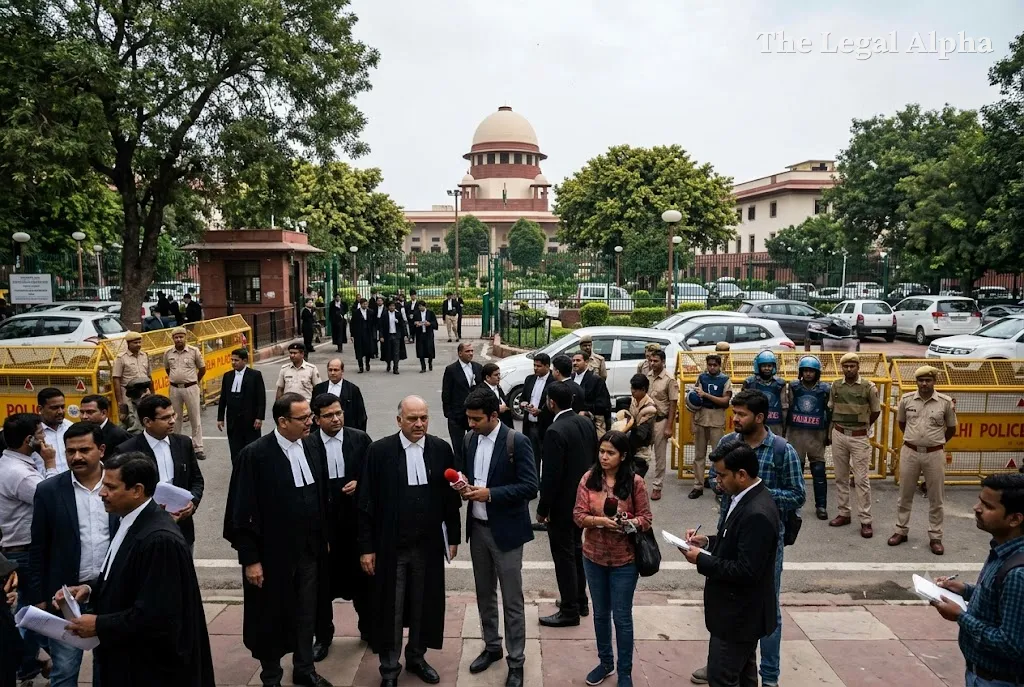
Shift Enforcement Away from Consumers Toward Trafficking Networks, Supreme Court Emphasises
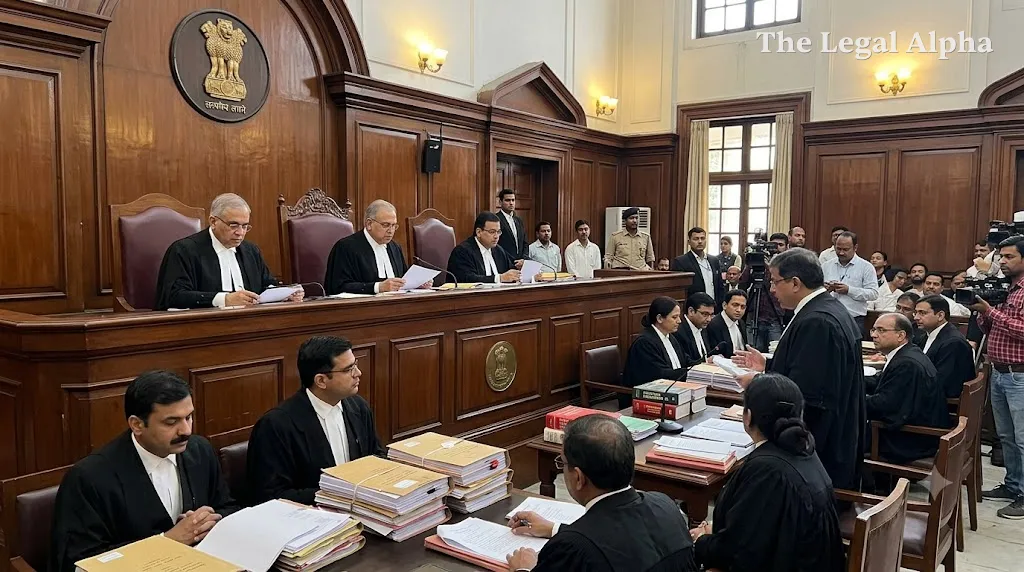
The Supreme Court of India underscored a critical shift in perspective regarding drug enforcement, observing that individuals suffering from substance abuse should be treated primarily as victims rather than criminals. During proceedings examining the implementation of narcotics legislation, the Bench pointed out that state resources and law enforcement mechanisms are far more effectively deployed against organized trafficking networks and supply syndicates rather than end consumers struggling with addiction.
Legal Topic
Area of Law: Criminal Law / Public Health Law
Sub-topic: Narcotics Control, Sentencing Reform, and Rehabilitation
Core Legal Issue
The fundamental legal question centres on whether penal mechanisms under anti-narcotics legislation should prioritise penalising personal consumption or if judicial and administrative enforcement should pivot towards public health, diversion to rehabilitation, and targeting the commercial supply chain.
What Did the Court / Authority Decide?
The Supreme Court remarked that the primary objective of anti-narcotics enforcement must be dismantling the production and trafficking networks that drive the illicit drug trade. The Court stressed that consumers caught in addiction require therapeutic intervention, de-addiction facilities, and reformative care. It called for law enforcement agencies to direct investigative manpower toward tracing upstream distributors, financiers, and interstate suppliers rather than congesting judicial dockets with cases involving small-scale users.
Key Legal Points
-
Consumers and persons with substance dependence are victims of organised crime rings and require reformative, health-centred intervention.
-
Investigating agencies must focus energy and surveillance infrastructure on supply chains, manufacturers, and bulk distribution syndicates.
-
The statutory objective of severe narcotics deterrence is undermined when systemic focus disproportionately penalises vulnerable end users rather than syndicates profiting from illicit trade.
-
Rehabilitation frameworks and diversion options within statutory schemes must be actively operationalised by state authorities.
Relevant Law
-
Narcotic Drugs and Psychotropic Substances (NDPS) Act, 1985:
-
Provisions distinguishing small, intermediate, and commercial quantities.
-
Section 64A (Immunity from prosecution to addicts volunteering for treatment).
-
-
Constitution of India:
-
Article 21 (Right to life and personal dignity).
-
Article 47 (Duty of the State to raise the level of nutrition and standard of living, and improve public health).
-
Arguments of the Parties
Petitioner / Applicant / Appellant
It was submitted that treating dependent users solely through a punitive framework overburdened the criminal justice system without curbing drug availability, arguing that criminalisation isolates victims and deters them from seeking medical assistance.
Respondent / State / Opposing Party
The State maintained that stringent statutory enforcement remains necessary to curtail illicit demand, submitting that prosecution serves as a general deterrent against the proliferation of illegal substances in society.
Why Does It Matter?
This judicial stance reinforces a progressive shift toward harm reduction and public health in India’s criminal jurisprudence. For trial courts and prosecutors, it serves as a clear guide to utilise statutory diversion provisions, such as de-addiction pathways, instead of prolonged custodial remands for minor personal consumption charges. For law enforcement agencies, it places pressure on intelligence-led operations to pursue kingpins, cross-border cartels, and distribution channels rather than inflating arrest quotas with vulnerable individuals.
Legal Takeaway
Criminal enforcement under narcotics law should target the architects and distributors of the drug trade rather than dependent consumers. True deterrence relies on breaking illicit supply chains, while substance users must be routed toward healthcare and rehabilitation rather than incarceration.
Sources
Primary Source:
Supreme Court of India proceedings and orders on enforcement and rehabilitation under the NDPS framework.
Additional Sources:
Legal reporting on narcotics jurisprudence and statutory review under the Narcotic Drugs and Psychotropic Substances Act, 1985.