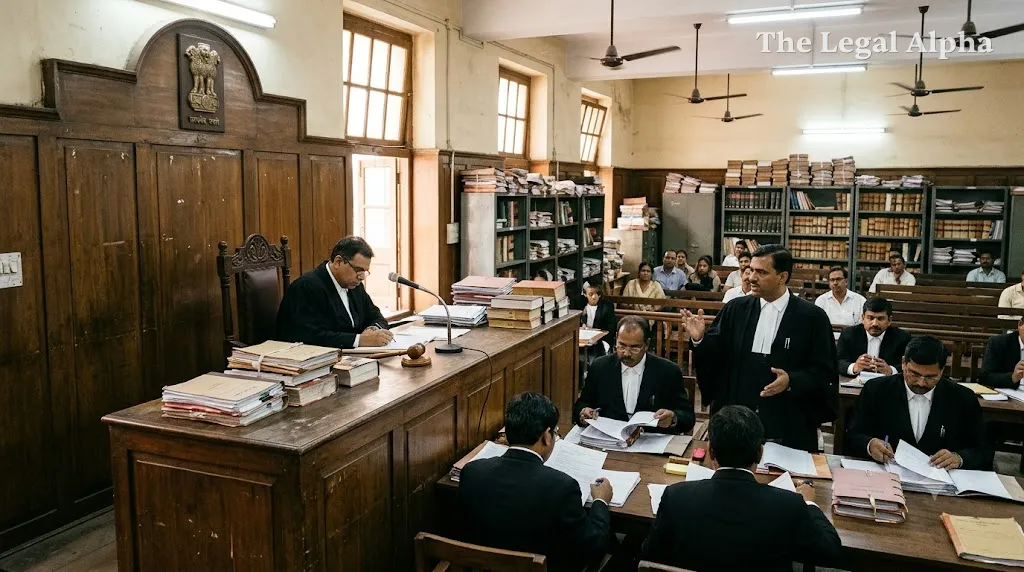
Security Sweeps Follow Coordinated Threat Email Aimed at Bombay High Court and Prominent Mumbai Sites
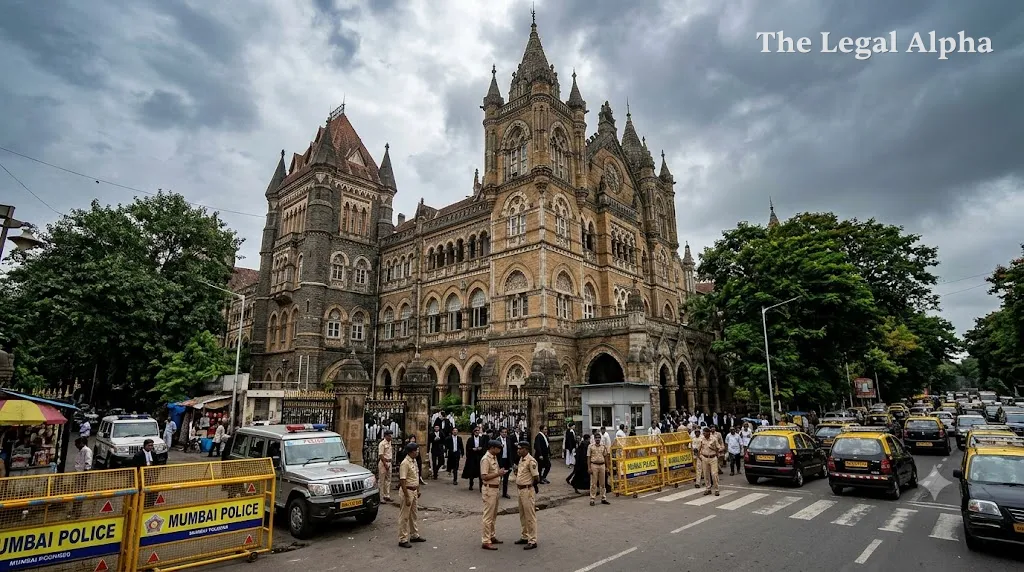
A security alert unfolded across Mumbai after an anonymous email was sent directly to the official registry of the Bombay High Court warning of imminent bomb blasts. The communication explicitly threatened multiple prominent locations in the city, including the High Court premises, the Bombay Stock Exchange (BSE), the Mahalaxmi Racecourse, and actor Amitabh Bachchan’s residence, 'Jalsa'. Following standard emergency protocols, Mumbai Police, anti-sabotage personnel, and bomb disposal squads conducted comprehensive physical sweeps across all flagged establishments. No explosives or hazardous devices were detected, and authorities declared the communication a hoax while initiating a cyber-forensic probe to trace the origin of the message.
Legal Topic
Area of Law: Criminal Law / Cyber Law
Sub-topic: Digital Hoaxes, Public Mischief, and Offences Against Critical Public Infrastructure
Core Legal Issue
The primary legal issue concerns the application of criminal and cyber statutes against anonymous electronic communications intended to cause widespread panic, disrupt constitutional courts, and divert public safety resources.
The question before investigators and the prosecution is whether sending fictitious blast warnings across electronic networks crosses the threshold from criminal intimidation and public mischief to cyber-terrorism or acts endangering state security, particularly when targeting the judiciary and essential financial institutions.
What Did the Court / Authority Decide?
Administrative authorities at the High Court coordinated immediately with executive law enforcement. No formal judicial bench was convened to adjudicate the issue; rather, the response was handled administratively by the Court Registry and Mumbai Police.
Law enforcement carried out the following measures:
-
Precautionary anti-sabotage and sanitisation sweeps were conducted at the High Court, BSE, Mahalaxmi Racecourse, and residential properties.
-
Normal judicial and commercial functions were cleared to proceed after zero explosive materials were found.
-
The Mumbai Cyber Cell registered a formal criminal investigation to analyse IP logs, server routings, and potential VPN proxies used by the sender.
Key Legal Points
-
Criminalisation of Malicious Hoaxes: Fictitious bomb threats are treated as completed criminal offences rather than harmless pranks, as they intentionally induce public alarm, impede administrative functions, and deplete state resources.
-
Potential Application of Anti-Terror Provisions: Threatening a constitutional court and central financial infrastructure can invite prosecution under anti-terror provisions, notably Section 66F of the Information Technology Act, 2000, if an intent to threaten the unity, integrity, or security of the nation or strike terror is established.
-
Jurisdictional & Evidentiary Obstacles: Cross-border routing, encrypted mail services, and proxy masking present significant procedural hurdles under the Bharatiya Sakshya Adhiniyam, 2023 (BSA) for digital certificate compliance and evidence collection during cyber tracking.
Relevant Law
-
Bharatiya Nyaya Sanhita, 2023 (BNS):
-
Section 351 (Criminal Intimidation)
-
Section 353 (Statements conducing to public mischief)
-
Section 224 (Threat of injury to public servant)
-
-
Information Technology Act, 2000:
-
Section 66F (Punishment for cyber terrorism)
-
-
Bharatiya Sakshya Adhiniyam, 2023:
-
Section 61 and Section 63 (Admissibility and electronic certification of digital evidence)
-
Arguments of the Parties
-
State / Law Enforcement: The police maintain that generating fabricated digital alerts targeting public institutions and private citizens is a severe criminal disruption designed to induce fear and waste public emergency resources. The state's position is that cyber anonymity will not shield actors from rigorous identification, seizure, and prosecution.
-
Unidentified Accused: The sender remains unidentified. In comparable electronic hoax prosecutions, defence arguments frequently rest on the lack of tangible means or overt acts to execute the threat, evidentiary defects in maintaining the digital chain of custody, and the absence of specific terrorist intent.
Why Does It Matter?
This incident reflects a wider, recurring wave of coordinated digital hoaxes targeting Indian educational institutions, civil aviation networks, and judicial complexes. When a constitutional institution like the High Court is targeted, judicial working hours are threatened and public confidence in civic security is shaken. Legally, it underlines the urgency for streamlined international cyber-assistance protocols to unmask bad actors operating behind anonymised communication relays, as well as strict penal consequences to deter digital disruption.
Legal Takeaway
Sending false bomb threats electronically constitutes an actionable criminal offence under substantive penal and cyber legislation, carrying exposure to charges of public mischief, criminal intimidation, and potentially cyber-terrorism. Law enforcement treats hoaxes as genuine threats until cleared, ensuring that once identified, perpetrators face criminal prosecution regardless of whether the physical capability to execute the threat existed.
Sources
-
Primary Source: Official Statements and Security Review Directives, Mumbai Police Cyber Crime Division & Administrative Registry of the Bombay High Court.
-
Additional Sources: Operational updates via The Pioneer, Hindustan Times, and Press Trust of India reporting on Mumbai security operations.