Amitabh Bachchan Secures Permanent Injunction in Delhi High Court Over Commercial Exploitation of Name, Voice, and Persona
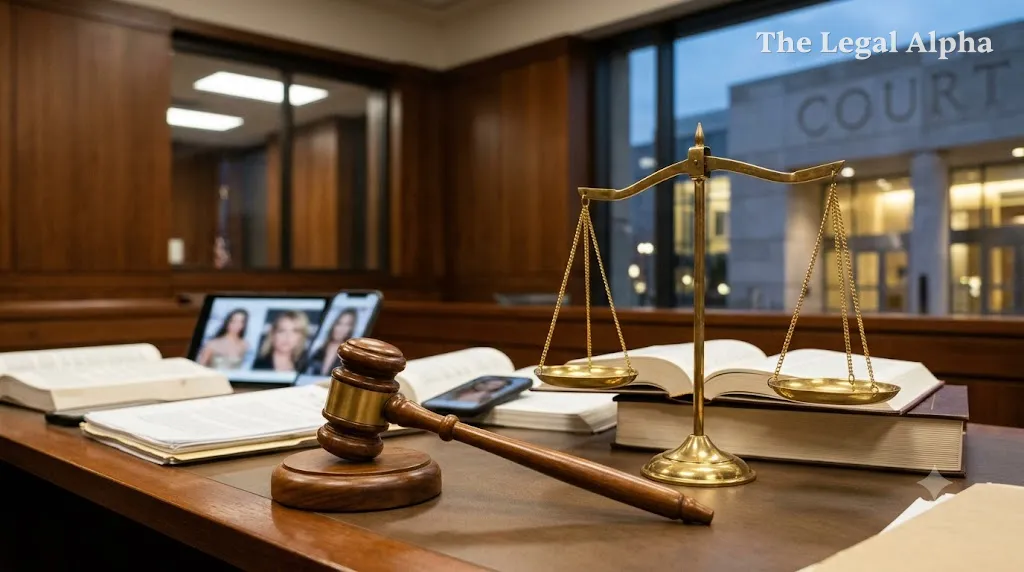
The Delhi High Court has formally decreed a commercial suit instituted by veteran actor Amitabh Bachchan, granting a permanent injunction that prohibits the unauthorised commercial use of his name, voice, image, likeness, and associated persona.
Bachchan approached the High Court in 2022 after multiple entities, digital operators, and anonymous online actors misappropriated his identity across commercial channels without consent. The unauthorised usage spanned video-calling mobile applications, quizbooks, merchandise, domain names, and fraudulent promotional schemes designed to mislead consumers into believing the actor endorsed them. Having granted an ex parte ad-interim injunction in November 2022, the High Court has now brought the litigation to a close by issuing a final decree against named defendants and anonymous entities alike.
Legal Topic
-
Area of Law: Intellectual Property Law / Commercial Torts
-
Sub-topic: Personality and Publicity Rights / Passing Off / Commercial Civil Procedure
Core Legal Issue
The core issue was whether a celebrity with significant public recognition possesses an exclusive common law right to control the commercial exploitation of their persona, and whether third parties can be permanently enjoined from using their attributes when such usage creates false associations and consumer deception.
The Court also dealt with the procedural question of whether a final decree can be passed without putting the plaintiff through formal ex parte trial evidence when the defaulting defendants fail to contest clear allegations of commercial misappropriation.
What Did the Court Decide?
Justice Purushaindra Kumar Kaurav decreed the suit in Bachchan's favour, permanently restraining the defendants, their agents, and unidentified third parties from commercially exploiting any facet of his persona without express consent.
-
Compromise Decree Against Settling Parties: The Court accepted formal settlements with four defendants who agreed to permanently withdraw infringing materials—including deleting an imitation video-call app, taking down an actor-themed quizbook, halting poster sales, and surrendering an infringing domain name.
-
Ex Parte Decree Against Defaulting Defendants: The Court invoked its summary powers under civil procedure rules against four defendants who failed to appear or file written statements despite being duly served.
-
Dispensing with Ex Parte Evidence: The Bench observed that requiring Bachchan to lead formal witness evidence against non-contesting parties would serve no purpose other than reiterating uncontroverted facts stated in the plaint.
-
Relief Against John Doe Entities: The decree was extended to unidentified online bad actors ("John Doe"), with the Court expressly granting Bachchan liberty to file fresh proceedings if new causes of action arise from emerging digital violations.
Key Legal Points
-
Exclusive Proprietary Interest: Publicity rights vest the right to control commercial exploitation of human identity solely in the individual concerned, preventing unjust enrichment by commercial freeloaders.
-
Severability of Compromise Agreements: Under Order XXIII Rule 3 of the CPC, courts can record and execute valid settlement agreements against willing co-defendants independently without halting relief against defaulting parties.
-
Summary Disposal Under Order VIII Rule 10: Where defendants neglect to submit a written defence and the facts reveal prima facie commercial passing off, courts can decree the suit without forcing unnecessary trials.
-
Dynamic Reach Against Cybersquatters: Broad permanent injunctive relief backed by John Doe orders remains a crucial judicial mechanism to neutralize anonymous online clones, apps, and domain squatters.
Relevant Law
-
The Code of Civil Procedure, 1908 (CPC): Order XXIII Rule 3 (Compromise of Suit); Order VIII Rule 10 (Procedure when party fails to present written statement); Order XXXIX Rules 1 & 2 (Injunctions)
-
The Specific Relief Act, 1963: Sections 38 and 39 (Perpetual Injunctions)
-
Common Law Torts: Tort of Passing Off and Misappropriation of Goodwill/Personality Rights
-
Judicial Precedent: Titan Industries Ltd. v. M/s Ramkumar Jewellers (2012) (laying down the dual-prong standard of identity validity and identifiability for commercial publicity rights)
Arguments of the Parties
The Plaintiff
Bachchan’s legal team contended that the actor holds immense goodwill and public recognition built over decades, making his name, image, and voice distinctly identifiable attributes. Counsel argued that unauthorized commercial adoption of these attributes on mobile apps, quizbooks, websites, and lottery campaigns amounted to misappropriation, deceived the general public into believing Bachchan endorsed the ventures, and caused irreparable harm to his hard-earned reputation.
The Defendants
Four of the defendants entered into amicable compromise talks, admitting the actor's proprietary personality rights, tendering formal undertakings to never exploit his attributes, and confirming the immediate deletion and surrender of infringing software, books, posters, and web domains. The remaining four defendants chose not to appear or file any written defence, leaving the plaintiff's factual assertions unchallenged.
Why Does It Matter?
This final judgment consolidates India's evolving jurisprudence on celebrity and personality rights in an increasingly fragmented digital ecosystem. While courts frequently grant interim injunctions in such disputes, seeing high-profile personality rights litigation advance to a complete, enforceable final decree sets a clear operational precedent for how courts handle diverse classes of infringers.
Procedurally, the ruling provides useful guidance on judicial efficiency. By decreeing the claims against non-appearing parties under Order VIII Rule 10 without demanding formal ex parte plaintiff evidence, the High Court cut through procedural delays that often deter litigants from taking commercial torts to their logical conclusion. It also illustrates how rights holders can blend settlements, summary decrees, and John Doe provisions to tackle modern cybersquatting and rogue app developers.
Legal Takeaway
Unauthorised commercial use of an individual’s identity, likeness, or voice constitutes actionable misappropriation and passing off under Indian law. Where infringement is demonstrated and defendants fail to file a written defence, courts can permanently enjoin the misuse directly without demanding repetitive trial evidence.
Sources
Primary Source:
-
Delhi High Court Order/Decree in Amitabh Bachchan v. Rajat Nagi & Ors. [CS(COMM)-819/2022, Neutral Citation: 2026:DHC:10033], presided over by Justice Purushaindra Kumar Kaurav.
Additional Sources:
-
LiveLaw, Bar & Bench, and The Times of India court proceedings coverage (November 2026).
-
Titan Industries Ltd. v. M/s Ramkumar Jewellers, 2012 SCC OnLine Del 2382.