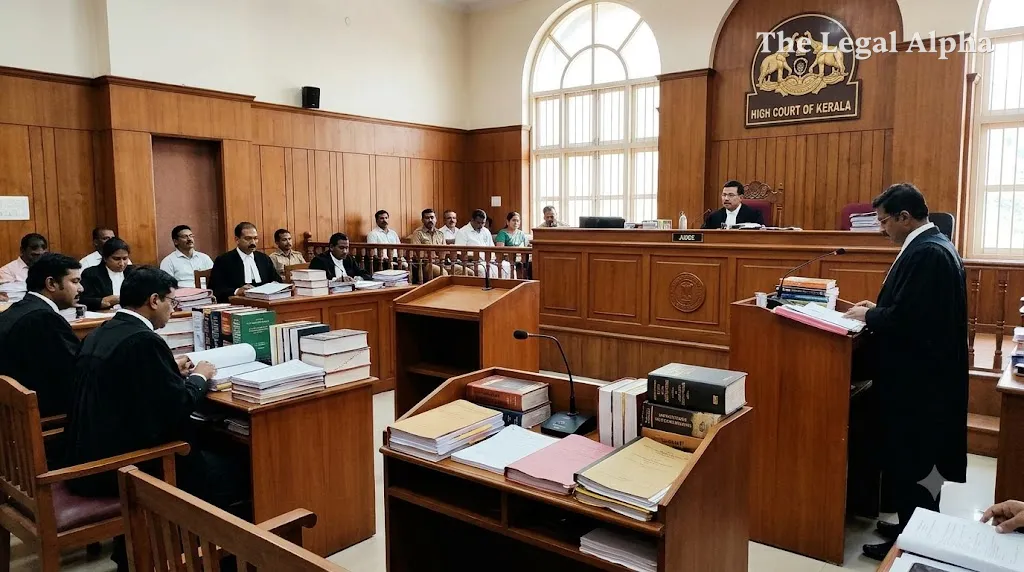
Pre-Trial Incarceration Must Not Become De Facto Sentence, Says Supreme Court

The Supreme Court of India granted bail to an accused individual who had spent an extensive period in judicial custody while trial proceedings showed little sign of reaching an early conclusion. Addressing the systemic delay in examining witnesses and completing proceedings, the bench observed that holding an undertrial in prison for years without a verdict infringes upon personal liberty and cannot be allowed to morph into summary punishment.
Legal Topic
Area of Law: Criminal Law / Constitutional Law
Sub-topic: Pre-trial Detention / Right to Speedy Trial / Bail Jurisprudence
Core Legal Issue
The court examined whether an undertrial can be detained indefinitely when the trial is delayed through no fault of their own, and whether protracted incarceration overrides statutory or discretionary restrictions on granting bail.
The core constitutional question centred on harmonising the state's interest in prosecuting offences with an accused person's fundamental right to a speedy trial under Article 21 of the Constitution.
What Did the Court Decide?
The Supreme Court allowed the appeal and directed the release of the appellant on bail, subject to terms and conditions fixed by the trial court.
The bench observed that keeping an accused behind bars for years without a foreseeable conclusion to the trial violates constitutional safeguards. The court clarified that bail does not equate to an acquittal; rather, it ensures that custody pending determination of guilt remains proportionate and does not operate as punitive detention before guilt is formally established.
Key Legal Points
-
Pre-trial custody is strictly intended to secure the presence of the accused and protect the integrity of the trial, not to serve as premature punishment.
-
Prolonged detention coupled with a slow pace of trial constitutes a direct violation of the right to a speedy trial guaranteed under Article 21.
-
Where dozens of prosecution witnesses remain unexamined and proceedings are likely to take years, continued incarceration cannot be justified solely on the gravity of the allegations.
-
Courts must balance the severity of the alleged offence against the actual period already served in custody by the undertrial.
Relevant Law
-
Constitution of India: Article 21 (Protection of life and personal liberty, including the right to a speedy trial).
-
Code of Criminal Procedure, 1973 (CrPC) / Bharatiya Nagarik Suraksha Sanhita, 2023 (BNSS): Provisions governing bail and bonds.
-
Judicial Precedents: Established Supreme Court jurisprudence affirming that bail is the rule and jail is the exception, particularly in instances of unreasonable trial delays.
Arguments of the Parties
Appellant
Counsel for the appellant argued that continued custody served no legitimate investigative purpose since the investigation was complete and the charge sheet was already filed. It was submitted that holding the accused indefinitely when the prosecution had examined only a fraction of its witnesses amounted to punishment before conviction.
Respondent / State
The State contended that the allegations against the accused were serious and that granting bail risked tampering with evidence or influencing key witnesses. The prosecution maintained that the gravity of the crime justified continued custody until material witnesses were examined.
Why Does It Matter?
This ruling reinforces a vital safeguard against procedural inertia in India's criminal justice system, where undertrials frequently spend substantial portions of potential sentences in custody before guilt is decided. By reiterating that delay in proceedings tilts the balance back in favour of liberty, the decision offers clear guidance to subordinate courts and High Courts to actively factor trial delays and docket congestion into bail determinations.
Legal Takeaway
Extended pre-trial detention cannot be justified by serious allegations alone when trial conclusion is nowhere in sight. When proceedings are unduly delayed without fault attributable to the accused, the constitutional right to a speedy trial under Article 21 supersedes procedural inertia, making bail the appropriate remedy.
Sources
Primary Source:
Supreme Court of India Order/Judgment on Undertrial Incarceration and Right to Speedy Trial.
Additional Sources:
Supreme Court Caselaw Records on Bail Jurisprudence and Constitutional Liberty under Article 21.