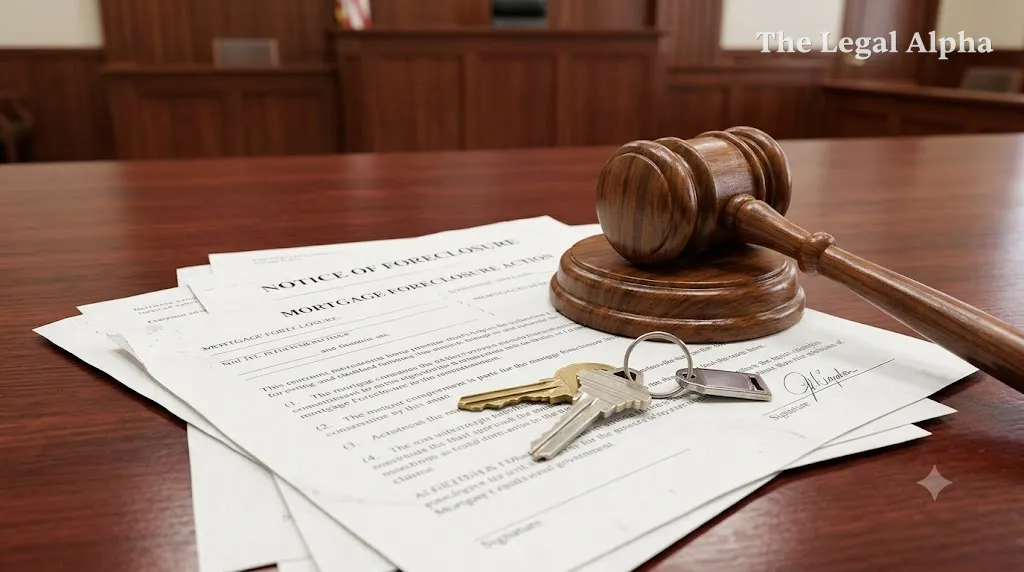
Policyholder Litigation Barred After Missing Contractual Deadline: Fifth Circuit Backs Insurer in Winter Storm Dispute
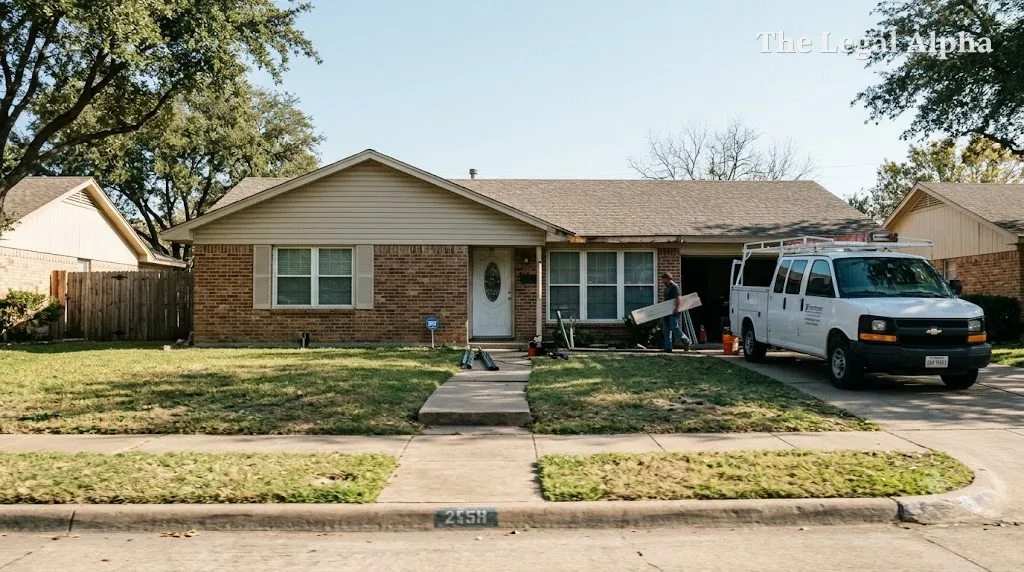
The United States Court of Appeals for the Fifth Circuit affirmed the dismissal of a property damage lawsuit brought by Dallas homeowners seeking $58,150 in supplemental repairs from State Farm Lloyds. The dispute arose after the catastrophic Texas winter storm of February 2021 caused frozen pipes in an adjacent property to burst, causing water intrusion that damaged the flooring of their Dallas home.
Following an inspection, State Farm made an initial payment of $4,261 to the policyholders on March 12, 2021. However, when the homeowners later demanded an additional $58,150 to address extensive floor repairs, a disagreement ensued, culminating in civil litigation against the insurer. The federal district court dismissed the suit, holding that the claims were filed outside the applicable contractual time limit. On October 22, 2026, a three-judge panel of the Fifth Circuit affirmed that ruling, holding that the claims had legally expired.
Legal Topic
-
Area of Law: Insurance Law / Civil Procedure
-
Sub-topic: Contractual Limitation Periods and Claim Accrual
Core Legal Issue
The central question before the appellate court was when an insurance claim accrues under Texas law, and whether an insurer’s routine post-decision correspondence inviting additional documentation or repair receipts tolls or resets the contractual limitation period.
The court had to determine whether State Farm's March 2021 payment constituted an actionable claim decision that started the limitation clock, and whether subsequent communications regarding repair receipts permitted the homeowners to bypass the contractual limitation deadline under theories of statutory bad faith or misrepresentation.
What Did the Court / Authority Decide?
The Fifth Circuit affirmed the lower court’s summary dismissal in favor of State Farm:
-
The panel held that the homeowners' claims under both the insurance contract and the Texas Insurance Code were time-barred.
-
The court confirmed that under Texas law, parties to an insurance policy may validly agree to shorten the statutory limitation period to two years, measuring from the date the cause of action accrues.
-
The judges ruled that the claim accrued on March 12, 2021, the date State Farm rendered and issued its initial claim determination payment.
-
The court dismissed the homeowners’ extra-contractual and bad-faith claims, confirming that general invitations to submit supplemental documentation do not extend, restart, or toll the running clock in the absence of an explicit waiver executed prior to the expiration of the deadline.
Key Legal Points
-
Strict Enforcement of Agreed Limitations: Texas law permits contracting parties to shorten the limitation period for filing suit to a minimum of two years from accrual, and such policy provisions are enforceable as written.
-
No Formal Legal Jargon Required for Accrual: A coverage determination or claim accrual does not require an insurer to use explicit or ritualistic phrases such as "final denial". An insurer’s unambiguous payment or partial denial makes its position sufficiently clear to start the contractual clock.
-
Supplemental Receipt Requests Do Not Toll: Post-decision communications—such as standard language informing an insured that they may submit further repair receipts—do not waive the limitation defense, nor do they reset the deadline unless an express waiver is entered into before the period lapses.
-
Alignment of Bad-Faith Claims: Extra-contractual statutory claims, including allegations of unfair settlement practices or breach of the duty of good faith and fair dealing, are similarly bounded by the two-year limitation period and cannot be deployed to circumvent the contractual bar.
Relevant Law
-
Texas Civil Practice and Remedies Code § 16.070: Governs contractual stipulations that limit the time to file suit, providing that contractual limitation periods cannot be shortened to less than two years.
-
Texas Insurance Code: Relevant provisions concerning insurer prompt-payment and claims handling duties, as well as the statutory two-year limitation period governing deceptive acts, unfair claim settlement practices, and breaches of good faith and fair dealing.
Arguments of the Parties
The Homeowners (Appellants):
The policyholders argued that State Farm failed to conduct a proper and comprehensive investigation into the true scope of the water damage when it made the original 2021 payment. They further submitted that the insurer misled them by inviting the submission of ongoing receipts and repair estimates, contending that these ongoing discussions indicated the claim process remained open, thereby extending the deadline to initiate litigation.
State Farm Lloyds (Appellee):
The insurer argued that it clearly communicated its coverage position on March 12, 2021, when it calculated and paid the covered amount. State Farm contended that under the explicit terms of the policy and Texas law, the homeowners were bound to file any legal action within two years of that accrual date. It submitted that standard administrative courtesy letters inviting supplemental estimates did not constitute an intentional waiver of the agreed deadline.
Why Does It Matter?
This decision provides a clear reminder to property owners, public adjusters, and policyholder attorneys regarding the strict enforcement of limitation provisions in property policies. In jurisdictions where insurers contractually limit legal action to two years, insured parties often mistakenly assume that active dialogue or submitting supplemental repair estimates keeps the limitation period paused.
The Fifth Circuit’s position underscores that informal negotiations, supplement submissions, or administrative courtesy letters do not preserve judicial rights. Policyholders cannot rely on continuing claim discussions to forestall statutory or contractual cut-offs; absent an executed, formal standstill or waiver agreement, litigation must be initiated within the two-year window.
Legal Takeaway
In Texas and under similar contractual frameworks, an insurer's initial payment or coverage determination triggers the limitation clock even if the scope of loss remains disputed. Courtesy invitations to submit additional receipts will not toll the deadline, and policyholders must file suit before the agreed time limit expires or secure a formal waiver.
Sources
Primary Source:
-
Memorandum Opinion and Order, United States Court of Appeals for the Fifth Circuit (Decided October 22, 2026).
Additional Sources:
-
Texas Civil Practice and Remedies Code § 16.070 (Contractual Limitations Provisions).
-
Secondary reportage and docket review of Fifth Circuit insurance coverage determinations (October 2026).