Opposition Bloc Moves Supreme Court Against CEC Gyanesh Kumar Over Electoral Roll Revisions; Registry Flags Procedural Defects
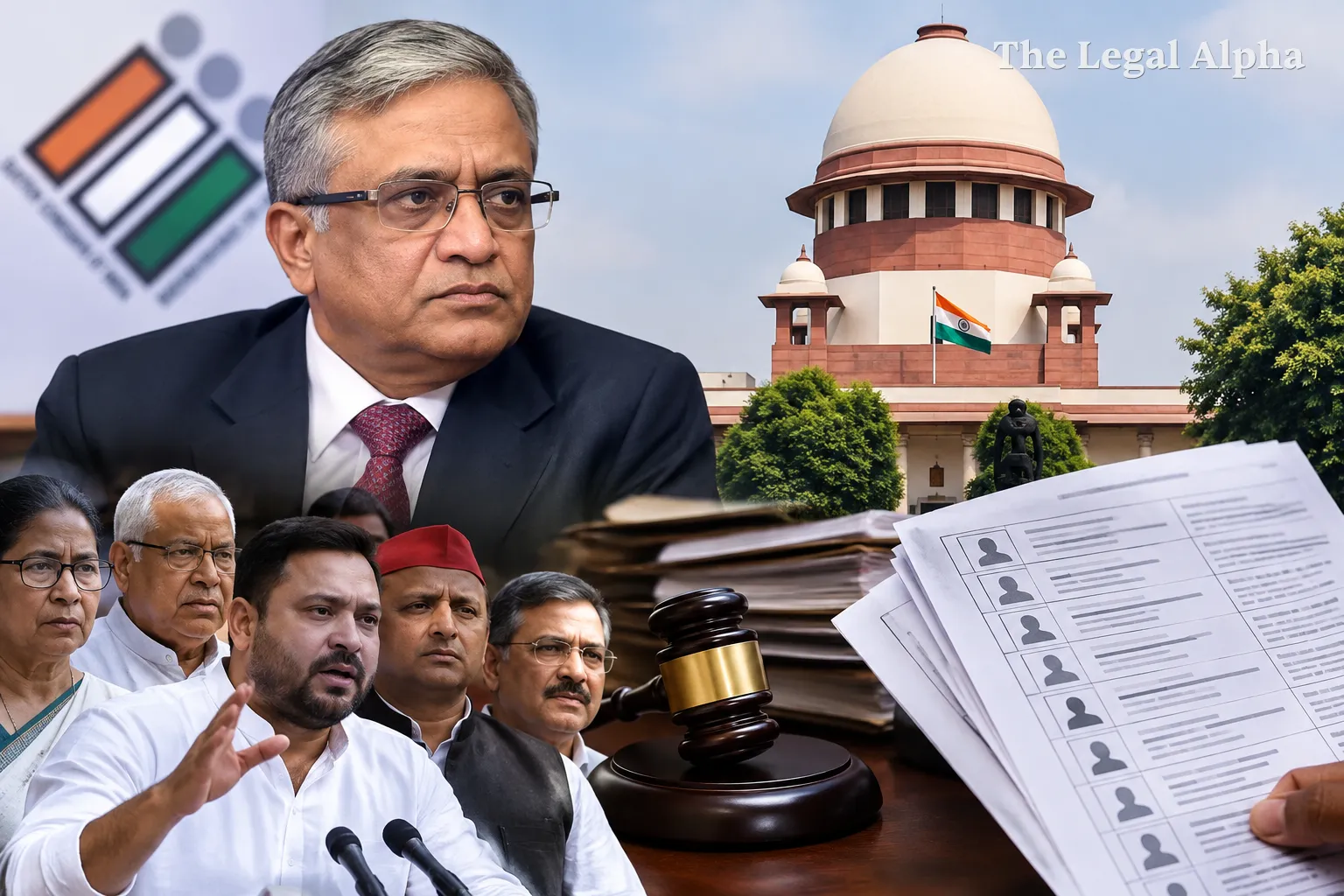
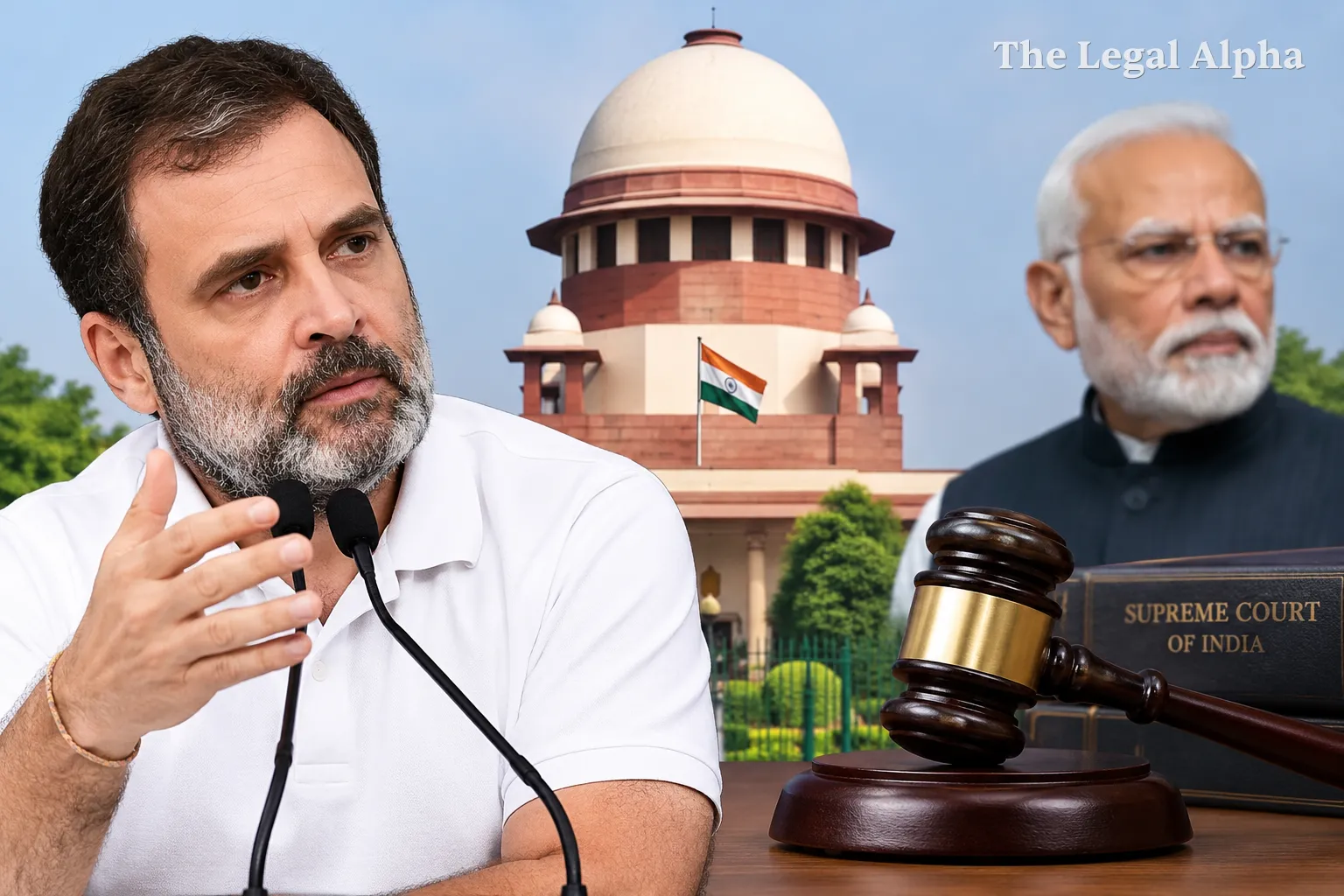
Leaders of the multi-party Opposition INDIA bloc, led by Lok Sabha Leader of Opposition Rahul Gandhi and Rajya Sabha Leader of Opposition Mallikarjun Kharge, have approached the Supreme Court challenging administrative decisions taken by Chief Election Commissioner Gyanesh Kumar regarding the nationwide Special Intensive Revision (SIR) of electoral rolls. Filed through advocate S. Prasanna, the writ petition alleges unilateral decision-making within the Election Commission of India (ECI) that led to large-scale, arbitrary voter exclusions.
The filing followed an opposition protest march in the national capital and a written response from Chief Justice of India Surya Kant, who declined a direct administrative meeting with the political leaders but indicated that any grievances must be pursued through formal judicial proceedings. Prior to judicial listing, the Supreme Court Registry placed the petition under preliminary scrutiny, notifying the petitioners' legal team of multiple procedural defects—including missing vakalatnamas, unclear identity documentation, and short court fees—which must be cured before the matter can be scheduled for a preliminary hearing.
Legal Topic
-
Area of Law: Constitutional and Election Law
-
Sub-topic: Institutional Functioning of the Election Commission / Electoral Roll Integrity and Judicial Review
Core Legal Issue
The petition raises fundamental questions concerning the multi-member character of the Election Commission under Article 324 of the Constitution and whether administrative decisions regarding nationwide voter revisions can be exercised unilaterally without collegial deliberation.
It further questions whether mass deletions of voter names through summary processes under the Registration of Electors Rules violate natural justice and constitutional guarantees under Article 14, Article 19, and Article 326.
What Did the Court / Authority Decide?
The Supreme Court has not yet rendered a judicial order or considered the substantive merits of the plea. At this preliminary stage, the Registry has issued procedural objections regarding the memo of parties and documentation:
-
The Registry flagged over ten technical defects, pointing out unexecuted vakalatnamas for several co-petitioners, an illegible identification card copy, minor court-fee deficits, and documentation format issues.
-
The Registry also raised queries regarding the impleadment of the Chief Election Commissioner and individual Election Commissioners by name in their personal capacities alongside the Commission.
-
Substantive hearing dates will be determined only after the petitioners refile the rectified petition in compliance with the Supreme Court Rules.
Key Legal Points
-
Institutional Multi-Member Balance: The petition challenges individualised executive action within a composite constitutional authority, asserting that vital electoral mandates must be collegially determined by the full Commission.
-
Due Process in Voter Deregistration: The plea contends that large-scale voter roll adjustments and deletions via automated systems or Form 7 objections cannot bypass statutory requirements of prior notice and reasonable opportunity of being heard.
-
Demand for Independent Judicial Oversight: The petitioners have prayed for an independent committee headed by a retired Supreme Court judge to conduct a time-bound forensic and database audit of recent electoral roll deletions.
-
Registry Compliance Mandate: Under the Supreme Court Rules, defective filings cannot be listed for urgent ad-interim relief until all procedural requisites, proper authorizations, and party impleadments are placed in order.
Relevant Law
-
Constitution of India: Article 324 (Superintendence, direction, and control of elections), Article 326 (Elections to the House of the People and Legislative Assemblies on the basis of adult suffrage), and Article 14 (Equality before law).
-
Representation of the People Act, 1950: Provisions governing the preparation and revision of electoral rolls.
-
Registration of Electors Rules, 1960: Statutory mechanisms governing objections (Form 7), claims, inquiries, and deletions.
-
Supreme Court Rules, 2013: Procedural mandates regulating writ petitions, party impleadments, vakalatnama verifications, and scrutiny of defects.
Arguments of the Parties
Petitioners
The leaders argued that the initiation and execution of the Special Intensive Revision were conducted through unilateral instructions, departing from established collegiate norms within the ECI. They submitted that millions of eligible citizens risk arbitrary disenfranchisement ahead of upcoming legislative assembly elections without sufficient procedural safeguards, individual notices, or accessible restoration avenues. Consequently, they seek complete disclosure of internal Commission decision files and an independent technical audit of database modifications.
Opposing Stance / Authority Position
While the Commission has not yet filed a formal reply in this pending matter, the ECI's standing institutional position maintains that electoral roll revision is a continuous statutory obligation conducted strictly within the framework of election laws to eliminate duplicates, deceased entries, and shifted electors. The administrative stance emphasizes that any deletion is governed by defined appellate remedies under the Representation of the People Act, and the validity of the Special Intensive Revision has previously stood judicial muster.
Why Does It Matter?
This litigation brings into sharp focus the constitutional framework of internal checks and balances governing India's top electoral watchdog. Rather than focusing purely on localized discrepancies, the petition directly questions whether internal administrative protocols within a multi-member constitutional body can be reviewed under Article 32.
The eventual outcome may clarify the boundaries of judicial intervention during ongoing roll preparation, define evidentiary thresholds required to order external audits of institutional databases, and settle the standard of procedural due process that local election registration officers must accord every voter before deletion.
Legal Takeaway
A petition alleging systemic constitutional defects against an institution must itself fulfill rigorous procedural standards under court rules before its merits can be evaluated. Substantively, the matter will test whether courts can impose independent external oversight over the internal collegiate governance of the Election Commission.
Sources
Primary Source:
-
Official Filing & Scrutiny Process, Supreme Court of India, Rahul Gandhi & Ors. v. Election Commission of India & Ors. (Writ Petition filed October 2026).
Additional Sources:
-
Written Communication of the Chief Justice of India dated October 11, 2026, in response to joint political representations.
-
Registry Scrutiny Reports and case tracking updates, Supreme Court of India.