Non-Handover of Rehabilitation Tenements at Royal Palms Triggers Criminal Action Under Slum Act
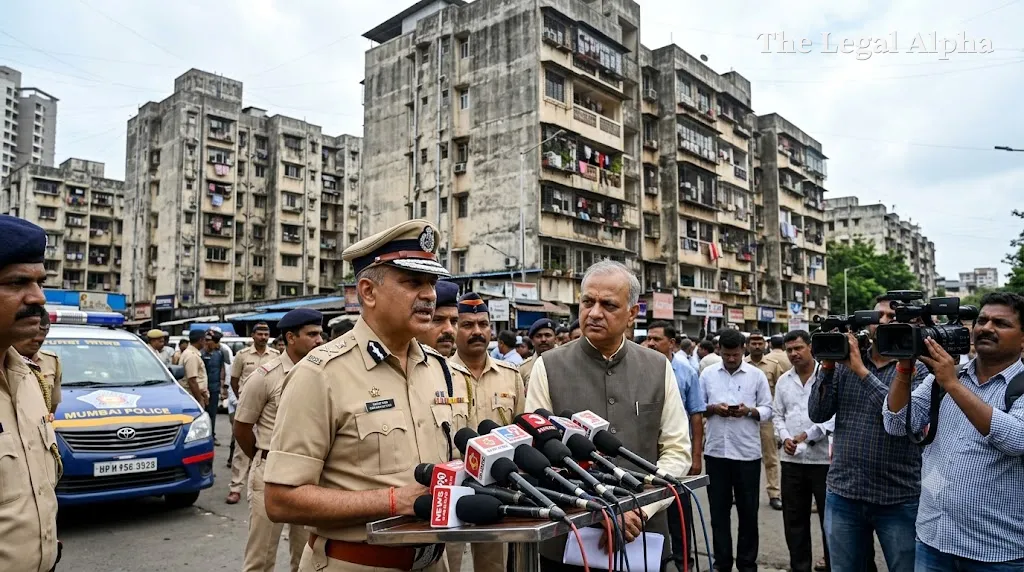
Mumbai Police have registered a First Information Report against the developers of the Royal Palms estate in Goregaon’s Aarey Colony. The penal action stems from allegations that the builder failed to deliver hundreds of mandated rehabilitation homes to the Slum Rehabilitation Authority, leaving Project Affected Persons displaced despite decades of scheme pendency.
The regulatory scrutiny follows inquiries initiated after administrative reviews highlighted that tenements specifically designated for eligible rehabilitees were diverted and sold on the open market or allocated to non-eligible occupants without statutory clearance or municipal occupancy certification.
Legal Topic
Area of Law: Real Estate and Slum Rehabilitation Law
Sub-topic: Developer Default, Statutory Tenement Diversion, and Criminal Non-Compliance
Core Legal Issue
The fundamental legal question concerns whether a private developer entrusted with a Slum Rehabilitation Scheme commits cognizable criminal offences—including cheating and criminal breach of trust—alongside administrative statutory violations when it breaches rehabilitation covenants, fails to hand over designated Project Affected Persons housing stock to the statutory authority, and commercializes uncertified tenements.
The development highlights the legal threshold between civil contract delay and actionable statutory misconduct under state slum development frameworks when obligations owed to marginalized beneficiaries are circumvented for commercial gain.
What Did the Court / Authority Decide?
While judicial proceedings will follow formal police investigations, the Slum Rehabilitation Authority and law enforcement have initiated dual-track enforcement:
-
Mumbai Police lodged a criminal complaint to investigate illegal sales, unauthorized occupation, and breach of statutory developer conditions.
-
The competent statutory housing authorities moved forward with regulatory sanctions under the governing slum rehabilitation framework, initiating proceedings to terminate recalcitrant developer mandates and substitute them under statutory default clauses.
-
Direct operational directions have been issued to identify ineligible occupiers and regularize genuine Project Affected Persons awaiting formal allotment.
Key Legal Points
-
Public Trust and Slum Redevelopment: Rights granted to private developers to construct commercial or free-sale components are conditional on strict compliance with the rehabilitation component; failure to hand over welfare housing undermines the statutory consideration.
-
Unauthorized Possession Without Occupancy Certification: Selling or occupying buildings prior to the issuance of mandatory completion certificates breaches civic building regulations and municipal governance mandates.
-
Statutory Removal Powers: Redevelopment authorities hold express powers under state legislation to strip defaulting builders of development rights where prolonged, unjustified project abandonment occurs.
-
Criminal Liability in Land Re-schemes: Diversion of public housing units meant for displaced citizens into open-market sales transcends contractual defaults, attracting penal provisions for fraud and misappropriation.
Relevant Law
-
Maharashtra Slum Areas (Improvement, Clearance and Redevelopment) Act, 1971: Specifically Section 13(2), empowering the competent authority to remove defaulting developers who fail to execute rehabilitation schemes within stipulated timelines.
-
Indian Penal Code / Bharatiya Nyaya Sanhita: Provisions relating to cheating, criminal breach of trust, and fraud regarding the diversion and unauthorized sale of statutory tenements.
-
Mumbai Municipal Corporation Act, 1888 / Development Control Regulations: Provisions regulating building permissions, mandatory completion records, and valid Occupancy Certificates.
Arguments of the Parties
Slum Rehabilitation Authority & Complainants
The regulatory bodies and affected beneficiaries contend that the developer systematically breached statutory obligations by stalling the completion of mandatory rehabilitation blocks. Authorities maintain that designated tenements intended for displaced citizens were illegally alienated to ineligible third parties without statutory sanction or municipal occupancy certificates, amounting to fraudulent enrichment at the cost of the public exchequer and welfare beneficiaries.
Developer / Entity
While formal defenses will be presented in subsequent legal proceedings, builders in similar rehabilitation defaults typically submit that project delays stem from protracted administrative approvals, contested beneficiary eligibility lists, and regulatory ambiguities. Defense postures often assert that disputes over tenancy lists fall within civil or administrative appellate jurisdiction rather than criminal proceedings.
Why Does It Matter?
This enforcement action signals an increasingly aggressive posture by urban housing authorities against developer entrenchment in protracted slum rehabilitation schemes. In metropolitan hubs where commercial real estate routinely cross-subsidizes rehabilitation projects, private developers have historically exploited prolonged litigation and lax enforcement while monetizing commercial quotas.
By pairing administrative cancellation of development rights with criminal First Information Reports, enforcement bodies are setting a precedent that procedural delays coupled with tenement diversion will be treated as systemic fraud rather than simple commercial failure. This provides clear regulatory guidance that developer substitution clauses will be actively enforced to safeguard beneficiary rights.
Legal Takeaway
Statutory rehabilitation concessions granted to private developers are strictly contingent upon the actual handover of verified housing units to eligible beneficiaries. Prolonged failure to deliver tenements, compounded by unauthorized alienation of property, strips developers of statutory protection and invites both corporate ouster and criminal prosecution.
Sources
Primary Source:
-
Enforcement records, Complaint files, and Statutory Proceedings under Section 13(2) of the Maharashtra Slum Areas (Improvement, Clearance and Redevelopment) Act, 1971, Slum Rehabilitation Authority (Mumbai).
Additional Sources:
-
Mumbai Police Registration Filings and Civic Department Communications, Brihanmumbai Municipal Corporation.
-
Statutory Housing and Urban Development Directives, Housing Department, Government of Maharashtra.