Mass Detentions and Transit Shutdowns in the Capital: Civil Rights Groups Challenge Police Action Over Anti-Election Commission Protests
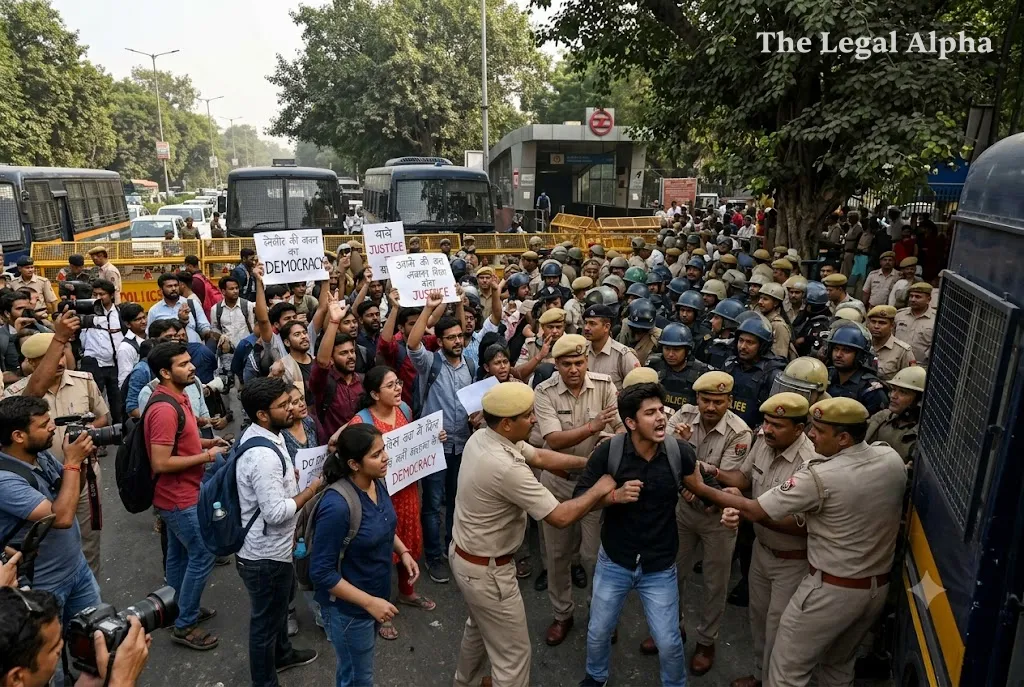
Activism groups and student bodies in New Delhi—including the Cockroach Janta Party (CJP) and the All India Students’ Association (AISA)—addressed a press conference alleging severe state-led restrictions, prolonged detentions, and the rough handling of demonstrators and journalists. The demonstrations, which have persisted over the past fortnight, target Chief Election Commissioner Gyanesh Kumar over broader electoral integrity concerns.
Civil society representatives stated that law enforcement agencies used excessive preventive detentions against student leaders and prominent opposition figures, while simultaneously enforcing transit disruptions, including the closure of metro stations and train services. Activists also alleged physical harassment and temporary detention of working journalists covering the demonstrations. The issue has taken on constitutional significance as questions emerge over whether sweeping transit suspensions and blanket preventive actions remain proportionate to maintaining public order.
Legal Topic
-
Area of Law: Constitutional Law & Administrative Law
-
Sub-topic: Fundamental Freedoms / Preventative Detention and Public Order
Core Legal Issue
The primary legal controversy centers on the constitutionality and proportionality of administrative curbs deployed by law enforcement under the guise of public order maintenance.
At issue is whether sweeping transit shutdowns, the deployment of out-of-state security forces, and the wide-scale preventive custody of political figures, student demonstrators, and members of the press breach protected fundamental rights under Articles 19 and 21 of the Constitution of India. The dispute tests whether executive measures satisfy the four-pronged doctrine of proportionality—specifically legitimate aim, suitability, necessity, and balancing of rights.
What Did the Court / Authority Decide?
The immediate developments arise from administrative and police measures rather than a final judicial verdict.
-
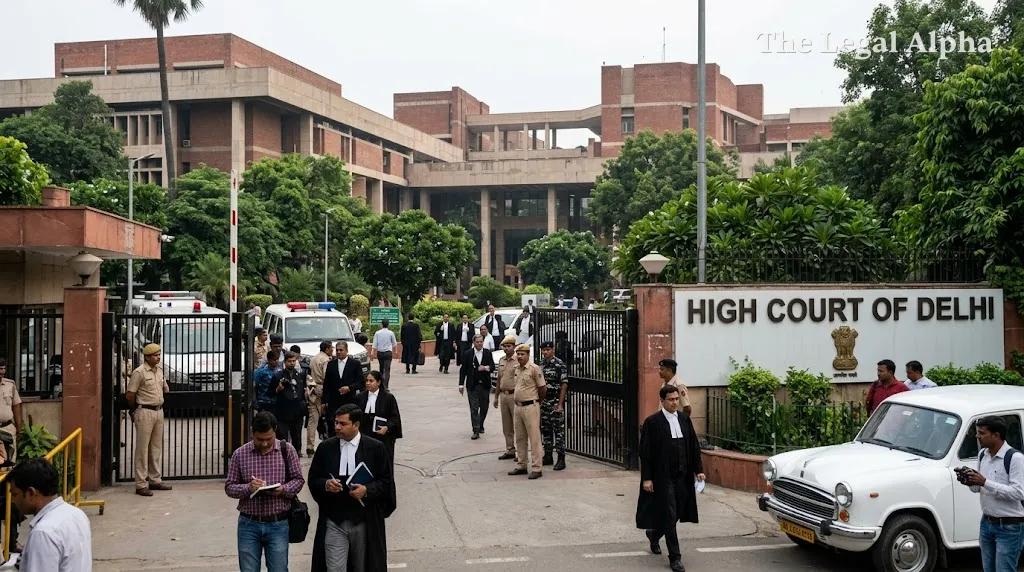
Police Actions: Delhi Police and security personnel enforced section-based assembly bans, barred demonstrations around key zones including Jantar Mantar, and effected mass administrative detentions of demonstrators and political leaders.
-
Transit Regimes: Administrative instructions directed state authorities to coordinate preventive intelligence while regulating urban transit. Guidance maintained that blanket, complete prohibitions on essential metro transit systems should be avoided in favor of proportionate crowd regulation.
-
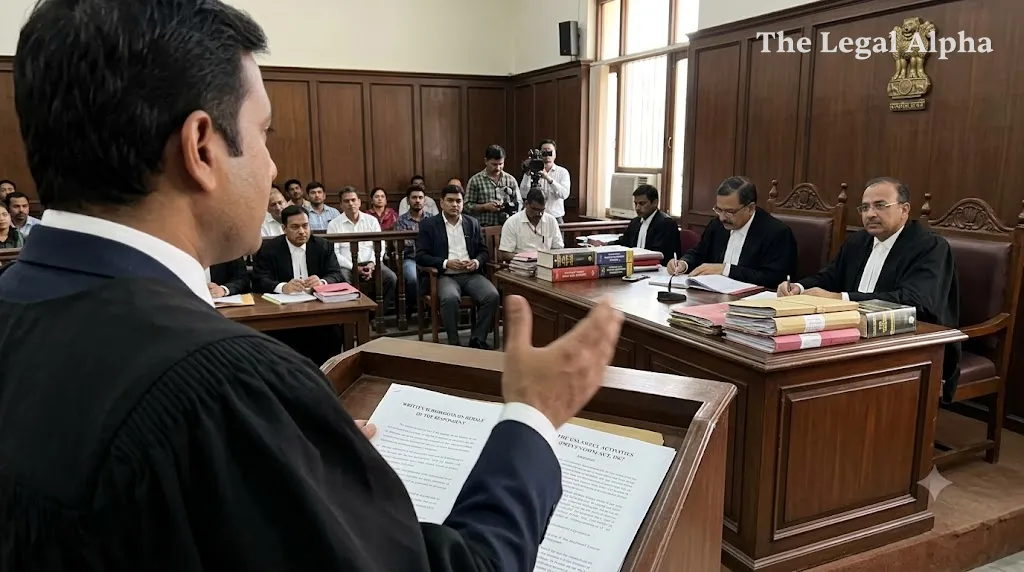
Next Steps: Demonstrators have announced upcoming civil gatherings at Connaught Place's Central Park, while legal challenges reviewing the propriety of the state's policing methods and detentions remain active before appellate benches.
Key Legal Points
-
Doctrine of Proportionality: State machinery imposing restrictions on movement and assembly must demonstrate that the least intrusive means were chosen to avert genuine breaches of peace.
-
Freedom of Peaceful Assembly: The right to assemble without arms under Article 19(1)(b) cannot be rendered illusory through indefinite administrative bans or excessive preventive arrests without individualised threat assessments.
-
Protection of Freedom of the Press: Detaining journalists or restricting photographic equipment engages Article 19(1)(a), requiring that media access during public demonstrations receive explicit procedural safeguards.
-
Statutory Limits of Preventative Restraints: Preventive detention under criminal procedure provisions requires objective satisfaction of an impending cognizable offense, rather than functioning as a tool for political containment.
Relevant Law
-
Article 19(1)(a) & (b), Constitution of India: Guarantees the freedom of speech, expression, and peaceful assembly without arms, subject to reasonable restrictions under Articles 19(2) and 19(3).
-
Article 21, Constitution of India: Safeguards personal liberty and due process against arbitrary administrative detention.
-
Sections 144 / 151, Code of Criminal Procedure, 1973 (and parallel provisions under Bharatiya Nagarik Suraksha Sanhita, 2023): Regulates preventive police arrests and emergency prohibitions against unlawful assemblies.
-
Anuradha Bhasin v. Union of India (2020) & Mazdoor Kisan Shakti Sangathan v. Union of India (2018): Supreme Court precedents establishing that public assemblies at designated demonstration sites cannot be subjected to perpetual administrative vetoes and that transit or communications bans must strictly adhere to the proportionality test.
Arguments of the Parties
Activists and Opposition Leaders
-
Protesting groups submitted that the state implemented an unannounced administrative lockdown, deploying disproportionate security personnel and suspending vital public transit infrastructure merely to shield a public official from peaceful scrutiny.
-
They contended that dragging unarmed student activists, detaining elected leaders, and intimidating press reporters violated fundamental rights under Articles 19 and 21.
State and Law Enforcement Authorities
-
Law enforcement agencies maintained that preventive actions and barricading were necessary to maintain public order, avoid commuter gridlock, and prevent the unlawful breach of high-security administrative zones.
-
Authorities asserted that regulatory transit adjustments were measured interventions to forestall unlawful congregational escalation rather than a blanket suppression of speech.
Why Does It Matter?
This development highlights the recurring administrative tension between preserving urban public order and accommodating visible political dissent. When state authorities invoke large-scale preventative curbs—such as closing public transit corridors and detaining high-profile leaders before protests materialize—it sets a far-reaching precedent for how civil demonstrations are regulated in metropolitan centers.
For legal practitioners and civil society, the situation reinforces the scrutiny applied to police discretion during demonstrations. It underscores that executive measures affecting thousands of ordinary commuters and peaceful marchers must continuously meet judicial benchmarks for proportionality, procedural fairness, and non-arbitrariness.
Legal Takeaway
Administrative authorities must balance the preservation of public order against the constitutional right to peaceful demonstration and movement. Blanket transit closures and mass preventive detentions are legally vulnerable if they fail to show strict necessity and proportional justification.
Sources
-
Primary Source: Official Statements and Press Briefings by Delhi Police and Civil Society Coalitions (October 2026); Supreme Court of India precedents on preventive policing (Mazdoor Kisan Shakti Sangathan, 2018).
-
Additional Sources: ANI News Briefings and Regional Media Reports on Delhi Demonstrations and Regulatory Measures (October 10–15, 2026).